

Best Petrol Engine Oils for Direct Injection Engines in Canada 2026
Petrol engine oils for direct injection engines are specially formulated to address the unique challenges of modern gasoline direct injection (GDI) and turbocharged GDI powertrains. These oils emphasize strong detergency to limit carbon and varnish buildup on intake valves and injectors, low volatility to reduce oil consumption, and additive chemistries designed to lower the risk of low-speed pre-ignition (LSPI). In Canada, drivers prioritize full synthetic formulations that perform across a wide range of temperatures, meet current API SP and ILSAC GF-6 specifications, and carry relevant OEM approvals. Consumer preferences also favor oils that deliver longer drain intervals, improved fuel economy, and compatibility with turbochargers and emission control systems, making these products especially appealing in urban and mixed driving conditions common across Canadian provinces.
Inception's AI took the time to understand this market in Canada · · How we pickWe may earn a commission on purchases. It never affects our rankings.
Top Picks Summary
Castrol EDGE Advanced Full Synthetic Motor Oil
Castrol EDGE 5W-30 Advanced Full Synthetic is positioned as a top choice for petrol direct-injection engines because its Titanium‑strengthened formulation helps resist deposit formation and maintain film strength under the high pressures typical of DI and turbocharged applications. Compared with lower-viscosity options like Mobil 1 ESP 0W‑30 it offers a balanced mix of shear stability and protection, while broad OEM approvals and competitive street pricing make it a versatile premium option for owners wanting reliable protection without consistently paying top-tier premiums.

Estimated$45 – $65
Mobil 1 ESP 0W-30
Mobil 1 ESP 0W‑30 targets direct-injection petrol engines that also demand excellent cold-start flow and emission-system compatibility, using a very low-viscosity formulation to improve immediate lubrication and fuel economy. Versus heavier 5W‑30 synthetics such as Castrol EDGE or Pennzoil Platinum, it trades slightly higher long-term film thickness for measurable MPG advantages and low-SAPS chemistry that helps protect catalysts and particulate filters, making it attractive for drivers focused on fuel savings and emissions-sensitive systems.

Estimated$80 – $110
Pennzoil Platinum Full Synthetic Motor Oil
Pennzoil Platinum Full Synthetic 5W‑30, built on Pennzoil’s PurePlus gas-to-liquid base, emphasizes piston cleanliness and consistent protection—key for preventing carbon buildup in direct-injection engines. It frequently matches or exceeds the protection offered by mainstream synthetics like Valvoline while often being competitively priced against other premium brands, delivering a technical cleanliness advantage that can lower long-term maintenance costs for DI engines.

Estimated$40 – $60
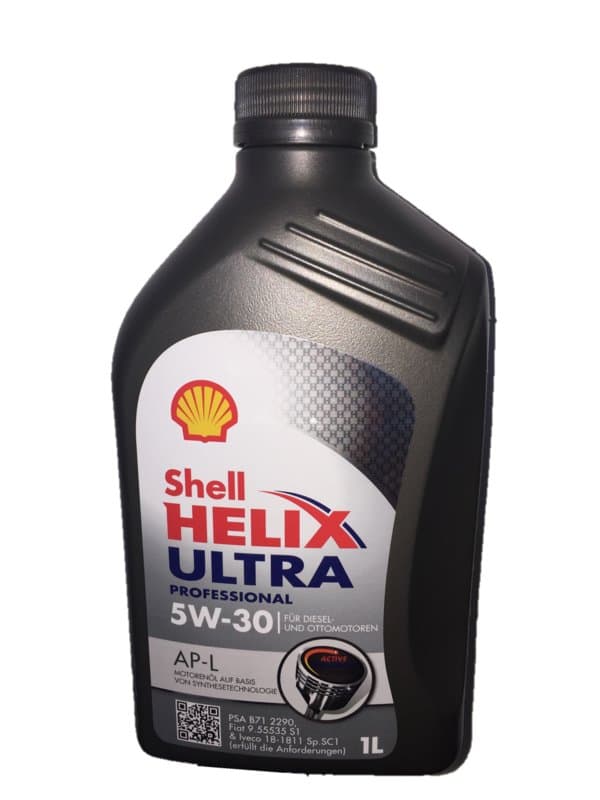
Shell Helix Ultra Professional 5W-30
Shell Helix Ultra Professional 5W‑30 leverages Shell’s PurePlus gas-to-liquid base and a tuned additive system to keep direct-injection petrol engines clean while offering strong thermal stability and turbocharger protection for extended drains. It competes closely with Pennzoil and Castrol on engine cleanliness and stability but typically carries a premium justified by extensive OEM approvals and professional-channel availability, appealing to buyers who prioritize official spec coverage and long-term cleanliness.
Estimated$65 – $95
What research and standards say
Industry research, laboratory test programs, and updated standards such as API SP and ILSAC GF-6 have driven advances in oils for direct injection engines. These studies and test suites focus on detergency, piston and injector cleanliness, control of oil volatility, and the ability of formulations to reduce or prevent LSPI events. While individual test protocols vary, consistent outcomes show that modern full synthetic oils with targeted additive packages reduce deposit formation and provide better protection under the higher pressures and temperatures found in direct injection turbocharged engines.
API SP and ILSAC GF-6 include tests addressing LSPI susceptibility and volatility. Oils meeting these specs are formulated to mitigate LSPI risks.
Independent lab bench tests and engine dynamometer studies demonstrate that high-detergency formulations keep intake ports, valves, and injectors cleaner, which helps preserve fuel economy and throttle response.
Low volatility base stocks and optimized additive blends reduce oil consumption and limit the formation of sticky deposits that cause intake valve carbon buildup.
Field data from fleet and long-term ownership studies indicate that selecting an oil with the correct viscosity and OEM approvals reduces maintenance needs and helps maintain emission system performance.
Conclusion
In Canada for 2026, the leading options for petrol direct injection engines include Castrol EDGE 5W-30 Advanced Full Synthetic, Mobil 1 ESP 0W-30, Pennzoil Platinum Full Synthetic 5W-30, Valvoline Modern Engine Full Synthetic 5W-30, and Shell Helix Ultra Professional 5W-30. Each of these delivers detergency and thermal stability suited to modern GDI and turbocharged engines; for an all-around balance of deposit control, high-temperature strength, and broad OEM coverage, Castrol EDGE 5W-30 Advanced Full Synthetic stands out as the best overall choice on this list. I hope you found what you were looking for. You can refine or expand your search using the search box to match specific vehicle makes, OEM approvals, or regional driving conditions.