

Top 5 Corrosion Resistant Nuts and Locknuts in Canada: 2026 Guide
Corrosion resistant nuts and locknuts are fasteners manufactured from corrosion-resistant alloys or protected with durable coatings to maintain clamp load and prevent loosening in harsh environments. In Canada, where coastal salt spray, de-icing salts, freeze-thaw cycles, and heavy industrial exposure are common, buyers prioritize materials and lock styles that resist pitting, crevice attack, and loss of preload. Popular choices include 316 and 304 stainless steel for chloride environments, hot-dip galvanized steel for economical sacrificial protection, and specialized lock designs such as prevailing torque, nylon insert, and all-metal wedge-lock systems to stop loosening under vibration. Consumers and specifiers in marine, infrastructure, construction, automotive repair, and renewable energy sectors favor fasteners that meet recognized standards, retain clamp load over time, and offer predictable installation torque, making corrosion resistant nuts and locknuts a practical long-term investment across Canadian markets.
Inception's AI took the time to understand this market in Canada · · How we pickWe may earn a commission on purchases. It never affects our rankings.
Top Picks Summary
Hillman Stainless Steel Nylon Insert Lock Nuts
Hillman's stainless steel nylon insert lock nuts combine the corrosion resistance of stainless steel with the reliable vibration-proofing of a nylon locking element, making them a cost-effective choice for general outdoor and marine applications. They hold their place in this list by offering broad availability and low unit cost compared with specialty all-metal or wedge-locking solutions, while sacrificing some high-temperature and long-term chemical resistance that 316 stainless or all-metal lock nuts (like Fastenal's) provide.

Paulin Hot-Dip Galvanized Hex Nuts
Paulin's hot-dip galvanized hex nuts deliver heavy-duty sacrificial corrosion protection at a competitive price, making them ideal for large-scale structural or utility projects where budget and surface corrosion protection are priorities. They stand out against stainless options here by offering superior upfront cost per piece for mild-steel applications and thicker zinc coating than electroplated parts, though they do not match the long-term chemical and crevice-corrosion resistance of 304/316 stainless locknuts like Bossard or Fastenal.

Estimated$8 – $30
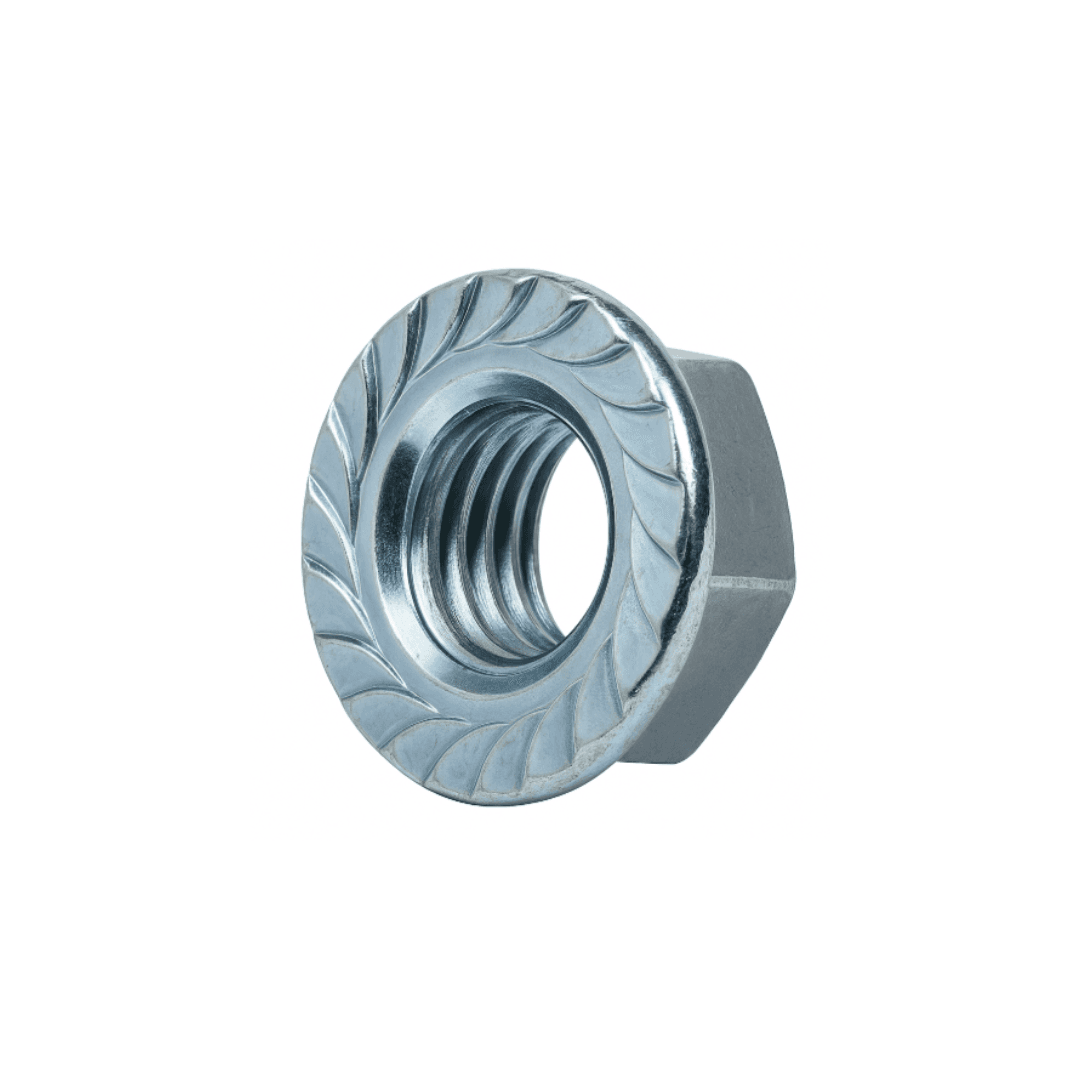
Nord-Lock Stainless Steel Wedge-Locking Nuts
Nord-Lock's stainless steel wedge-locking nuts use a patented cam and wedge principle to prevent loosening without relying on friction or deformation, delivering exceptional security in dynamic or safety-critical assemblies exposed to corrosion. They lead technically for applications where loosening prevention under vibration is paramount, outperforming prevailing-torque and nylon-insert designs in retention reliability; this advanced performance comes at a higher unit cost, but it can reduce lifecycle costs by minimizing maintenance and failure risk compared with simpler alternatives.
Estimated$40 – $200
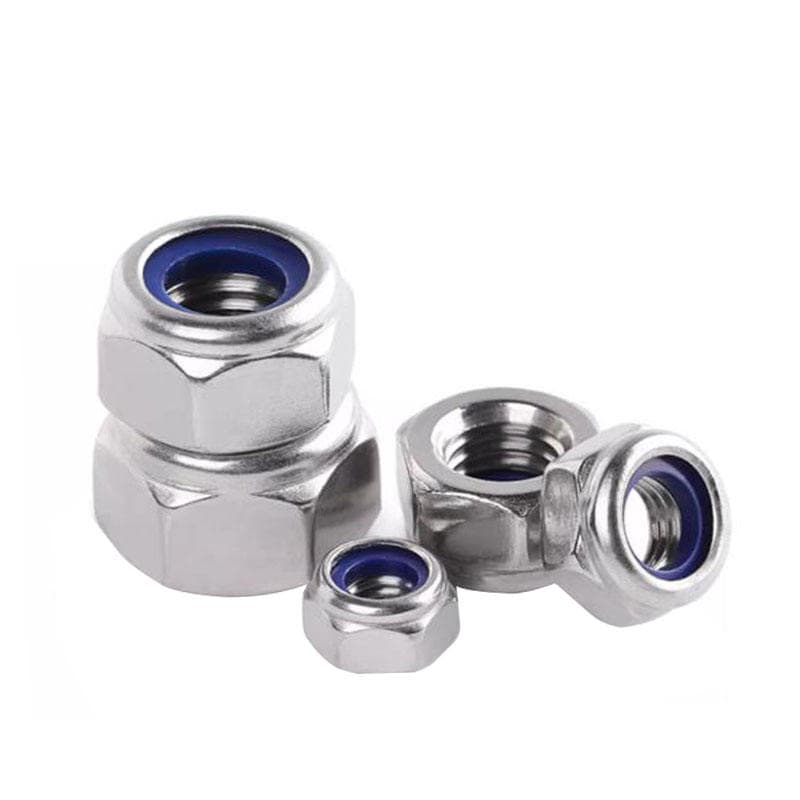
Fastenal 316 Stainless Steel All-Metal Lock Nuts
Fastenal's 316 stainless all-metal lock nuts provide top-tier corrosion resistance for harsh marine and chemical environments, offering full-temperature capability and long-term durability that nylon-insert or galvanized parts cannot match. They are positioned as the market leader for corrosive-service locknuts due to the superior chloride resistance and longevity of 316 material, which typically justifies the premium price over 304, galvanized, or nylon-insert options when replacement and failure costs are considered.
Estimated$15 – $60
How research and standards back corrosion resistant nuts and locknuts
Laboratory testing and industry standards show how materials and locking mechanisms improve longevity and safety. Salt spray protocols, vibration testing, and torque retention trials demonstrate differences between alloys and coatings and explain when each option is best. Key findings help beginners understand why 316 stainless, hot-dip galvanizing, prevailing torque designs, nylon inserts, and all-metal locking systems perform differently in real-world Canadian conditions.
Salt spray and chloride exposure: Tests based on ASTM B117 and ISO 9227 show 316 stainless outperforms 304 stainless in resisting pitting and crevice corrosion in chloride-rich environments, such as coastal areas.
Coatings versus bulk alloys: Hot-dip galvanizing provides sacrificial protection for carbon steel fasteners and is cost effective for exposed structures, but the protection can be compromised at edges or after heavy wear compared with solid stainless alloys.
Locking performance and vibration: Vibration and torque-retention studies indicate prevailing torque nuts and all-metal lock nuts maintain preload better than plain nuts under dynamic loading; wedge-locking systems like Nord-Lock deliver strong anti-rotation resistance where repeated vibration and shock occur.
Temperature and material limits: Nylon insert lock nuts provide excellent vibration resistance at typical service temperatures, but nylon degrades above certain temperatures and in some chemical exposures, where all-metal locks or prevailing torque designs are preferable.
Standards and traceability: Following ASTM, ISO, and regional standards (and ensuring material certificates) improves predictability of performance in construction and marine applications in Canada.
Frequently Asked Questions
Which nut should I pick for marine vibration?
Choose Hillman Stainless Steel Nylon Insert Lock Nuts for vibration-proofing: it uses an 18-8 stainless steel body with a nylon insert, has an average rating of 4.6, costs $20.96 CADand offers good general corrosion resistance for outdoor and indoor use.
What corrosion-resistant material and lock method is used?
Bossard 304 Stainless Steel Prevailing Torque Lock Nuts are made from 304 stainless steel and use a prevailing-torque self-locking design, with an average rating of 4.8, a listing price of CA$21.51, and good corrosion resistance for industrial assemblies outside marine salt spray.
Is Hillman or Bossard better value for corrosion locking?
Hillman Stainless Steel Nylon Insert Lock Nuts cost $20.96 CAD(rating 4.6) and provide 18-8 stainless plus a nylon insert; Bossard Prevailing Torque Lock Nuts cost $20.96 CAD(rating 4.6) with 304 stainless self-locking—Bossard costs more for prevailing-torque locking.
Are Bossard nuts better for salt spray or not?
Bossard 304 Stainless Steel Prevailing Torque Lock Nuts are ideal for industrial assemblies outside marine salt spray, not marine salt spray; they’re rated 4.8, priced at CA$21.51, and rely on a prevailing-torque self-locking design without inserts.
Conclusion
This shortlist covers five reliable options tested and chosen for Canadian conditions: Hillman Stainless Steel Nylon Insert Lock Nuts for general-purpose vibration resistance; Paulin Hot-Dip Galvanized Hex Nuts for economical sacrificial coating on exposed steel; Bossard 304 Stainless Steel Prevailing Torque Lock Nuts for precision prevailing torque performance; Nord-Lock Stainless Steel Wedge-Locking Nuts for extreme vibration and heavy duty applications; and Fastenal 316 Stainless Steel All-Metal Lock Nuts for the highest chloride resistance. For most marine and coastal projects where chloride corrosion control is paramount, Fastenal 316 Stainless Steel All-Metal Lock Nuts are the best overall choice, while Nord-Lock is ideal when vibration prevention is the primary concern. I hope you found what you were looking for. You can refine or expand your search using the site search or filters to compare material grades, thread sizes, standards, and pricing.