

Top 5 Sensor Testers and Signal Simulators in Canada for 2026
Portable sensor testers and signal simulators are essential tools for modern vehicle and industrial diagnostics. These devices generate calibrated voltage, frequency, resistance and CAN signals to validate ECU inputs and reproduce intermittent faults for pressure, temperature, speed and ABS sensors. In Canada, technicians, fleet managers and advanced DIYers prefer compact, rugged testers with bilingual support, reliable calibration traceability, and broad vehicle coverage to handle cold-climate conditions, mixed domestic and import fleets, and growing EV and advanced driver assistance system complexity. Buyers look for tools that reduce diagnostic time, improve first-time fixes, and integrate with shop workflows and telematics while offering strong local support and warranty options.
Inception's AI took the time to understand this market in Canada · · How we pickWe may earn a commission on purchases. It never affects our rankings.
Top Picks Summary
Autel MaxiSys MS906PRO-TS
The Autel MaxiSys MS906PRO-TS is positioned as a best-in-class automotive diagnostic tablet that pairs wide vehicle coverage and bi-directional control with TPMS and sensor-testing adapters, making it a top choice for shops that need both deep diagnostics and basic signal simulation. Compared with the more specialized OTC simulator or the Fluke ProcessMeter, the MS906PRO-TS offers broader functional breadth (ECU access, active tests and service resets) that can reduce the need for multiple single-purpose tools, though it is typically more expensive than dedicated simulators like the OTC 3418 or ATEQ VT56. Its technical advantage is the integration of diagnostics and sensor test workflows on a single, regularly updated platform, which can be financially advantageous for mixed-service garages that would otherwise buy several tools.

Launch X-431 PAD VII
The Launch X431 PAD VII is a market-leading vehicle diagnostic tablet known for fast updates, broad vehicle coverage, and a competitive price-to-feature ratio that makes it attractive to fleets and independent shops focused on automotive sensor troubleshooting. Versus the Autel MS906PRO-TS it often presents a lower total cost of ownership while delivering similar OE-level scan and active-test capabilities, though it is less of a drop-in replacement for dedicated signal simulators like the OTC 3418 or for precision industrial loop work handled by the Fluke 789. For operations prioritizing economical, comprehensive vehicle diagnostics with occasional sensor simulation, the X431 PAD VII represents a practical middle ground.

OTC 3418 Sensor Simulator
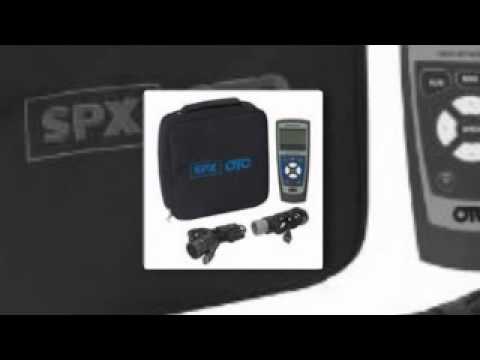
The OTC 3418 Sensor Simulator is a focused automotive sensor-simulation tool designed to generate realistic signals for crank, cam, speed, temperature and other common engine sensors, making it a go-to choice for bench testing ECUs and harnesses. Unlike full-featured diagnostic tablets (Autel, Launch) it’s purpose-built and therefore more affordable and simpler to use when the task is pure signal generation; compared with the Fluke 789 it lacks industrial loop-calibrator precision but provides automotive-specific connector support and waveforms that save time diagnosing vehicle sensor faults. Its financial and technical advantage is cost-effective, reliable simulation for shop techs who need repeatable automotive sensor signals without the overhead of a tablet-based diagnostic system.
Estimated$600 – $850
ATEQ VT56 TPMS Tool
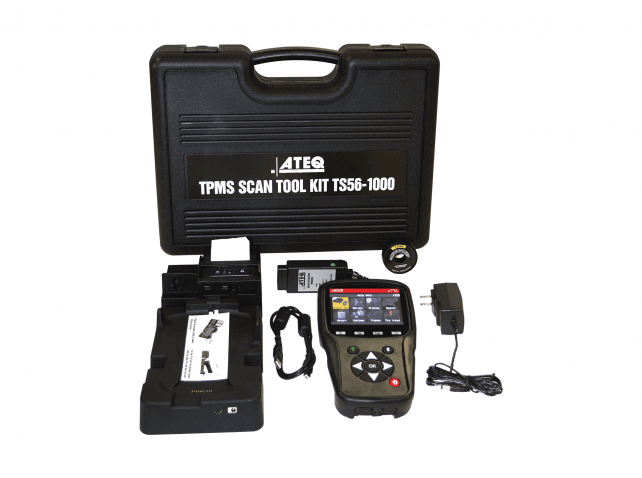
The ATEQ VT56 is a market leader for TPMS work, offering fast sensor activation, cloning and programming with extensive OE coverage that makes it indispensable for tire shops and dealerships focused on sensor replacement and relearns. Compared to broader diagnostics platforms (Autel, Launch) the VT56 is much more affordable and purpose-built for TPMS workflows, but it does not replace the multi-signal simulation capability of the OTC 3418 or the precision analog output and calibration functionality of the Fluke 789. Its advantage is streamlined, high-volume TPMS performance that lowers per-job cost and reduces training time for technicians who only need tire and TPMS services.
Estimated$300 – $450
Fluke 789 ProcessMeter
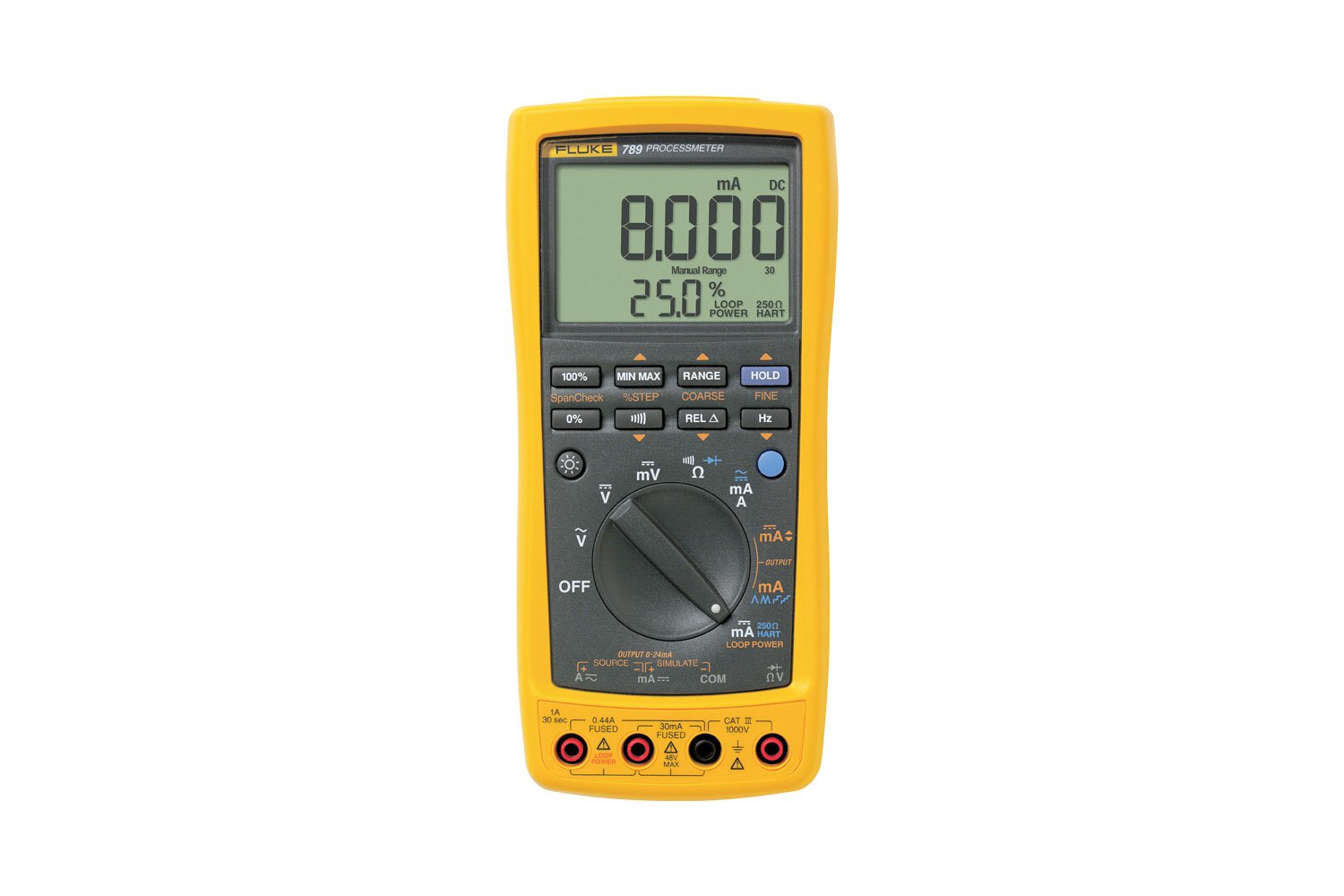
The Fluke 789 ProcessMeter combines a precision 24 V loop calibrator and digital multimeter in one rugged instrument, making it the go-to choice for industrial sensor testing and 4–20 mA simulation and troubleshooting rather than vehicle-focused diagnostics. While it doesn’t offer automotive connectors or TPMS features like the OTC 3418 or ATEQ VT56, its technical advantage is laboratory-grade accuracy and traceability that justifies a higher upfront cost for process engineers and maintenance techs; it complements automotive tools by providing the analog signal precision many vehicle simulators lack. For users who need exact current-loop injection and measurement across disciplines, the Fluke 789 delivers superior stability and documented calibration capability.
How Sensor Testers and Signal Simulators Help (Beginner Friendly)
Signal simulators and sensor testers work by reproducing the electrical characteristics of real sensors so the vehicle electronic control unit (ECU) sees realistic inputs. By applying calibrated voltage, resistance, frequency, or digital bus signals, testers let technicians confirm whether the ECU, wiring and connectors respond correctly without needing the original sensor to be present. This isolates wiring and module faults from sensor failures and helps reproduce intermittent issues that only show under certain conditions. Reliable devices use repeatable output levels and documented calibration so results can be trusted for repairs and compliance.
Controlled simulation reduces guesswork: industry testing shows simulated inputs reduce diagnostic steps and time to repair by enabling targeted checks of wiring and ECU reactions.
Repeatability and calibration matter: devices with traceable calibration deliver consistent results that support warranty and compliance decisions.
Intermittent fault diagnosis: reproducible signals allow technicians to recreate elusive faults that occur only under specific conditions, improving repair accuracy.
Standard signal types: most studies and technical guides emphasize testing voltage, resistance, frequency and CAN/serial messages to cover sensors like pressure, temperature, speed and ABS.
Field portability delivers value: field trials indicate portable testers cut downtime for fleet and mobile technicians by enabling on-site validation.
Frequently Asked Questions
Which sensor tester is best for a shop fleet?
For shop fleets needing active tests plus bi-directional sensor/actuator verification, choose the Launch X431 PAD VII, which has an average rating of 4.5 and includes signal injection with waveform viewing. Its listing price is $3099.
Does OTC 3418 Sensor Simulator adjust voltage and frequency?
Yes—the OTC 3418 Sensor Simulator provides adjustable voltage, frequency, and resistance outputs to emulate real-world sensor behavior for bench and in-vehicle checks, with an average rating of 4.4.
Is Autel MaxiSys MS906PRO-TS worth $2059 for sensor testing?
At $2,059.00 CAD, the Autel MaxiSys MS906PRO-TS is a tablet with bi-directional control, built-in oscilloscope, and integrated signal simulation/component test routines to emulate sensors and actuators. Its average rating is 4.6.
What warranty comes with Launch X431 PAD VII in Canada?
The provided details don’t state any warranty duration for the Launch X431 PAD VII (listing price $3099, average rating 4.5), so I can’t confirm coverage from the given data.
Conclusion
In Canada, the right portable sensor tester or signal simulator can dramatically speed up diagnostics and reduce misdiagnosis. The Autel MaxiSys MS906PRO-TS offers a comprehensive, user-friendly platform and is our top pick for most professionals. The Launch X431 PAD VII brings advanced vehicle coverage and cloud features for busy shops. The OTC 3418 Sensor Simulator is a rugged, focused tool for direct signal generation. The ATEQ VT56 TPMS Tool is specialized for tire pressure monitoring system work, and the Fluke 789 ProcessMeter is excellent for precision process and industrial signal testing. We hope you found what you were looking for — you can refine or expand your search using the site search to compare features, pricing and local support options.