

Top 5 Oxidation Removers and Metal Etches for Wheel Bonding Prep in Canada — 2026
Chemical treatments that remove oxidation and lightly etch metal surfaces are essential for restoring surface profile and improving mechanical adhesion for wheel bonding applications. In Canada, technicians and shops prefer products that reliably remove aluminum oxide, leave a clean, high-energy surface for adhesives and primers, comply with provincial and federal VOC and hazard regulations, and are easy to rinse or neutralize. Buyers choose solutions that balance fast action, minimal residue, compatibility with common wheel alloys and adhesives, and good availability from local distributors or online Canadian retailers. This category covers phosphoric and acidic etches, self-etch primer systems, conversion coatings, and dual-action rust converters that are formulated for aluminum and other alloys used in wheel manufacturing and repair.
Inception's AI took the time to understand this market in Canada · · How we pickWe may earn a commission on purchases. It never affects our rankings.
Top Picks Summary
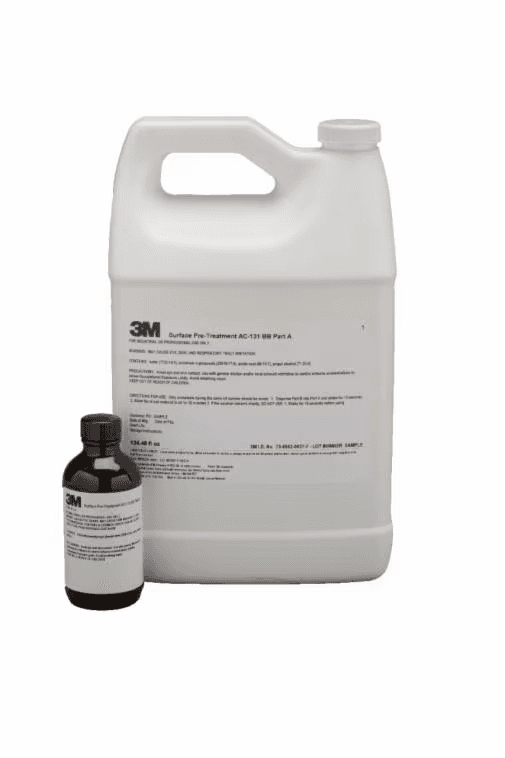
3M Surface Pre-Treatment AC-131
3M Surface Pre-Treatment AC-131 is positioned as the class-leading pretreatment for wheel bonding prep due to 3M’s rigorous formulation control and consistent, OEM-oriented performance in removing oils and surface oxides prior to adhesive application. Compared with the other products on this list it typically carries a higher unit cost but offers documented compatibility with many structural adhesives and repeatable results that reduce rework and warranty risk in production settings.
Estimated$20 – $45
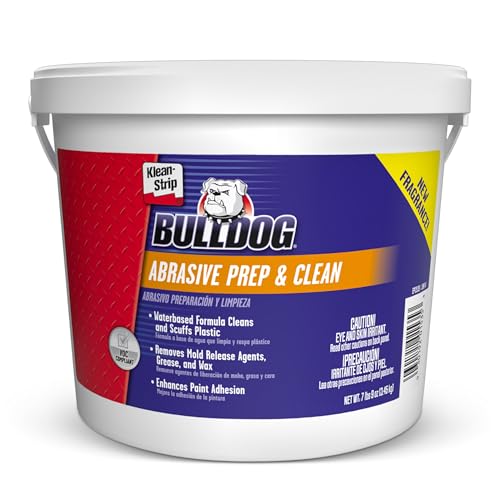
Klean-Strip Phosphoric Prep and Etch
Klean-Strip Phosphoric Prep and Etch is a widely available, budget-friendly phosphoric acid-based etch that quickly removes rust and light oxidation to prepare bonding surfaces. Its main advantage versus premium pretreatments like 3M AC-131 is lower upfront cost and easy accessibility for one-off or small-shop wheel bonding jobs, though it is generally less documented for adhesive system approvals and can be more aggressive if not neutralized properly.
Estimated$15 – $35
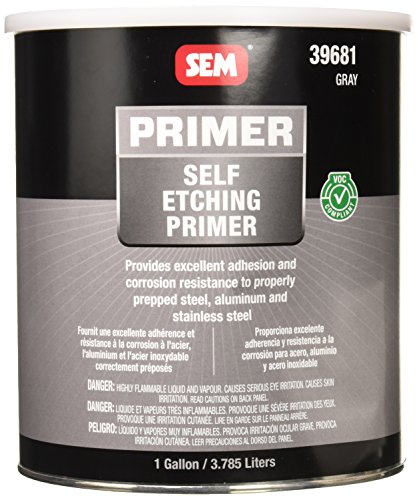
SEM Self-Etch Primer
SEM Self-Etch Primer combines mild etching chemistry with an adhesion-promoting primer in one product, which saves a processing step and provides immediate corrosion resistance before adhesive application. For wheel bonding prep this product offers a technical and labor-cost advantage over separate etch-and-prime workflows (reducing cycle time compared with Alumiprep 33 or separate phosphoric etches), but it can be more costly per unit and may not replace specialized aerospace-grade etchants when maximum metal cleanliness is required.
Estimated$30 – $70
Alumiprep 33
Alumiprep 33 is a specialty aluminium etchant widely used where reliable oxide removal and a non-chromate approach are required prior to bonding. It occupies a middle-to-premium price position but delivers a controlled, aviation-accepted etch profile that is often preferred for aluminum wheel surfaces over generic phosphoric preps; its efficacy and compatibility with structural adhesives make it a go-to when long-term bond reliability is the priority.

We may earn a commission on purchases. It never affects our rankings.
$56.75CAD
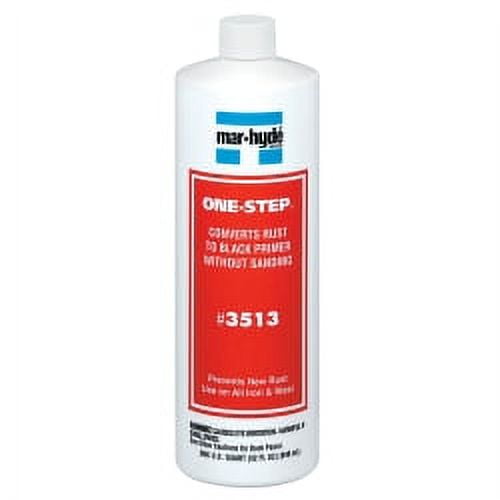
Mar-Hyde One-Step Rust Converter Primer Sealer
Mar-Hyde One-Step Rust Converter Primer Sealer is designed to convert active rust into a stable black polymer and provide a sealed surface, offering a cost-effective option for treating corroded steel contact points in wheel assemblies. While it is not a substitute for aluminum-specific etchants like Alumiprep 33 or pretreatments intended for adhesive bonding, its unique value is in quickly stabilizing ferrous corrosion and reducing labor and material expense when steel surfaces near bonding areas must be made serviceable before adhesive application.
Estimated$20 – $50
How oxidation removal and metal etch improve bond performance
Surface etching and oxidation removal improve adhesive and coating performance by removing weak, contaminated oxide layers and creating a micro-rough profile that promotes both mechanical interlock and improved surface energy for chemical bonding. Laboratory and industry tests consistently show that properly prepared metal surfaces yield higher lap shear, peel strength, and longer-term durability in corrosive environments compared with unprepared or only solvent-cleaned surfaces. Effective preparation depends on choosing the right chemistry for the alloy, following manufacturer dwell and rinse instructions, and pairing the etch with compatible primers or adhesives.
Removing native aluminum oxide and contaminants increases wettability and adhesion; surface energy increases have been measured after acidic etch treatments.
Micro-roughness created by light etching improves mechanical interlock; profilometry and microscopy studies correlate increased roughness with higher peel and shear strength.
Phosphoric acid and fluoride-free etches are commonly used for aluminum; research and industry practice recommend controlled etch time to avoid over-etching the substrate.
Self-etch primers combine etch and priming steps to simplify workflows and have shown improved initial bond strength in controlled tests, but long-term durability depends on proper application and curing.
Standard test methods used to evaluate performance include ASTM D1002 for single-lap shear strength and ASTM B117 for accelerated corrosion resistance.
Environmental and safety studies encourage using low-VOC formulations and proper PPE, ventilation, and waste handling to meet Canadian workplace and environmental regulations.
Frequently Asked Questions
Which product should I use for wheel bonding prep?
Use 3M Surface Pre-Treatment AC-131 if you want a solvent-based pre-treatment that removes oils, greases and light contaminants and fast-evaporates for immediate bonding; it’s rated 4.6.
What does Klean-Strip Phosphoric Prep and Etch chemically do?
Klean-Strip Phosphoric Prep and Etch uses a phosphoric-acid based etch to remove rust and light scale, opening the metal for better adhesion and improving primer and adhesive wetting; it’s rated 4.4.
Is SEM Self-Etch Primer cheaper than 3M AC-131?
The provided data doesn’t include any prices for SEM Self-Etch Primer or 3M Surface Pre-Treatment AC-131, so I can’t compare cost or value.
Does SEM Self-Etch Primer etch and prime in one step?
Yes—SEM Self-Etch Primer self-etches and primes bare metal in one step to boost bond strength, designed for adhesion to difficult-to-bond wheel alloys and to prevent flash corrosion; rated 4.5.
Conclusion
In the Canadian market in 2026, the leading options for wheel bonding prep balance performance, compliance, and availability. The five highlighted products are 3M Surface Pre-Treatment AC-131, Klean-Strip Phosphoric Prep and Etch, SEM Self-Etch Primer, Alumiprep 33, and Mar-Hyde One-Step Rust Converter Primer Sealer. For most professional wheel repair and bonding workflows in Canada, 3M Surface Pre-Treatment AC-131 stands out as the best overall choice due to its consistent performance, broad compatibility, and strong distributor support. We hope this roundup helped you find the right oxidation remover or metal etch for your needs. If you want to refine results by application, alloy, or regulatory requirements, use the search to narrow or expand your options.