

Top 8 Heavy Duty Refuse Trucks in Canada — 2026
Heavy duty refuse trucks are purpose-built vehicles for municipal and commercial waste collection, featuring large-capacity compacting bodies, automated lifting mechanisms, and rugged chassis designed for daily heavy use. In Canada, buyers prioritize durability, uptime, and total cost of ownership, while increasingly valuing lower emissions, quieter operation, and integrated telematics for route optimization and predictive maintenance. Advances through 2026 emphasize electric and hybrid drivetrains to meet local emissions goals, smarter route and fleet management software to cut fuel and labor costs, and more reliable automated collection systems to improve safety and collection speed. These trucks are appealing to cities and private haulers because they balance high payload capacity and compaction performance with newer technology that reduces noise, local air pollution, and operating expense over the vehicle life cycle.
Inception's AI took the time to understand this market in Canada · · How we pickWe may earn a commission on purchases. It never affects our rankings.
Top Picks Summary
The Labrie Automizer Right Hand is distinguished by automated right-side loading and operator-centric ergonomics that speed route cycles and reduce labor costs for heavy duty rear loader applications. Its technical edge in automation and safety delivers measurable financial advantages on labor-intensive routes, contrasting with McNeilus and Heil which emphasize ruggedness and compaction rather than advanced automation.
Show More Heavy Duty Rear Loader Trucks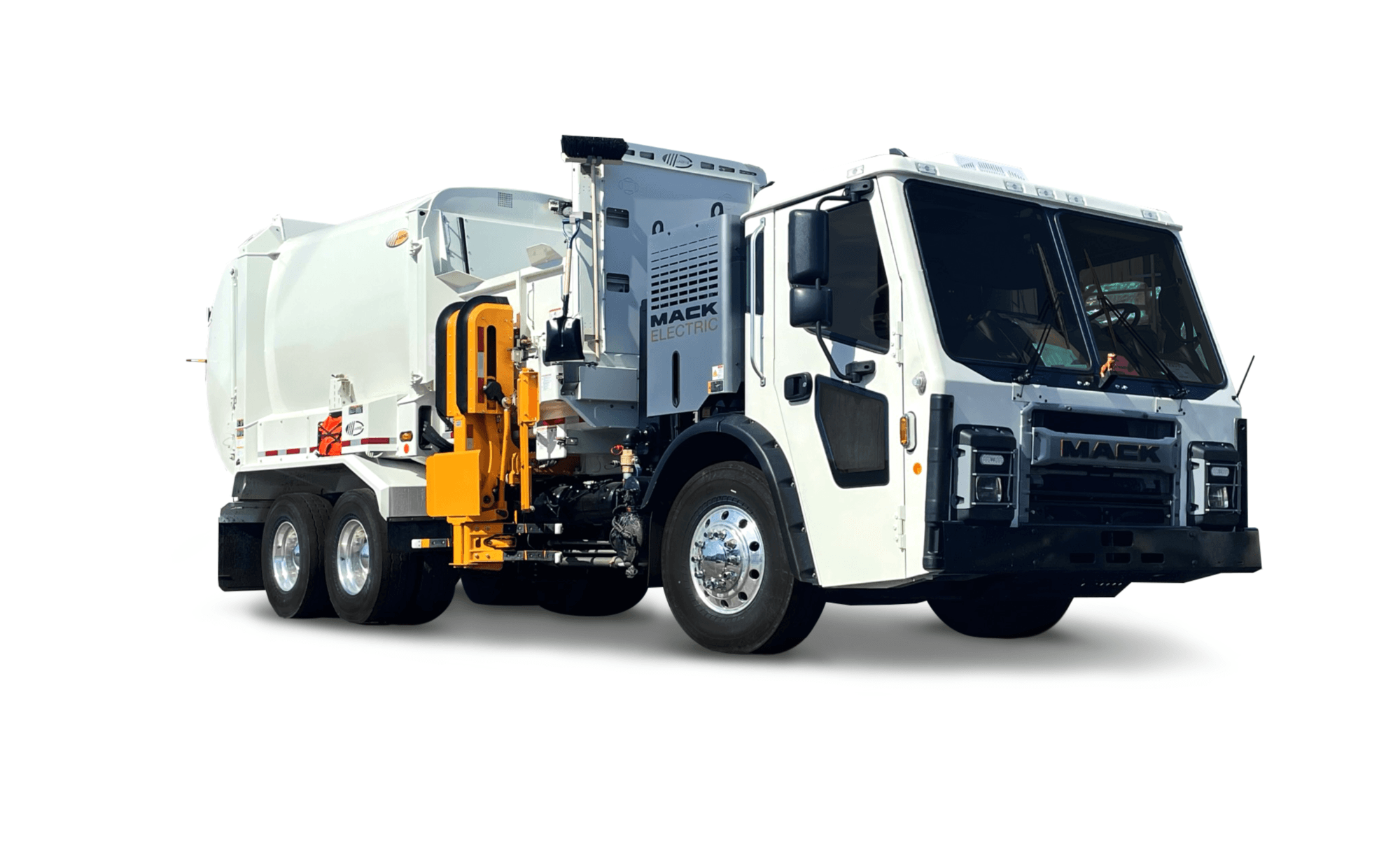
We may earn a commission on purchases. It never affects our rankings.
Estimated$350,000 – $480,000
The Labrie Automizer Front Loader is positioned as a technology-forward choice for heavy duty front loader trucks, emphasizing automated cycle control and efficient hydraulics to reduce fuel and operator time. Compared with the other units on this list, it offers a higher level of automation and fitted diagnostics that can lower lifecycle operating costs, while its Canadian manufacturing pedigree targets fleets that prioritize tight integration between controls and chassis systems.
Show More Heavy Duty Front Loader Trucks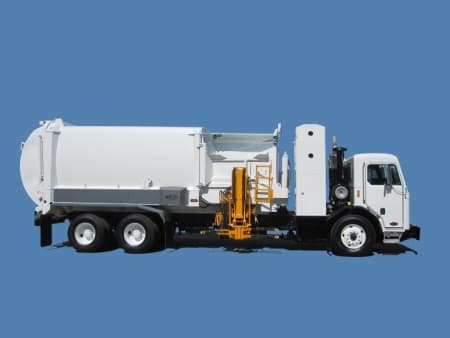
Estimated$260,000 – $340,000
The New Way Sidewinder XTR targets fleets that need a high-capacity, adaptable automated side loader with a compact footprint and strong automated-arm reach, making it attractive where route geometry is constrained. Compared to Labrie and Heil it often wins on maneuverability and lower up-front purchase price than some premium chassis-integrated models, while offering comparable automation benefits to McNeilus and a competitive parts and service model in Canadian markets.
Show More Heavy Duty Automated Side Loader Trucks
Estimated$350,000 – $550,000
The Kenworth T880 is a best-in-class choice for heavy duty roll off container trucks thanks to a rugged, customizable chassis, high front and rear axle ratings, and proven Paccar powertrain options that help reduce lifetime operating costs. Compared with the other trucks on this list it often delivers superior upfitter support, driver comfort and resale value, making it a strong financial choice for fleets that prioritize longevity and lower total cost of ownership over lowest upfront price.
Show More Heavy Duty Roll Off Container Trucks
Estimated$220,000 – $350,000
The Peterbilt 567 Transfer Truck is a vocational workhorse prized for driver comfort, a heavy-duty yet aerodynamic hood, and strong resale value—attributes that make it well-suited to long transfer runs and owner-operator fleets. While the 567 can command a higher upfront price than some rivals, it often offsets that cost through higher retained value and lower downtime compared with otherwise less premium vocational trucks like the Freightliner or basic spec Mack units.
Show More Heavy Duty Transfer Trailer Trucks
We may earn a commission on purchases. It never affects our rankings.
Estimated$235,000 – $330,000
The Loadmaster Excel Rear Loader is a robust, no-nonsense option for heavy duty compaction body trucks that prioritizes ease of service and a lower acquisition cost, making it attractive for fleets focused on tight budgets and straightforward maintenance. Versus market leaders like McNeilus and feature-rich models like Labrie and New Way, the Excel typically sacrifices some advanced automation and lightweight materials to deliver a very competitive upfront price and simpler total cost of ownership for routine municipal workloads.
Show More Heavy Duty Compaction Body Trucks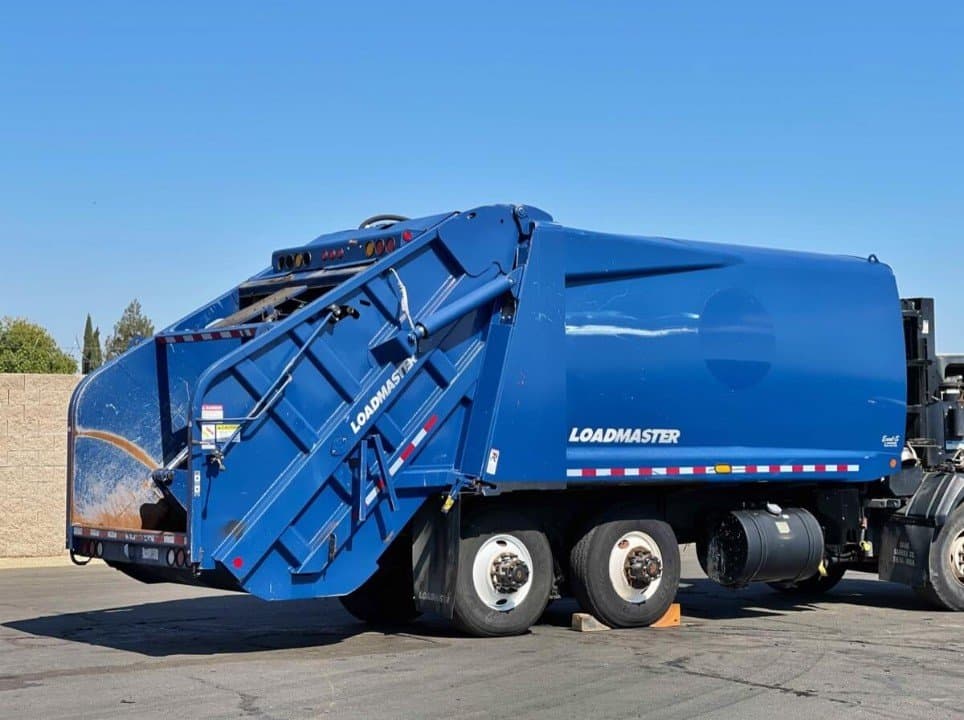
Estimated$240,000 – $390,000
Lion8 Refuse from Lion Electric is a North American-designed zero-emission refuse truck focused on payload retention, modular battery sizing, and simplified charging to match specific route profiles. It distinguishes itself through high local content, eligibility for regional incentives, and an integrated approach that lowers operational complexity and TCO for municipalities compared with larger long-range platforms that are not optimized specifically for heavy-duty curbside collection.
Show More Heavy Duty Electric Refuse Trucks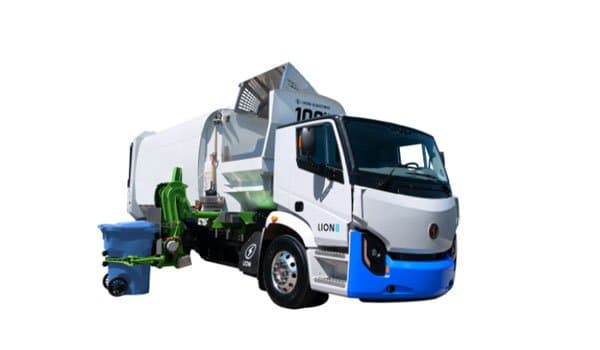
Estimated$575,000 – $900,000
The Autocar ACX Hybrid is a purpose-built refuse workhorse that combines a chassis and hybrid powertrain engineered specifically for heavy payloads and high-cycle collection duty, reducing downtime through factory-integrated systems and robust component packaging. Compared with more chassis-focused offerings, Autocar’s integration and customization options provide operational advantages—fleets gain better uptime and simplified service logistics, translating into lower indirect costs over the vehicle lifecycle.
Show More Heavy Duty Hybrid Refuse Trucks
Estimated$380,000 – $600,000
Why electrification and smarter collection matter
Research and field trials show that electrifying heavy duty refuse fleets and adding smarter route and vehicle controls produce measurable benefits. Benefits include lower tailpipe emissions, reduced noise in residential areas, and lower long-term operating costs when systems are optimized for duty cycles typical of waste collection. Telemetry and route optimization reduce idling and deadheading, while automated lift and compaction systems lower worker exposure to hazards and speed stops. These findings are supported by government and industry analyses focused on heavy vehicles and municipal fleets.
Emission reductions: Studies from national and international agencies show that replacing diesel trucks with electric or hybrid models can cut greenhouse gas and local pollutant emissions at the point of use, improving urban air quality.
Noise reduction: Electric refuse trucks operate significantly quieter than diesel models, which helps reduce nighttime and early morning disturbance in residential neighborhoods.
Total cost of ownership: Lifecycle analyses indicate higher upfront costs for electric trucks can be offset by lower fuel and maintenance costs over time, especially when fleets adopt smart charging and regenerative braking strategies.
Fleet efficiency: Pilot programs and fleet studies demonstrate that route optimization and telematics reduce fuel use and labor hours by planning more efficient sequences of stops and improving vehicle utilization.
Worker safety and ergonomics: Automated lift systems and improved cab ergonomics reduce manual handling and repetitive strain, lowering the risk of injuries.
Frequently Asked Questions
Which transfer truck should a waste contractor buy?
If you need a heavy-duty transfer platform for waste operations, consider the Kenworth T880 Transfer Truck, with a rugged frame and upfit-friendly bonnet design for transfer trailer work, rated 4.6.
What engine options come on the Kenworth T880 Transfer?
The Kenworth T880 Transfer Truck is available with high‑torque PACCAR MX and Cummins X15 engines suitable for heavy loads.
How does the Kenworth T880 transfer platform price help?
The provided product data doesn’t list a price for the Kenworth T880 Transfer Truck, so there’s no exact cost-to-features comparison available.
Is the Kenworth T880 transfer truck good for payload?
Yes—the Kenworth T880 Transfer Truck is built for payload, with a high‑strength frame and multiple axle/gear ratios for transfer trailer configurations; warranty length isn’t provided.
Conclusion
This roundup highlights the heavy duty refuse trucks shaping municipal and commercial collection in Canada in 2026, reflecting a shift toward cleaner, quieter, and smarter fleets. We hope you found the comparisons and insights useful. Use the site search to refine by drivetrain, body type, lifting system, or province, or expand your search to include fleet financing and charging infrastructure options.