

Top 4 Fuel Tanker Trucks in Canada for 2026
Heavy-duty fuel tanker trucks are built to transport gasoline, diesel, and jet fuel safely over long distances, featuring explosion-proof components and compliant grounding systems. Modern units increasingly incorporate telematics, fuel flow metering, Transport Canada and provincial TDG-compliant safety features, and optimized lightweight materials to reduce operating costs and emissions. In Canada, buyers prioritize regulatory compliance, payload capacity, uptime and service support across provinces, and measurable fuel-handling accuracy for commercial and airport fueling operations. Fleet managers and owner-operators also look for integrated telematics and remote diagnostics to cut downtime, smarter metering to prevent losses, and chassis choices that balance payload with fuel efficiency for long-haul routes and regional deliveries.
Inception's AI took the time to understand this market in Canada · · How we pickWe may earn a commission on purchases. It never affects our rankings.
Top Picks Summary
Kenworth T880 with Dependable Tank Single Compartment
The Kenworth T880 with a Dependable single-compartment tank is engineered for vocational durability and driver comfort, making it a strong choice when route reliability and lifecycle resale value matter for heavy-duty fuel delivery. Compared with the other trucks here it often delivers better on-highway fuel efficiency and higher-spec PACCAR powertrain options, giving fleets lower fuel and long-term maintenance costs even if its purchase price is toward the mid‑to‑upper range.
Show More Heavy Duty Tanker Tractors for Long-Haul Fuel Transport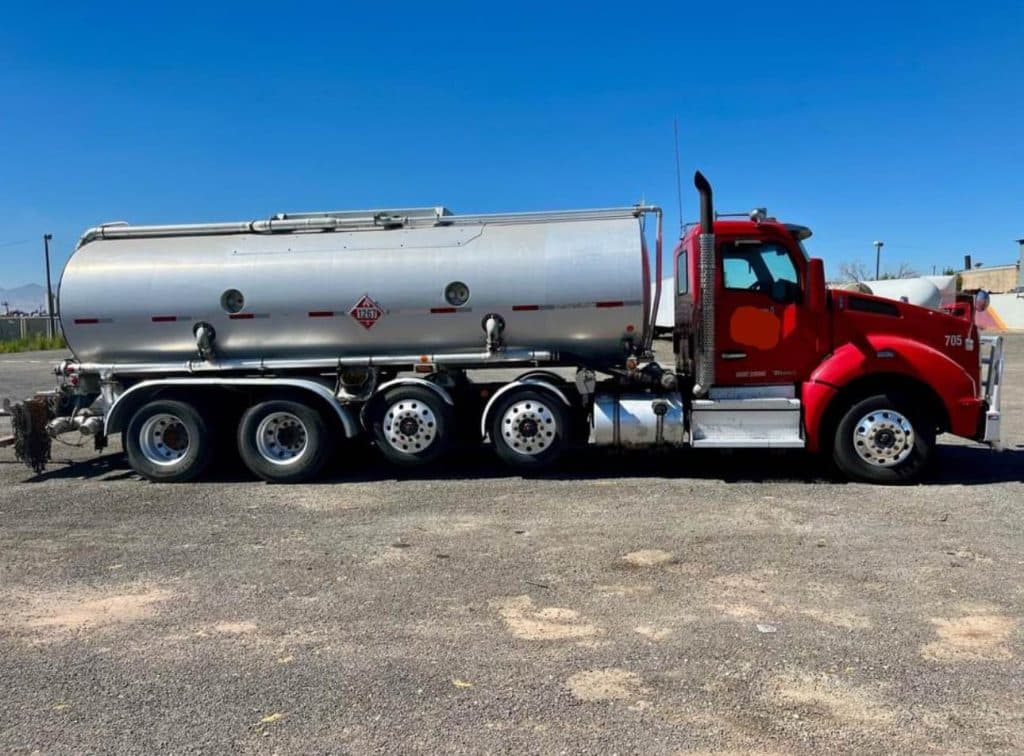
Estimated$260,000 – $380,000
Freightliner M2 106 Fuel Delivery Truck
The Freightliner M2 106 is a versatile, best-in-class choice for heavy duty metered delivery fuel tanker work thanks to its broad chassis range, competitive acquisition price and excellent dealer/service network that minimizes downtime. Its lighter vocational chassis and efficient powertrain options deliver lower fuel and operating costs per route compared with heavier models like the International HV507 and Western Star 4700SF, while offering a more affordable alternative to premium vocational models such as the Kenworth T370.
Show More Heavy Duty Single-Compartment Fuel Distribution Tanker Trucks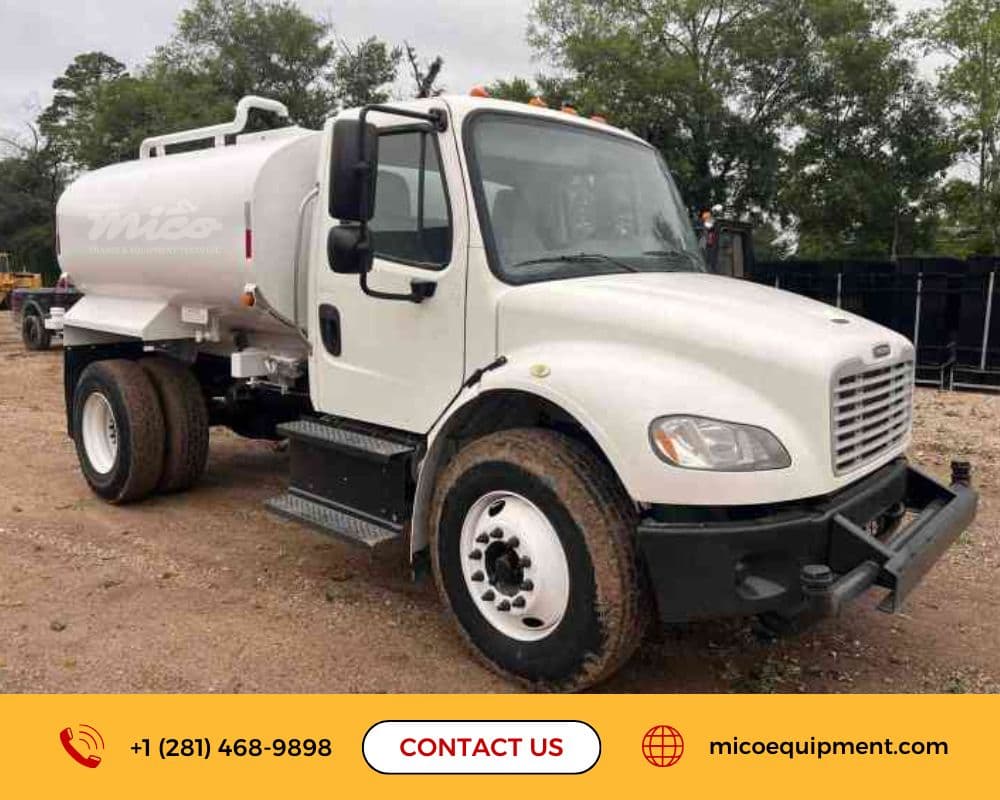
Estimated$160,000 – $230,000
BETA Fueling Systems Jet Refueler
BETA Fueling Systems' Jet Refueler emphasizes advanced filtration, precision metering and modular pump systems that drive tight fuel-quality control and lower lifecycle operating costs for aerodrome refuelling fleets. It stands out against the Titan for superior fuel integrity and against Garsite for standardized, plug-and-play subsystems, making it a technically optimized choice for operators prioritizing measurement accuracy and reduced contamination risk at a modest premium.
Show More Heavy Duty Metered Delivery Fuel Tanker Trucks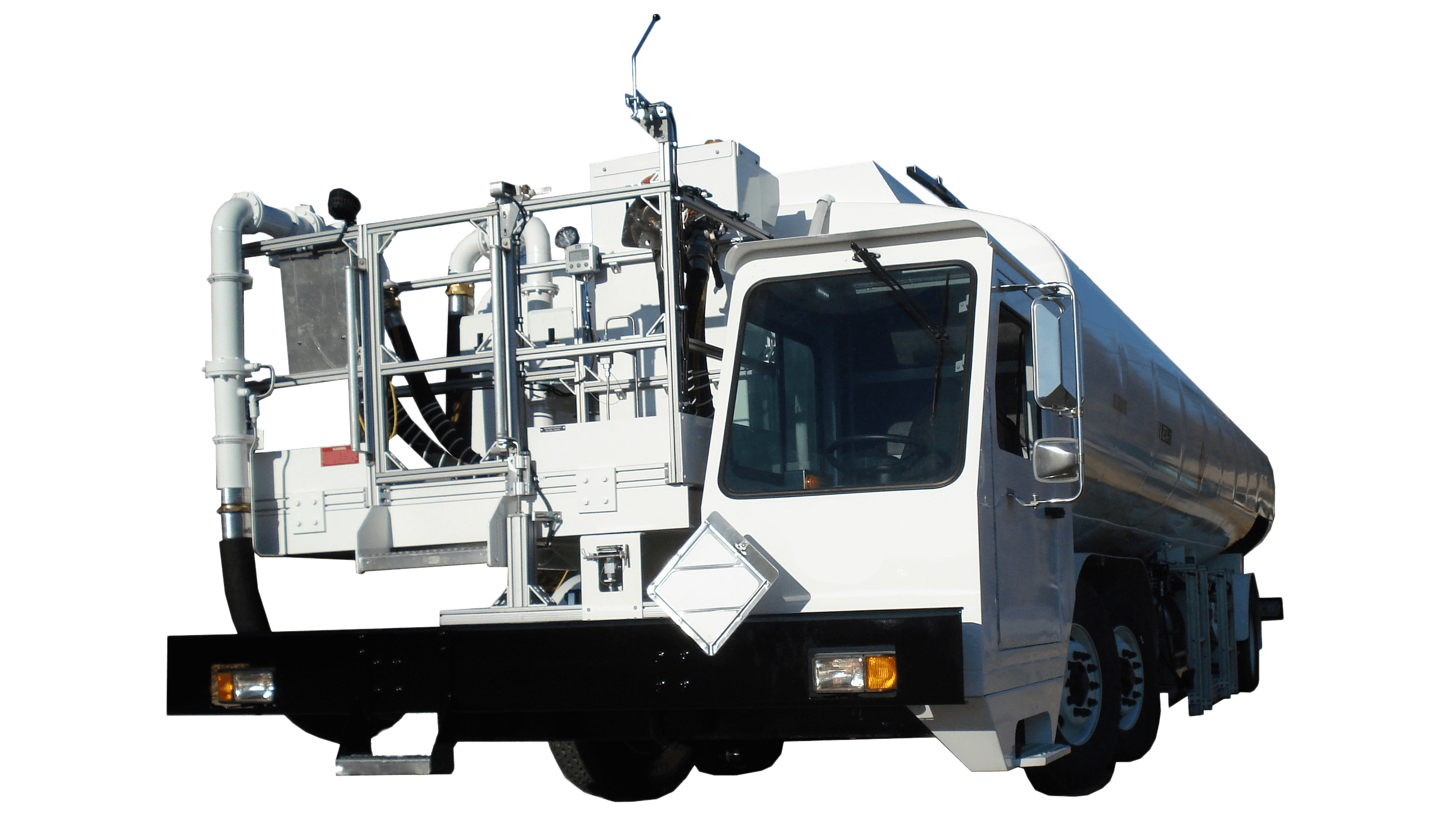
Estimated$450,000 – $900,000
Enduraplas Transport Fuel Caddy
Enduraplas's Transport Fuel Caddy is a market leader for lightweight, corrosion-free mobile refueling thanks to its rotationally molded polyethylene construction, which lowers upfront purchase and installation costs and resists fuel contamination. For heavy-duty bowser needs it serves as a cost-efficient support vehicle option—lighter and cheaper than steel systems like Westeel and more corrosion-resistant than some metal units—though it sacrifices the high-volume durability and regulatory packaging options offered by trailers from Thunder Creek or transportable cubes from TransCube.
Show More Heavy Duty Jet Fuel Aerodrome Tanker Trucks
Estimated$3,000 – $7,000
Research and Evidence: Safety, Efficiency, and Cost Benefits
A range of industry studies and government guidance support the benefits of modern tanker technologies. Research from transportation and energy agencies indicates that improved telematics, accurate fuel flow metering, lighter tank and chassis materials, and active safety systems lead to safer operations, better fuel efficiency, lower lifetime operating costs, and reduced spill risk. Canadian regulatory guidance and international best practice documents also emphasize grounding, explosion-proof electricals, secondary containment, and proper maintenance as primary controls to reduce incidents during fuel transport and transfer.
Telematics and route optimization: Fleet studies show that real-time tracking and driver coaching reduce idling and unnecessary kilometers, improving fuel economy and lowering operating costs.
Fuel flow metering and inventory control: Accurate metering reduces loss, improves billing accuracy, and supports regulatory reporting for commercial customers such as airports and fuel retailers.
Lightweight materials and aerodynamics: Lifecycle assessments indicate that weight reduction and aerodynamic improvements lower fuel consumption across a vehicle's operating life, offsetting higher upfront material costs.
Safety systems and compliance: Transport Canada and safety organizations report that explosion-proof components, reliable grounding, vapor recovery, and secondary containment significantly reduce incident severity and environmental impact.
Return on investment: Case studies from fleet operators indicate that investments in telematics and metering typically show measurable payback through reduced fuel use, fewer losses, and improved asset utilization within a fleet planning horizon.
Frequently Asked Questions
Which truck should I buy for metered fuel delivery work?
Choose the Kenworth T880 with Dependable Tank Single Compartment if you prioritize route reliability and long-term fleet durability, with an average rating of 4.7 and options like precise metering and reinforced manifolds.
What exact metering capabilities come with the Kenworth T880?
The Kenworth T880 with Dependable Tank Single Compartment lists options for precise metering, plus hose reels, dry-break couplers, and reinforced manifolds tailored to fuel distribution workflows.
Is the Freightliner M2 106 a better value than Kenworth T880?
The Freightliner M2 106 Fuel Delivery Truck is the better value option based on its “competitive acquisition price” and average rating of 4.6, plus a Class 6/7 medium-duty chassis with multiple wheelbase choices for regional metered deliveries.
Does BETA Fueling Systems Jet Refueler include safety and bonding features?
Yes—BETA Fueling Systems Jet Refueler includes comprehensive safety features like emergency shutoffs, bonding, and overfill protection, and it’s rated 4.6 for high-flow pumping and metering built for rapid aircraft refuelling.
Conclusion
Canada's fuel tanker market for 2026 rewards operators who balance safety, compliance, and lifecycle cost efficiency. Whether you are equipping a long-haul fleet, serving fuel distribution hubs, or supporting airport refueling, modern tanker features—telematics, metering, compliant safety systems, and lightweight design—deliver measurable benefits. We hope you found the overview helpful. Use the search or filters to refine by payload, certification, or fuel type to find the best match for your operation.