

Top 6 Regional Day Cab Tractor Units in Canada for 2026
Regional day cab tractor units are purpose-built trucks for short-haul and regional routes where sleeper cabs are unnecessary. Designed for maneuverability, quick turnarounds, and high daily utilization, these tractors prioritize a low total cost of ownership through fuel-efficient drivetrains, robust transmissions, and integrated fleet telematics. In Canada, buyers choose day cabs for urban deliveries, intercity freight, and regional distribution because they save weight and cost, reduce driver idle time, and improve route efficiency. Canadian fleets also value models that withstand wide seasonal temperature swings, meet federal and provincial emissions rules, and offer options for alternative fuels or electrified powertrains as local infrastructure expands. For owner-operators and fleet managers, the ideal regional day cab balances upfront price, reliability, uptime, and measurable fuel and maintenance savings across busy short-haul cycles.
Inception's AI took the time to understand this market in Canada · · How we pickWe may earn a commission on purchases. It never affects our rankings.
Top Picks Summary
The Volvo VNR 400 Day Cab is a technology-forward contender optimized for regional and drayage work, offering advanced safety systems and integrated telematics that improve fleet visibility and lower indirect costs like accidents and idle time. Unlike some U.S.-dominated competitors, the VNR emphasizes automated transmissions and connectivity (yielding measurable fuel and labor efficiencies) and can outpace others on safety-related cost savings, though it may carry a different service footprint. Fleets that prioritize telematics-driven uptime and driver safety often find the VNR delivers strong operational ROI.
Show More Two Axle Heavy-Duty Day Cab Tractors
Estimated$145,000 – $210,000
The Kenworth T800 Day Cab earns its spot for three-axle heavy-duty day cab work by balancing a rugged, high-strength chassis with broad powertrain choices and factory-ready vocational packages that reduce upfit time. It frequently undercuts premium rivals on acquisition cost while delivering strong resale value and fuel-efficiency options (PACCAR powertrains), making it a cost-effective choice versus the more premium Peterbilt 389 and the heavier-priced Western Star 4900. Its technical advantage is a configurable frame and suspension architecture optimized for mixed on-/off-highway duty, giving fleets flexibility when specifying axle ratings and gearing for heavy three-axle applications.
Show More Three Axle Heavy-Duty Day Cab Tractors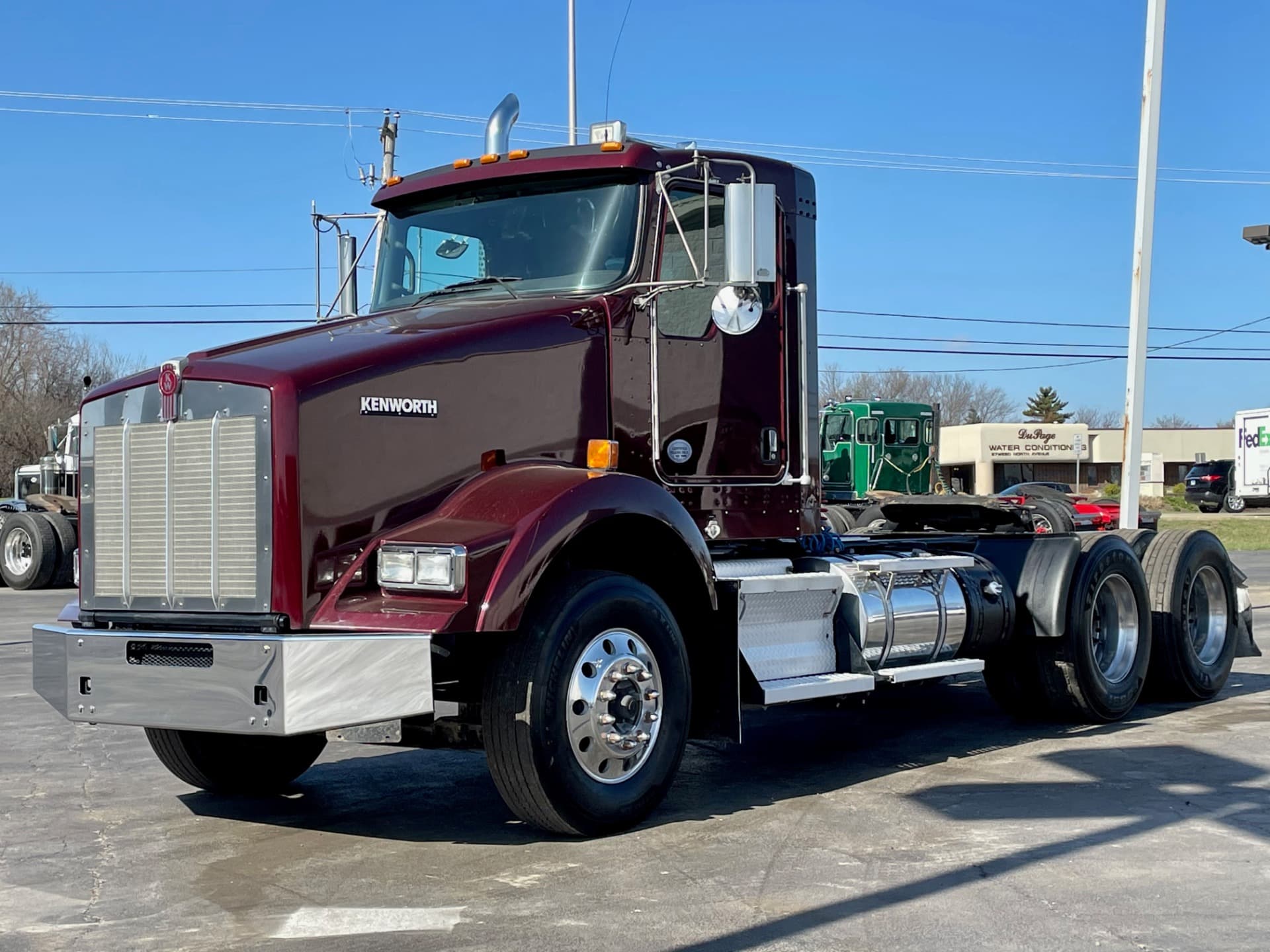
We may earn a commission on purchases. It never affects our rankings.
Estimated$160,000 – $220,000
The Lion8T from Lion Electric is an EV-native heavy-duty day cab tractor that leverages a purpose-built electric platform to simplify maintenance and reduce operating costs versus converted legacy platforms. As a challenger brand, Lion emphasizes lower total cost of ownership for urban and regional operations through optimized battery packaging and reduced mechanical complexity, which can yield faster payback for fleets focused on stop-and-go and short-haul duty cycles. For operators seeking an all-electric design and potentially lower capital outlay compared to incumbent OEM premium models, the Lion8T is a cost-effective choice.
Show More Electric Heavy-Duty Day Cab Tractors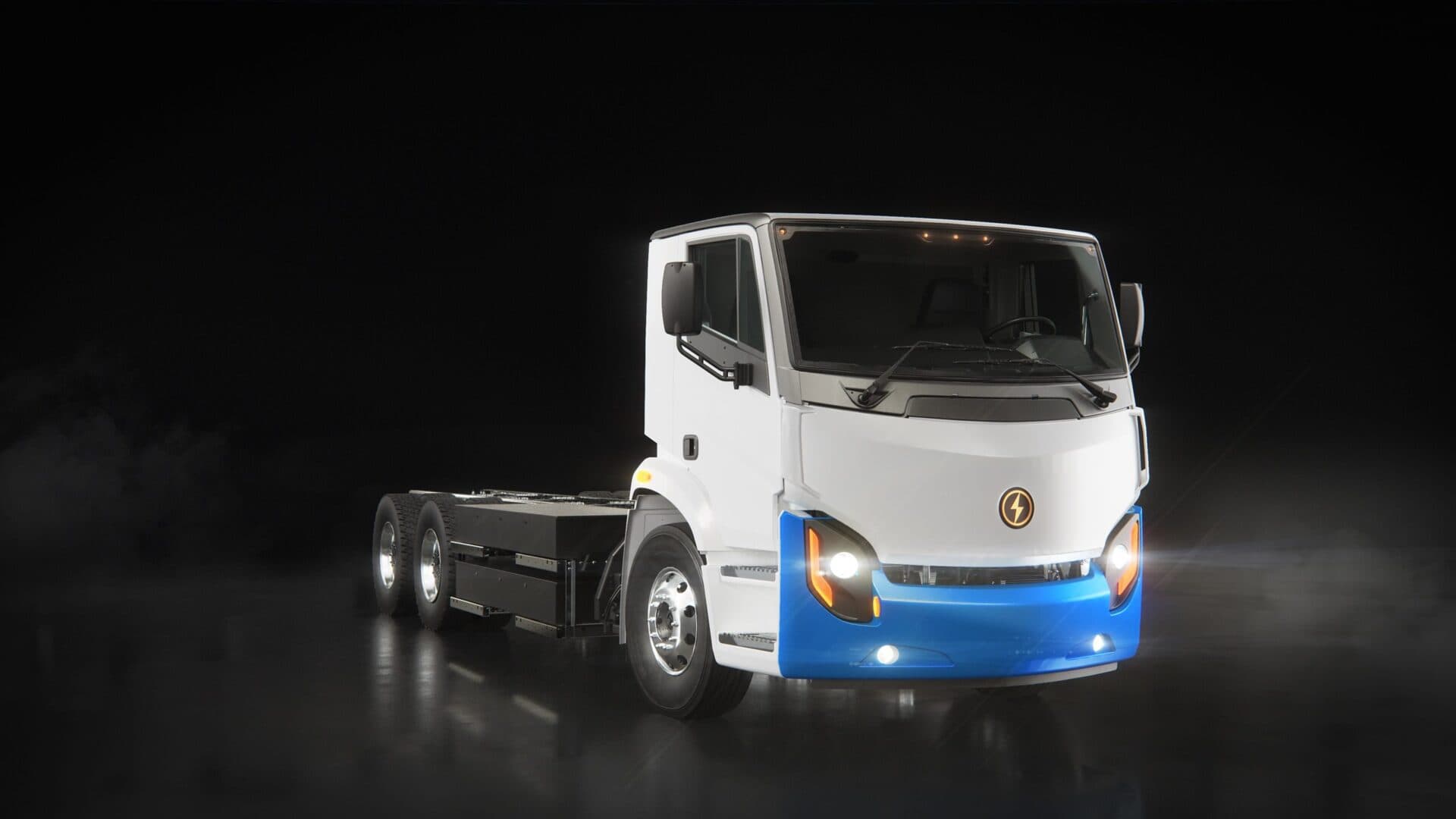
Estimated$320,000 – $420,000
Peterbilt 579 Natural Gas Day Cab
The Peterbilt 579 Natural Gas Day Cab is positioned as a best-in-class option for fleets prioritizing aerodynamic efficiency and driver comfort in natural-gas day-cab applications; its refined aero package and driver-centric cab reduce fuel use and improve uptime compared with more utility-focused rivals. Financially it commands a premium up front but offsets that with strong residual values and lower operating costs on renewable natural gas (RNG) or CNG, making it particularly attractive for owner-operators and premium fleet segments when compared to heavier-duty, fleet-scale alternatives. Its PACCAR-aligned service network and proven chassis engineering deliver predictable total cost of ownership versus competitors that emphasize scale over finish and driver amenities.
Show More Natural Gas Heavy-Duty Day Cab Tractors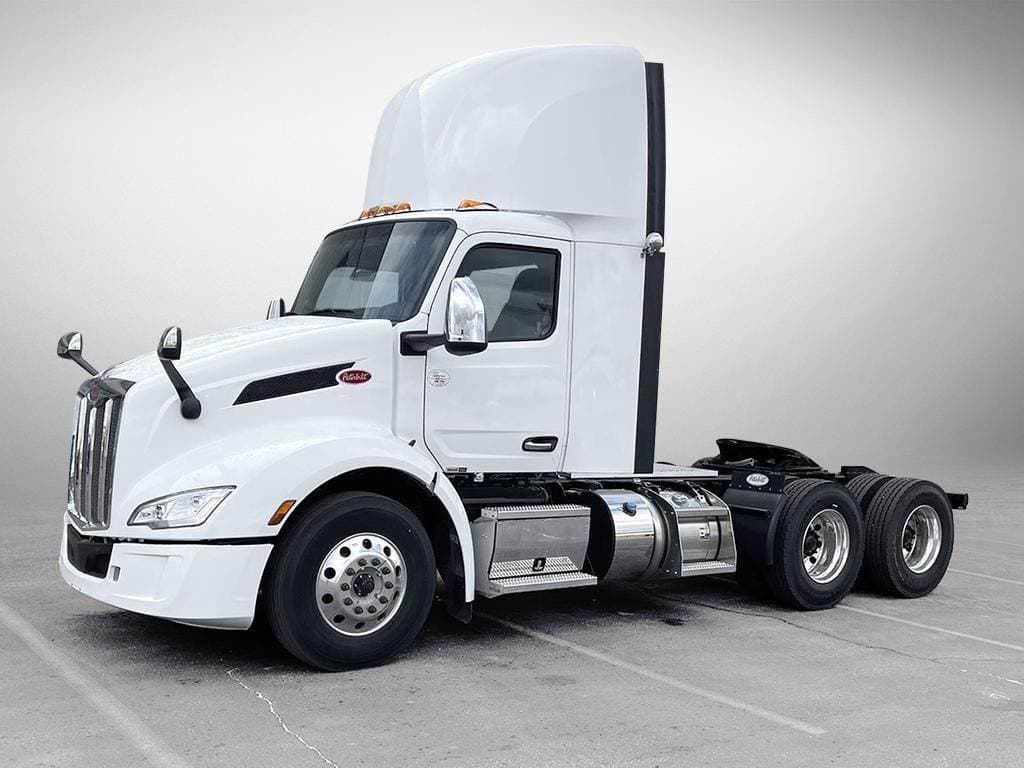
We may earn a commission on purchases. It never affects our rankings.
Estimated$230,000 – $295,000
Kenworth T680 Day Cab
The T680 Day Cab is prized for its aerodynamics, driver-centric cab and premium build quality, which translate into lower long-haul fuel burn and excellent residual value for owner-operators operating reefers. While it can carry a higher purchase price than some competitors, its combination of fuel performance, dealer support and customization makes it a financially strong choice versus peers when resale and driver retention are high priorities.
Show More Refrigerated Trailer Compatible Heavy-Duty Day Cab Tractors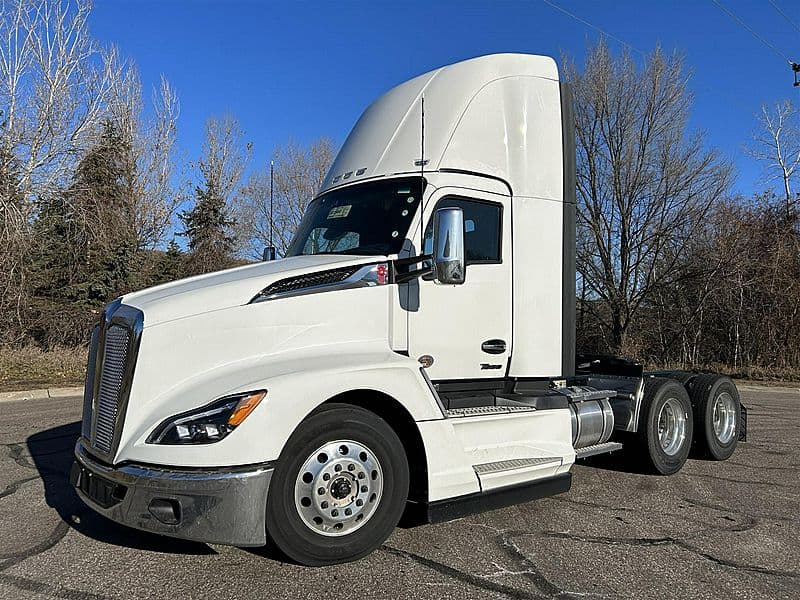
Estimated$180,000 – $240,000
The Kenworth T880 Day Cab is positioned as the heavy-duty workhorse for intermodal operations, with a reinforced frame, generous GVWR choices and excellent upfit flexibility that make it ideal for rugged terminal handling and stacked-container duty. Although its upfront cost and weight profile generally exceed the Cascadia and Volvo VNR, the T880’s durability and higher payload tolerance reduce repair downtime and replacement frequency, producing strong lifecycle value for fleets that prioritize toughness over marginal fuel savings.
Show More Intermodal Container Heavy-Duty Day Cab Tractors
Estimated$200,000 – $260,000
Research Highlights: Efficiency and Fleet Value
Multiple industry and government studies support the benefits of optimized regional day cab tractors. Research into heavy vehicle fuel efficiency, telematics, and predictive maintenance shows that properly specified tractors deliver measurable reductions in fuel consumption, idling, and unscheduled downtime. Studies also find that shorter route profiles and frequent stops favor powertrain choices and braking systems that prioritize regeneration, low friction, and rapid warm-up in cold climates. For Canadian operations, evidence points to strong returns on investments in telematics, aerodynamic aids, and drivetrain efficiency improvements for regional duty cycles.
Telematics and route optimization studies show reductions in fuel use and idle time, improving utilization and lowering operating cost per mile.
Lifecycle cost analyses emphasize that durable transmissions and easier serviceability reduce downtime and maintenance expense for high-turnover short-haul fleets.
Research on electrified and hybrid medium and heavy vehicles indicates total cost of ownership can be lower on regional routes with frequent stops and predictable return-to-base charging.
Cold-climate performance studies recommend engine and aftertreatment options that reach operating temperatures quickly and maintain emissions compliance in Canadian winters.
Frequently Asked Questions
Which day cab tractor is better for Canadian short-haul fleets?
Kenworth T800 Day Cab is a strong pick for three-axle heavy-duty regional work because it’s configurable for tri-axle heavy-haul and vocational applications with multiple axle layouts, with a 4.6 average rating.
What engine options are available on the Kenworth T800 Day Cab?
Kenworth T800 Day Cab lists available PACCAR and Cummins engine options, plus heavy-duty cooling for long, steep runs, and it has a 4.6 average rating.
How does Volvo VNR Natural Gas Day Cab price compare to Kenworth?
The provided info doesn’t include any prices for Volvo VNR Natural Gas Day Cab or Kenworth T800 Day Cab, so I can’t compare value by cost from these details.
Is Volvo VNR Natural Gas Day Cab built for CNG, LNG, or RNG?
Volvo VNR Natural Gas Day Cab supports flexible fuel system options including CNG/LNG/RNG-ready configurations, with OEM integration with fleet management systems, and it has a 4.4 average rating.
Conclusion
These top six regional day cab tractor units for Canada in 2026 reflect the market focus on maneuverability, uptime, and low operating cost. We hope this overview helped you identify the features that matter for regional and short-haul operations. Use the site search to refine by engine type, transmission, telematics options, or fuel type if you want a narrower selection or to expand to long-haul models.