

Canada's Top 6 Medium Duty Tanker Trucks for 2026
Medium duty tanker chassis designed for liquid transport are essential tools across Canada for moving fuel, water, agricultural chemicals, and industrial fluids. Buyers typically choose medium duty tanker trucks for a balance of payload capacity, maneuverability, and lower operating cost compared with heavy duty rigs. Popular configurations include stainless steel tanks for long-term corrosion resistance, and composite tanks for weight savings and chemical compatibility. Key considerations for Canadian buyers include payload optimization to maximize revenue per trip, corrosion resistance against road salt and harsh climates, safety remote shutoffs and pump controls for spill prevention, and compliance-ready mounting systems that simplify upfitting and provincial or federal inspections. For fleets, telematics and winterization options are increasingly requested to improve utilization and to protect liquids in subzero temperatures. In short, the market favors chassis and tank combinations that deliver reliable performance, reduced downtime, and predictable lifecycle cost in the varied Canadian operating environment.
Inception's AI took the time to understand this market in Canada · · How we pickWe may earn a commission on purchases. It never affects our rankings.
Top Picks Summary
Tankmart International Aluminum Fuel Tanker
Tankmart International focuses on lightweight aluminum construction to maximize payload and improve fuel economy, delivering a compelling per-delivery cost advantage over heavier steel designs. Compared to Westank-Willock’s steel durability, Tankmart’s aluminum tanks reduce axle loads and fuel burn, giving faster ROI on high-mileage routes even if initial pricing is comparable to engineered composite models. For operators constrained by gross vehicle weight limits or seeking better fuel performance, Tankmart’s technical choice yields measurable operational savings.
Show More Medium Duty Fuel Tanker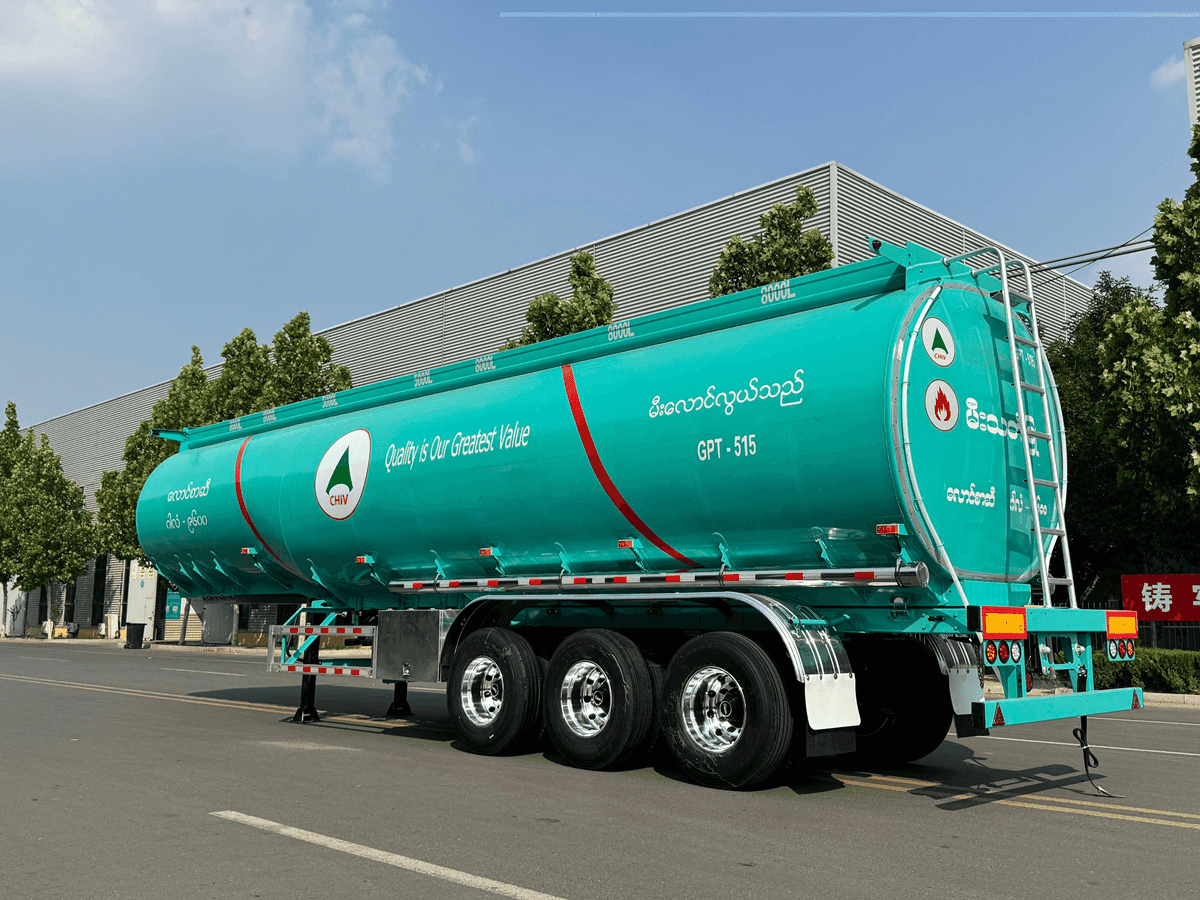
Hutchinson Industries Stainless Steel Tank Truck
Hutchinson Industries is a market leader for fleets seeking rugged medium-duty stainless water tanker trucks backed by an extensive North American service and parts network that minimizes downtime. Its tanks emphasize heavy-duty fittings, chassis-matched builds and proven components that rival Tremcar's durability while often offering more accessible aftermarket support than some specialized European makers.
Show More Medium Duty Water Tanker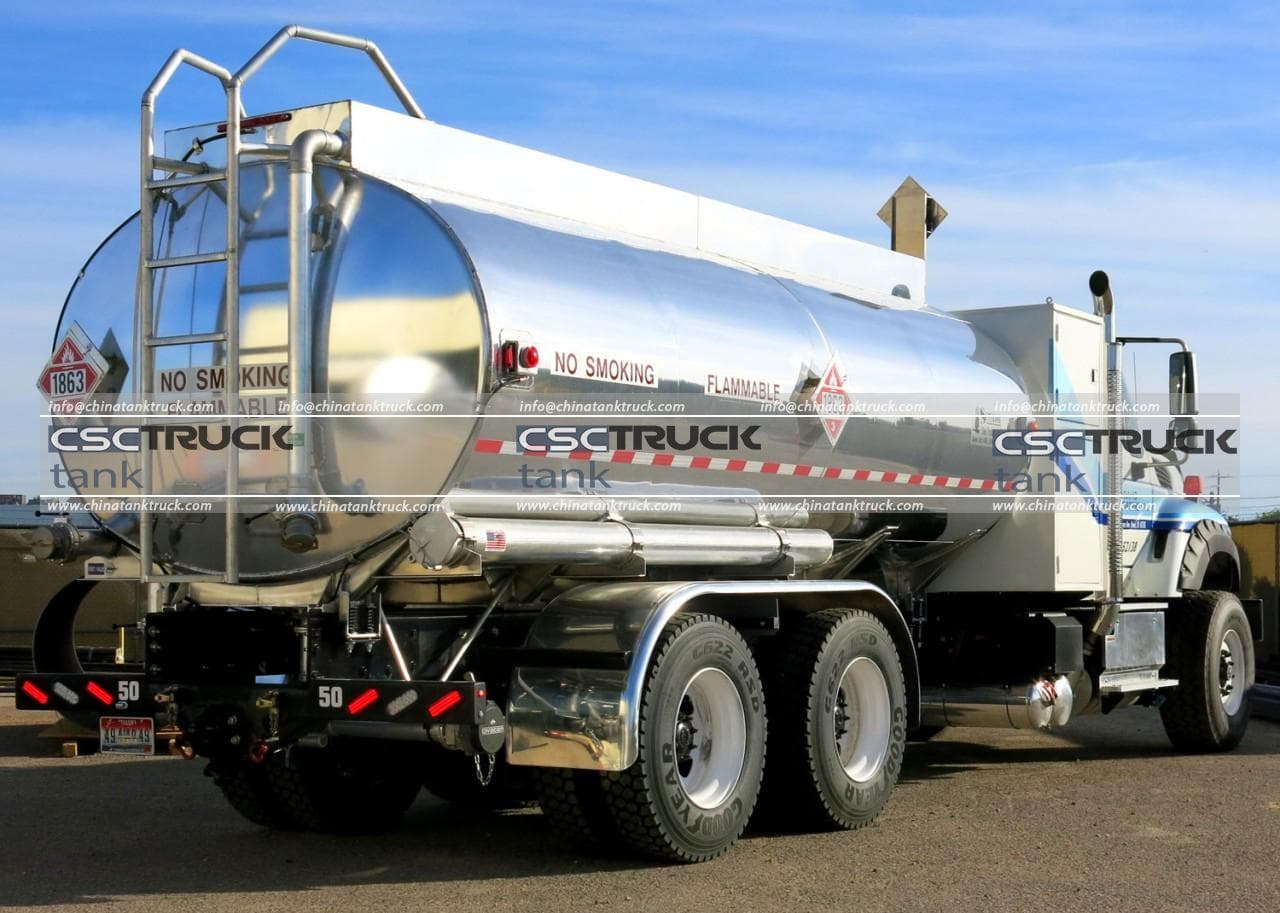
We may earn a commission on purchases. It never affects our rankings.
Estimated$100,000 – $210,000
Tremcar DOT 407 Chemical Tank Trailer
Tremcar's DOT 407 chemical trailer is the market leader in North American medium duty chemical transport thanks to ubiquitous regulatory compliance, a proven aluminum-based chassis that maximizes payload and fuel efficiency, and a broad service network. Its lighter construction delivers lower operating costs and faster payback than heavier stainless designs like Westank, while its standardized spec reduces integration and resale friction compared with more specialized FRP or custom-engineered tanks.
Show More Medium Duty Chemical Tanker
Estimated$110,000 – $220,000
Polar Tank Trailer Food Grade Sanitary Tanker
Polar's Food Grade Sanitary Tanker is a market leader for medium-duty food-grade hauling due to its industry-leading interior finish, CIP-ready plumbing, and tight tolerances that minimize contamination risk and cleaning time. While generally pricier than Tremcar or LBT, Polar's technical advantages in sanitary design and uptime deliver lower operating costs across high-frequency dairy or beverage routes compared with more generalist stainless options.
Show More Medium Duty Food Grade Liquid Tanker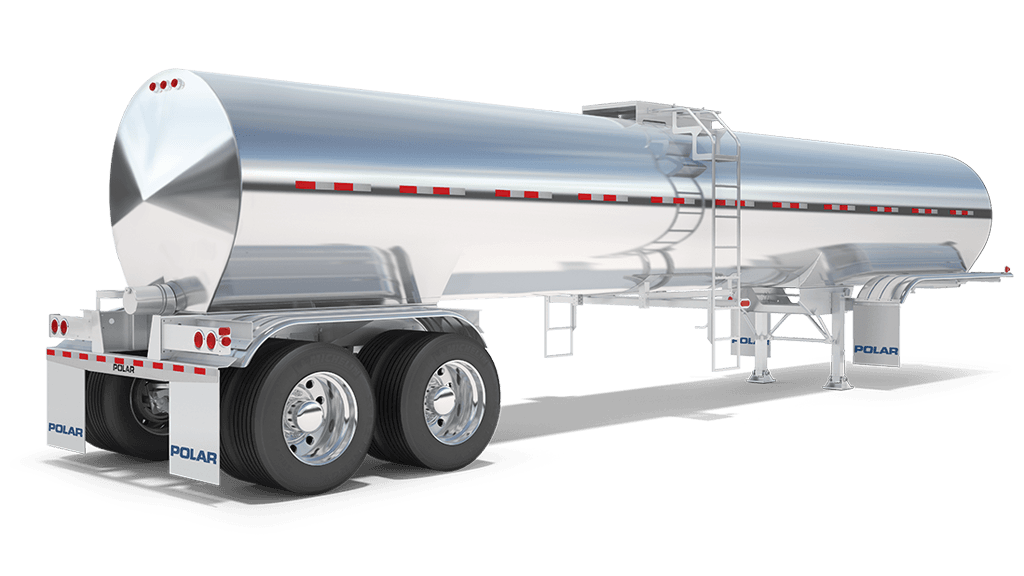
We may earn a commission on purchases. It never affects our rankings.
Estimated$140,000 – $240,000
The Aquatech B-10 is presented as a budget-conscious medium-duty vacuum truck that emphasizes corrosion-resistant construction and fuel-efficient PTO-driven systems to lower total cost of ownership. It competes on an attractive upfront price and efficient day-to-day operation, offering a middle ground between premium heavy-vacuum trucks and the smallest combos; this makes it well suited for departments seeking predictable operating efficiency without the premium of top-tier models. When compared to the high-capacity GapVax or the dealer-backed Vactor, the B-10’s financial appeal is its lower entry price and competitive operating economy.
Show More Medium Duty Vacuum Tanker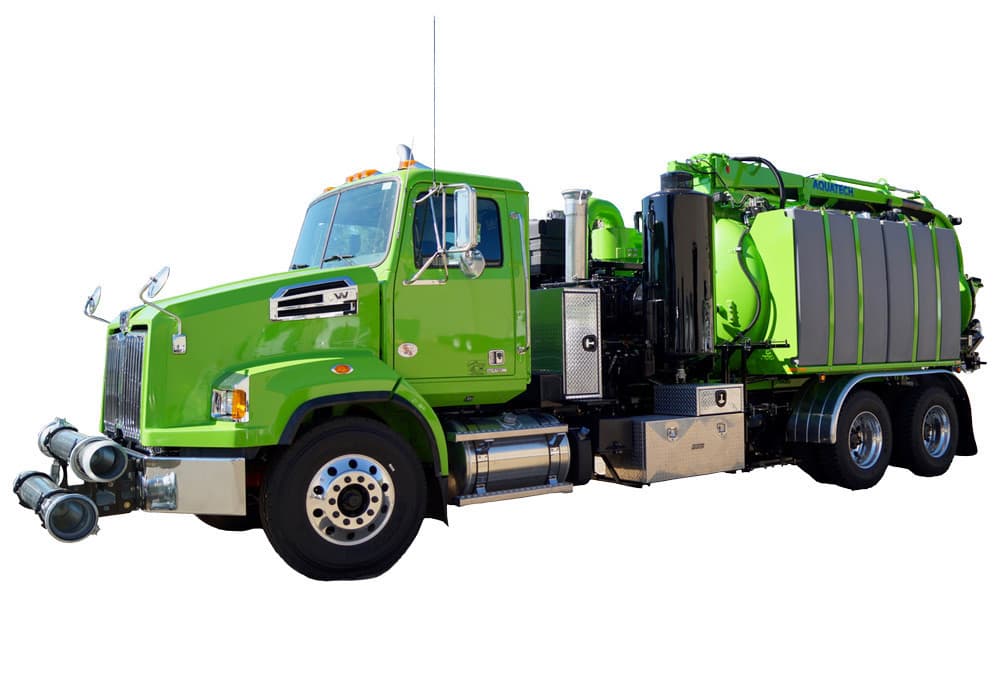
Estimated$140,000 – $260,000
Fort Garry Fire Trucks Pumper Tanker
Fort Garry holds a strong position for medium duty fire water tenders by offering rugged, purpose-built pumper-tankers optimized for rural and cold-climate operations; its straightforward mechanical layouts and cold-weather options make it more cost-effective to operate and maintain than higher-tech European models. Compared with the list, Fort Garry typically undercuts Rosenbauer and Pierce on initial purchase price while delivering better off-road and winter reliability than some lighter-weight competitors.
Show More Medium Duty Fire Water Tender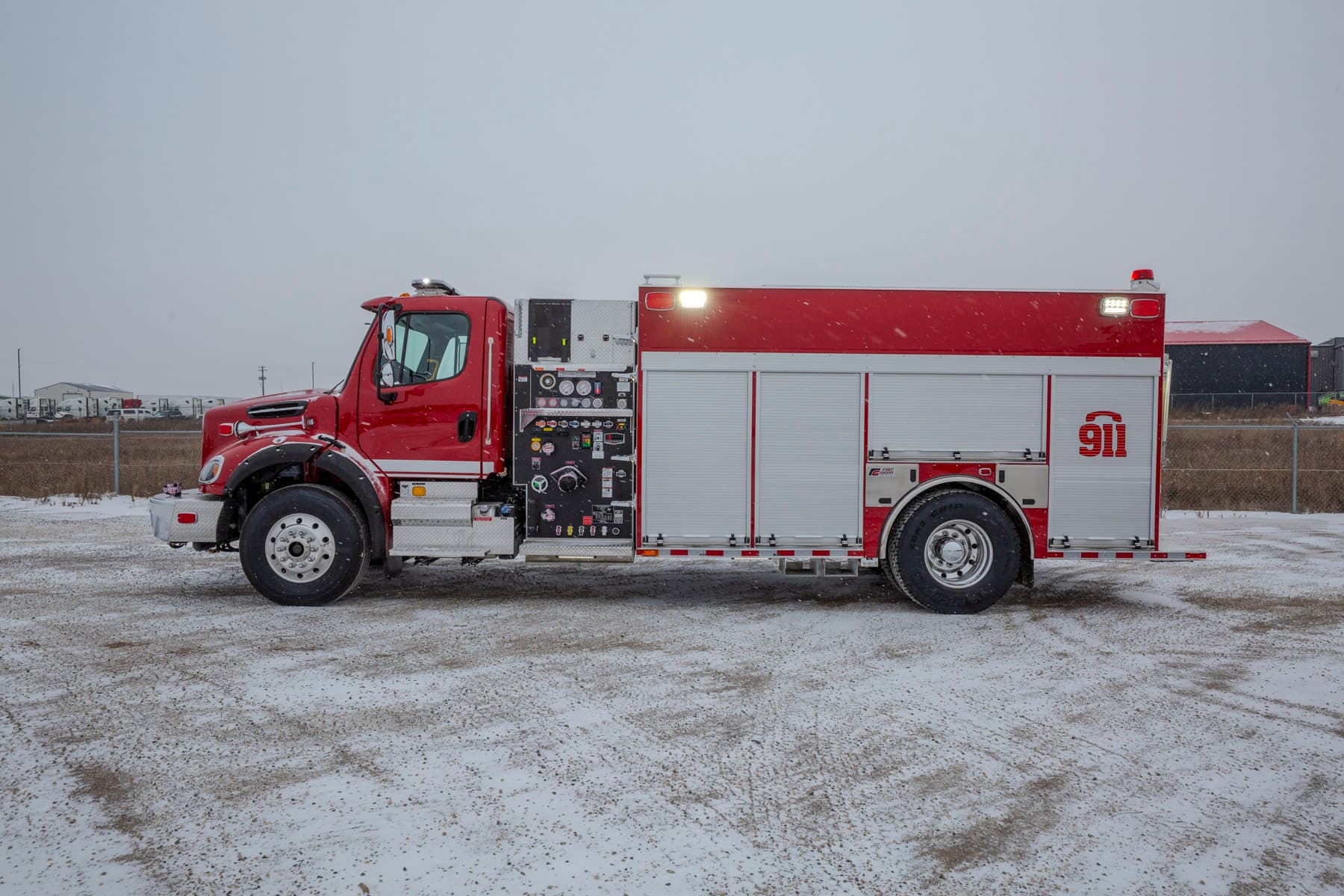
Estimated$260,000 – $420,000
What research and industry testing say about tanker design benefits
A growing body of industry testing and engineering research supports the practical benefits of modern medium duty tanker design. Material choice, system integration, and safety features all influence total cost of ownership, environmental risk, and operational efficiency. Research from university engineering programs, manufacturer laboratories, and fleet trials shows that lighter, corrosion resistant tanks and advanced safety controls measurably reduce fuel use, maintenance needs, and spill incidents. These findings help fleet managers make specification decisions that balance upfront price with long term value.
Material performance: Comparative testing of stainless steel grades (304 versus 316) and composite tank constructions demonstrates that stainless offers superior long term corrosion resistance in salt-exposed environments, while certain composite formulations deliver substantial weight savings and good chemical compatibility for many agricultural and industrial liquids.
Payload and efficiency: Field studies and lifecycle analyses indicate that reducing tare weight through high strength chassis materials and composite or aluminum components can improve payload capacity and fuel efficiency, increasing revenue per trip over the truck life.
Safety systems: Trials of emergency shutoff and remote pump controls show lower frequency and volume of accidental releases, faster emergency response, and reduced environmental cleanup costs when remotely operated safety features are installed and routinely tested.
Compliance and uptime: Standardized, compliance-ready mounting systems and modular tank interfaces shorten upfitting time, simplify inspections, and reduce downtime. Industry reports find that designs built to meet Transport Canada and provincial requirements lower the risk of noncompliance delays and fines.
Telematics and fleet optimization: Controlled trials integrating telematics, temperature monitoring, and pump diagnostics report improved route planning, reduced idle time, and earlier detection of leaks or equipment deterioration, extending service intervals.
Frequently Asked Questions
Which 2026 medium-duty tanker chassis suits potable water fleets?
For potable water delivery, choose the Freightliner M2 106 Water Truck because it uses a proven M2 medium-duty chassis with food-grade stainless steel or aluminum tank options and sanitary fittings for potable upfits, rated 4.6.
What exact tank and delivery features does Freightliner M2 106 include?
The Freightliner M2 106 Water Truck offers food-grade tank options in stainless steel or aluminum with sanitary fittings for potable delivery, plus PTO-driven pump and hose-reel options and upfit-friendly electrical/control layouts.
Is Westech Vac Systems Wolf or Freightliner M2 106 better value?
The page provides average ratings—Westech Vac Systems Wolf is 4.4 and Freightliner M2 106 Water Truck is 4.6—but it does not list any prices, so a value comparison by cost isn’t possible from the given data.
Who should buy Westech Vac Systems Wolf, and who not?
Buy the Westech Vac Systems Wolf if you handle medium-duty sludge vacuuming in harsh or northern conditions, since it’s described as corrosion-resistant and cold-weather ready with integrated filtration and optional reclaim/recycle systems; the data doesn’t indicate it’s for potable delivery.
Conclusion
These medium duty tanker chassis and tank choices represent the practical tradeoffs Canadian buyers face in 2026: corrosion resistance, payload optimization, safety controls, and upfit compatibility. We hope this overview helped you narrow your options. If you want to refine or expand your search by tank material, chassis class, provincial compliance, or specific use case, use the search to filter results or contact a local dealer for tailored specifications.