Top 10 Hair Oils in Canada, 2026
Published on Monday, February 2, 2026
The short answer: coconut oil before you wash, argan or grapeseed after. Coconut oil is one of the few oils that actually penetrates the hair shaft and cuts protein loss during washing, so it earns its keep as a pre-shampoo treatment. Argan, jojoba and grapeseed work mostly on the surface — smoothing the cuticle, adding shine and killing frizz once hair is damp or dry. Below are ten oils sold in Canada, one for each of the main oil types, with what each is genuinely good at and where the marketing runs ahead of the evidence.
Top Picks Summary
- Organix Light Moroccan Argan Oil
- Nutiva Organic Virgin Coconut Oil
- Cliganic Organic Jojoba Oil
- Majestic Pure Castor Oil
- Avalon Organics Tea Tree Scalp Treatment Shampoo
- ORS Olive Oil Nourishing Sheen Spray
- WOW Skin Science Almond Hair Oil
- Biotique Bio Bhringraj Therapeutic Oil
- Maple Holistics Pure Grapeseed Oil
- Briogeo Don't Despair, Repair! Strengthening Treatment Hair Oil
Organix Light Moroccan Argan Oil is a lightweight, nourishing oil that offers deep hydration without weighing hair down. This product is designed to defrizz and smooth, perfect for all hair types seeking a natural, healthy glow. Its unique formulation with Moroccan argan oil helps protect against UV damage, ensuring your hair stays vibrant and radiant. At a competitive price, Organix provides a great balance of quality and affordability for everyday beauty routines.
Show More Argan Hair Oils
Nutiva Organic Virgin Coconut Oil is cold-pressed from fresh, non-GMO coconuts and left unrefined, so it carries the medium-chain fatty acids (including lauric acid) that make coconut oil effective at penetrating and softening hair. Smoothed through mid-lengths and ends as a pre-wash treatment it helps fight dryness and frizz, and the 444 mL jar is equally at home for skin, massage and the kitchen. It is one of the most affordable extra-virgin options on this list.
Show More Coconut Hair Oils
Cliganic USDA Organic Jojoba Oil is a premium quality product that stands out due to its commitment to purity and sustainability. Completely organic and cold-pressed, this jojoba oil retains all its beneficial properties, nurturing both skin and hair. Its versatile nature makes it perfect for moisturizing, promoting hair growth, and even as a makeup remover. Customers appreciate its non-greasy feel, making it a staple in their skincare routines.
Show More Jojoba Hair Oils
Majestic Pure Castor Oil offers a high-quality, cosmetic-grade oil that is perfect for a range of beauty applications. Known for its thick consistency and rich nutrient profile, it helps to promote hair growth, nourish the scalp, and enhance the appearance of eyelashes and eyebrows. The oil is unrefined and cold-pressed, ensuring that it retains its natural properties for optimal efficacy. With its affordable pricing and impressive results, it has carved a niche in the beauty industry.
Show More Castor Hair Oils
Avalon Organics Tea Tree Scalp Treatment Shampoo is a natural, organic solution that effectively cleanses the scalp while addressing issues like dandruff and irritation. Packed with tea tree oil and other botanical ingredients, this shampoo promotes a balanced scalp environment. Its gentle formulation is free from sulfates and synthetic fragrances, making it a great choice for those seeking a more natural hair care routine. This shampoo stands out for its commitment to sustainability and organic ingredients.
Show More Tea Tree Hair Oils
ORS Olive Oil Nourishing Sheen Spray is a unique product designed to add instant shine while also moisturizing and protecting hair. Formulated with olive oil, it helps combat dryness and frizz, making your hairstyle look vibrant and polished. Ideal for use on natural, relaxed, or curly hair, this sheen spray is versatile and easy to use, providing a lightweight finish without any greasy residue. ORS is known for their focus on healthy hair solutions, making this product a standout in the market.
Show More Olive Hair Oils
WOW Skin Science Almond Hair Oil is renowned for its nourishing properties that promote healthy hair growth and enhance shine. Enriched with natural ingredients, it provides deep hydration and helps reduce hair breakage while adding a protective layer. Its lightweight formula makes it ideal for daily use, ensuring that your hair feels soft and manageable. This oil stands out for its commitment to cruelty-free practices and eco-friendly packaging.
Show More Almond Hair Oils
Biotique Bio Bhringraj Therapeutic Oil stands out with its unique blend of Ayurvedic ingredients known for promoting hair health. This oil is specially formulated to invigorate the scalp and nourish the hair strands, making it perfect for those dealing with hair thinning or lack of luster. With a commitment to natural ingredients, Biotique offers a soothing experience that rejuvenates both hair and scalp. Its eco-friendly approach appeals to the conscious consumer looking for effective and responsible hair care.
Show More Amla Hair Oils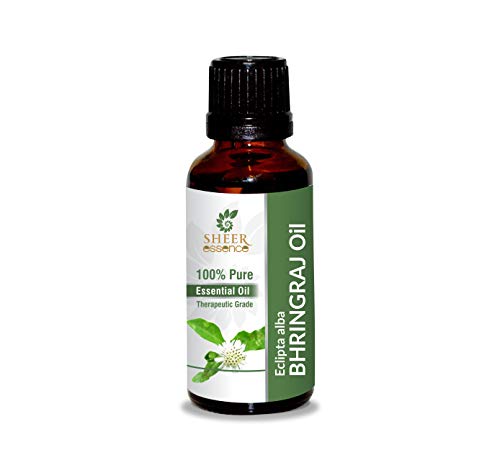
Maple Holistics Pure Grapeseed Oil is celebrated for its high purity and effectiveness. This oil provides a multitude of benefits, including hydration, skin repair, and improvement in complexion, making it ideal for various skin types. Its non-comedogenic nature means it won't clog pores, making it perfect for facial treatments. Committed to natural ingredients, Maple Holistics also emphasizes transparency and quality, backed by positive customer feedback.
Show More Grapeseed Hair Oils
Briogeo Don't Despair, Repair! Strengthening Treatment Hair Oil is recognized for its clean, cruelty-free formula designed to provide repair and nourishment to distressed hair. This oil stands out because it includes a blend of vitamins, oils, and biotin that work to strengthen hair and improve elasticity. With a focus on inclusivity and catering to all hair types, Briogeo has made a name for itself in the hair care industry. Users rave about the non-greasy texture and effectiveness of this treatment.
Show More Avocado Hair Oils
The best hair oils match texture to hair type — light wax esters like jojoba for fine hair, penetrating coconut oil for pre-wash repair, and surface oils like argan for shine and frizz control.
How to Pick a Hair Oil
Which oil, how much, and where in the routine — the parts that actually change the result.
Coconut oil penetrates the hair shaft and reduces protein loss during washing, which is why it works best applied before shampooing rather than after.
Argan, grapeseed and most “serum” oils sit on the cuticle: they smooth, shine and de-frizz, but they do not repair the cortex.
Jojoba is a liquid wax ester close to human sebum, so it absorbs fast and is the safest bet for fine or easily weighed-down hair.
Castor oil is thick and best diluted. Its growth reputation comes from scalp massage and less breakage, not from proven follicle stimulation.
Start with two or three drops on mid-lengths and ends. Oil applied at the roots is what makes hair look greasy, not the oil itself.
Oils seal and disguise split ends; they cannot mend them. Only cutting does that.
Frequently Asked Questions
Which hair oil is best for dry, damaged hair?
Briogeo Don't Despair, Repair! Strengthening Treatment Hair Oil ($31.99 CADrated 4.8) is the repair-focused pick here: ceramides reinforce the hair's own lipid layer and a macadamia-derived emollient stands in for the silicones most shine serums rely on. It is a 1 oz / 30 mL bottle, so it is dosed in drops on the ends rather than poured.
What is the cheapest hair oil on this list?
Nutiva Organic Virgin Coconut Oil at $11.49 CADfor a 444 mL jar — by a wide margin the lowest cost per millilitre. It is unrefined, cold-pressed and USDA Organic, and it works best as a pre-shampoo treatment on mid-lengths and ends.
Does Cliganic USDA Organic Jojoba Oil work for skin as well as hair?
Yes. It is 100% jojoba — cold-pressed, unrefined, hexane-free and USDA Organic, 120 mL, CA$13.99, rated 4.7. Jojoba is a liquid wax ester close to human sebum, so it absorbs without a greasy film and is used on face, cuticles and hair alike.
Is the Avalon Organics tea tree product sulfate-free?
Not strictly. Avalon Organics Scalp Treatment Tea Tree Shampoo (CA$20.56) leaves out sodium laureth sulfate, parabens, synthetic colours and synthetic fragrance, but its cleansing base is sodium coco-sulfate — a milder sulfate, but a sulfate. It is also a rinse-out shampoo rather than a leave-in oil; it sits here as the tea tree scalp option.
Conclusion
Pick by hair type first and oil type second: fine hair to jojoba or grapeseed, thick or coarse hair to coconut or castor, everyday frizz to argan. Each oil type below also has its own page if you want to compare within a single category.