

Top 5 Hair Extensions & Wigs in Canada — 2026 Guide
Hair extensions and wigs are a fast-growing category in Canada, combining style, convenience, and practical solutions for hair loss or temporary transformation. By 2026 Canadian shoppers favor high-quality Remy human hair for durability and natural look, alongside advanced synthetic fibers that offer affordability and heat-resistance. Popular formats include clip-in extensions, tape-in and micro-link extensions, lace front and glueless wigs, and custom prosthetic wigs for medical hair loss. Consumers choose extensions and wigs for instant length and volume, low-commitment color experimentation, protective styling to reduce heat and chemical damage, and to support confidence during hair thinning or medical treatment. Regional factors such as cold, dry winters in many provinces and humid summers in coastal areas also shape product preferences and aftercare routines. Ethical sourcing, transparent supply chains, and sustainable packaging are increasingly important for Canadian buyers alongside social-media driven trends and salon partnerships that help with fit and installation.
Inception's AI took the time to understand this market in Canada · · How we pickWe may earn a commission on purchases. It never affects our rankings.
Top Picks Summary
Luxy Hair Classic Clip-In Extensions
Luxy Hair's Classic Clip-In Extensions are a best-in-class consumer option offering soft Remy human hair, a wide shade range and reliable clip construction, making them ideal for fast, reversible changes in the hair extensions wigs category. They strike a strong value-to-quality balance for everyday users compared with salon-grade wefts like Bellami and are a lower-cost, lower-commitment alternative to full wigs from Jon Renau or Raquel Welch.

Estimated$250 – $350
Bellami Hair Silk Seam Extensions
Bellami Hair's Silk Seam Extensions deliver salon-grade wefts with a near-invisible seam and higher density for professional styling and long-term wear, positioning them as the technical choice for stylists and committed wearers in the hair extensions wigs market. While they require more investment and installation expertise than clip-ins or halo options, their durability and styling flexibility make them financially sensible for repeat, high-use clients compared with disposable or temporary solutions.

Estimated$180 – $280
Jon Renau SmartLace Human Hair Wig
Jon Renau's SmartLace Human Hair Wig leads the wig category by combining a realistic lace front with premium human hair for the most natural, full-coverage solution in the hair extensions wigs space. It commands a higher price than extensions but delivers immediate, consistent coverage and styling longevity that outperforms many synthetic or semi-permanent options when realism and long-term wear are priorities.
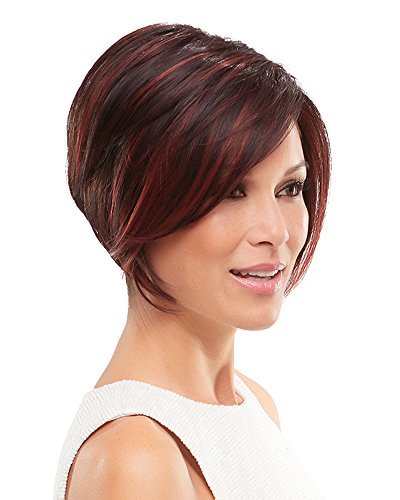
Raquel Welch Signature Collection Wig
The Raquel Welch Signature Collection Wig is a market leader for branded, fashion-forward wigs that offer salon-ready shape and trend-conscious styles straight out of the box, making it a go-to for shoppers seeking low-maintenance glamour within the hair extensions wigs category. It provides a convenient, often more affordable route to a polished look than investing in full bespoke human-hair systems like Jon Renau, while carrying the premium appeal of a celebrity-backed line.


What research and clinical guidance say about extensions and wigs
Scientific and clinical studies provide clear guidance on benefits and risks associated with hair extensions and wigs. Research in dermatology highlights traction alopecia risk when extensions are applied with excessive tension or left in too long, and it shows adhesives or bonding agents can cause contact dermatitis in sensitive users. Clinical studies and quality of life research indicate that well-fitted wigs and hair prostheses significantly improve psychological well-being for people experiencing hair loss. Materials science research documents improvements in synthetic fiber heat resistance and durability, while consumer science traces how proper care routines extend the usable life of human hair pieces. Taken together, the evidence supports careful selection, professional fitting when possible, regular maintenance, and choosing materials that match the wearer’s lifestyle and scalp sensitivity.
Traction and installation: Dermatology studies link prolonged tension from poorly fitted or heavy extensions to traction alopecia; professional installation and correct sizing reduce this risk.
Adhesives and sensitivities: Clinical reports document contact dermatitis from glues and tapes; hypoallergenic adhesives and skin patch testing are recommended for sensitive users.
Psychological benefits: Quality of life research shows wigs can improve self-esteem and social confidence for people with medical hair loss.
Material performance: Lab testing on modern synthetic fibers shows many are heat resistant and retain style better than older synthetics, though human Remy hair still outperforms for longevity and heat styling.
Care and longevity: Consumer science indicates that Remy human hair, with correct washing and conditioning routines, can last significantly longer than synthetic options, making it more cost-effective over time.
Environmental and ethical factors: Emerging lifecycle analyses highlight the environmental footprint of production and disposal; demand for sustainably sourced and recyclable packaging is rising among Canadian shoppers.
Conclusion
This page highlights the hair extensions and wigs category for Canada in 2026 and currently lists 0 featured options due to undefined selection criteria. We hope this overview helped you understand the benefits, trends, and safety considerations. Use the search or refine filters to expand or narrow results, select styles that match your climate and lifestyle, and consider professional fitting for the best outcome.