

Top 5 At-Home Laser & IPL Hair Removal Devices in Canada, 2026
Published on Thursday, January 1, 2026
Almost every "laser" hair removal device sold to Canadian shoppers is not actually a laser. Of the five devices on this page, only the Tria Beauty Hair Removal Laser 4X uses a true diode laser; the Braun Silk-expert Pro 5, Philips Lumea Prestige and Bosidin D1170 are IPL (intense pulsed light) flashlamps, and the Silk'n Infinity 2.0 uses eHPL, a pulsed-light system paired with galvanic energy. Both approaches work the same way — light absorbed by melanin in the hair shaft heats the follicle — which is why both deliver long-term hair reduction rather than permanent removal, and why neither works on white, grey, red or light-blonde hair. This page sorts the marketing language from what each device actually is, and covers what Canadian buyers should check before ordering.
Top Picks Summary
Braun Silk-expert Pro 5 PL5137 IPL
The Braun Silk-expert Pro 5 PL5137 IPL stands out with its SensoAdapt technology that automatically adapts the light intensity to your skin tone, ensuring safety and effectiveness. Its fast treatment times and long-lasting results make it a leading choice for hair removal. Additionally, it is designed for both body and face, providing versatility in use. With over 400,000 flashes, this device promises durability for long-term use.

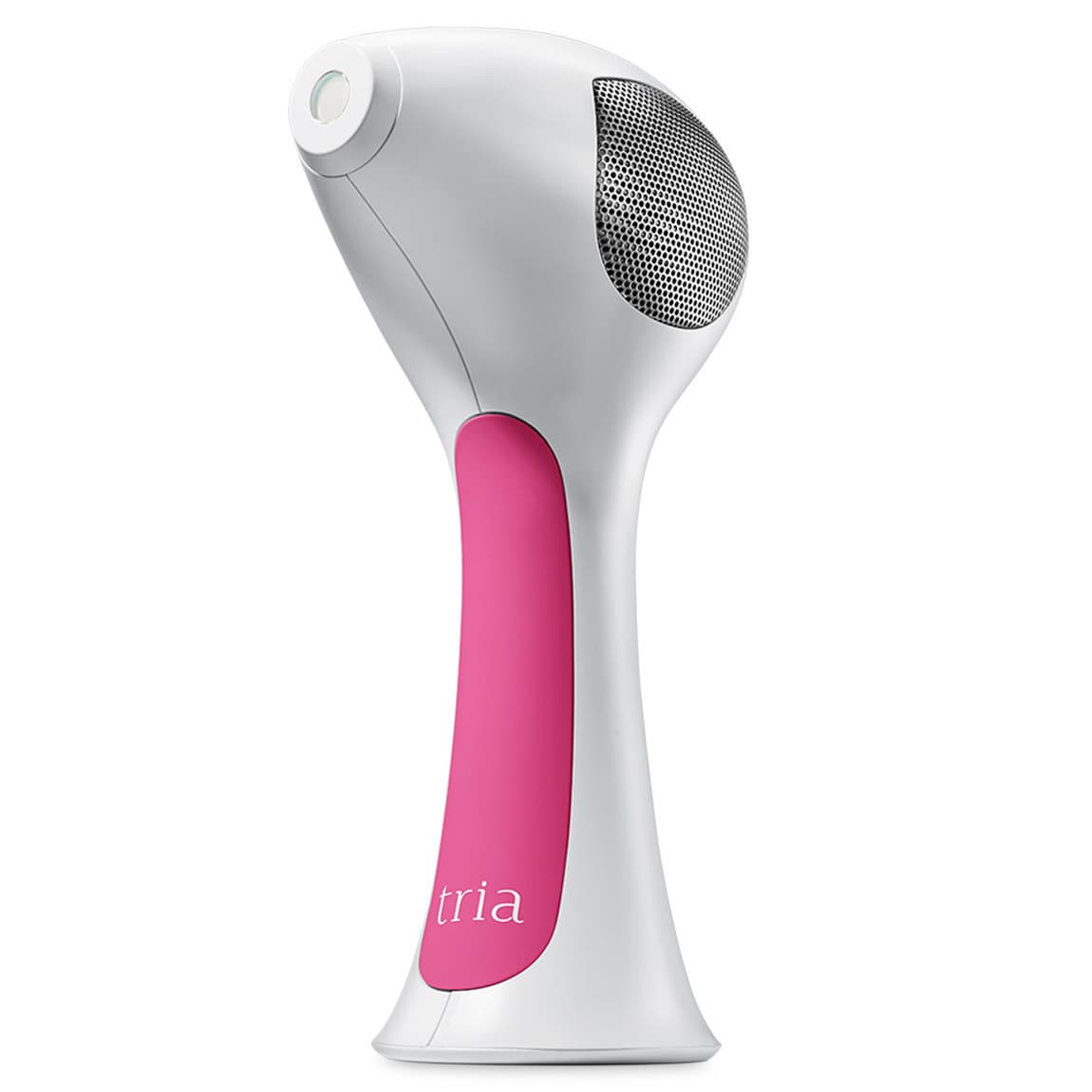
Tria Beauty Hair Removal Laser 4X
The Tria Beauty Hair Removal Laser 4X is notable for being the first FDA-cleared at-home device to use a true 810 nm diode laser — the same melanin-targeting technology used in clinics, and the only genuine laser among the devices on this page. It delivers permanent hair reduction rather than permanent removal, and its roughly 1 cm treatment window means precise but slower coverage than IPL devices. The cordless rechargeable design runs about 30 minutes per charge. It is limited to Fitzpatrick I–IV skin with naturally brown or black hair.
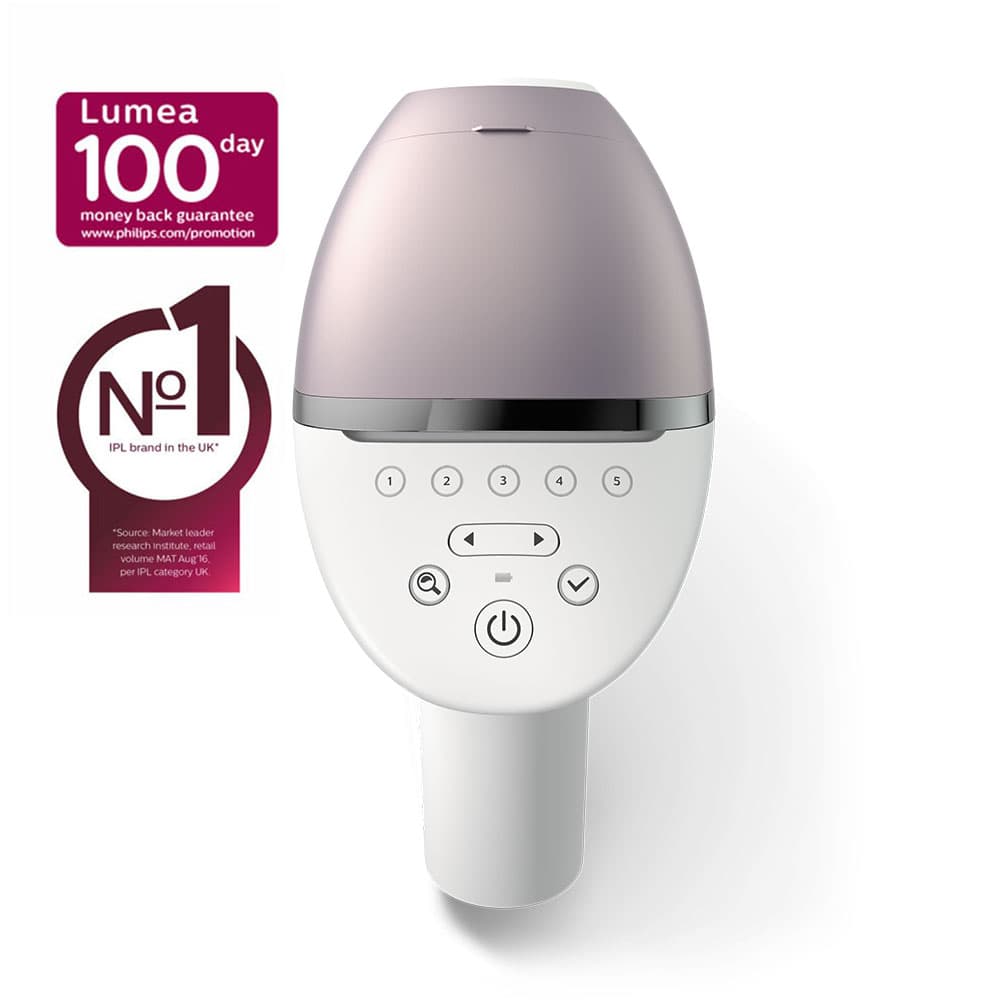
Philips Lumea Prestige BRI947 IPL
The Philips Lumea Prestige BRI947 IPL delivers salon-style results at home using IPL paired with Philips' SenseIQ/SmartSkin sensor, which reads your skin tone and recommends the most comfortable light setting. It ships with four curved smart attachments shaped for the body, face, bikini line and underarms, so light reaches both large and hard-to-reach areas. This is the corded BRI947/00 model, which keeps power constant across longer full-leg sessions rather than relying on a battery.
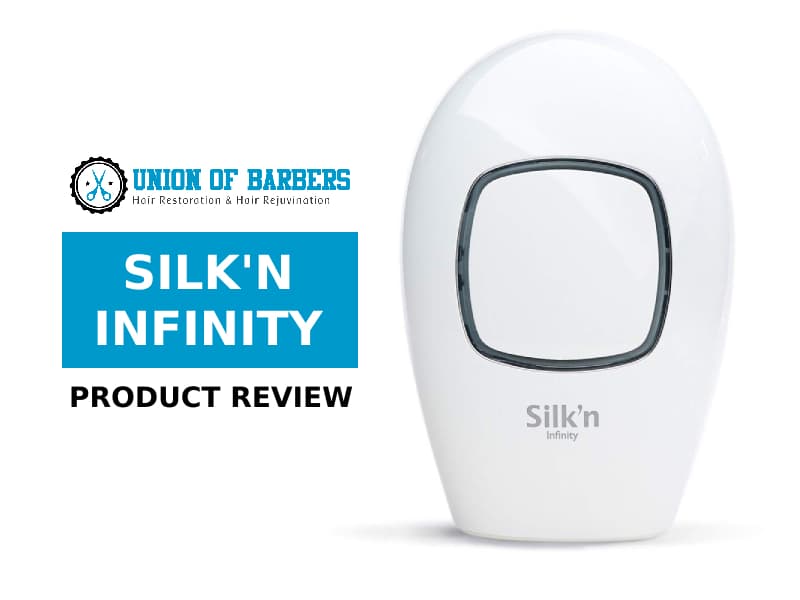
Silk'n Infinity 2.0 Hair Removal Device
The Silk'n Infinity 2.0 Hair Removal Device uses eHPL (enhanced Home Pulsed Light), which combines optical pulsed light with galvanic energy rather than a laser — the galvanic current briefly widens pores so the light reaches the hair shaft more easily. It is FDA-cleared, treats both large and sensitive areas quickly, and its lamp is rated for unlimited pulses, so there is no cartridge to replace. Like all melanin-targeting devices it suits light brown to black hair on light to dark-brown skin, and will not work on white, grey, red or blonde hair.
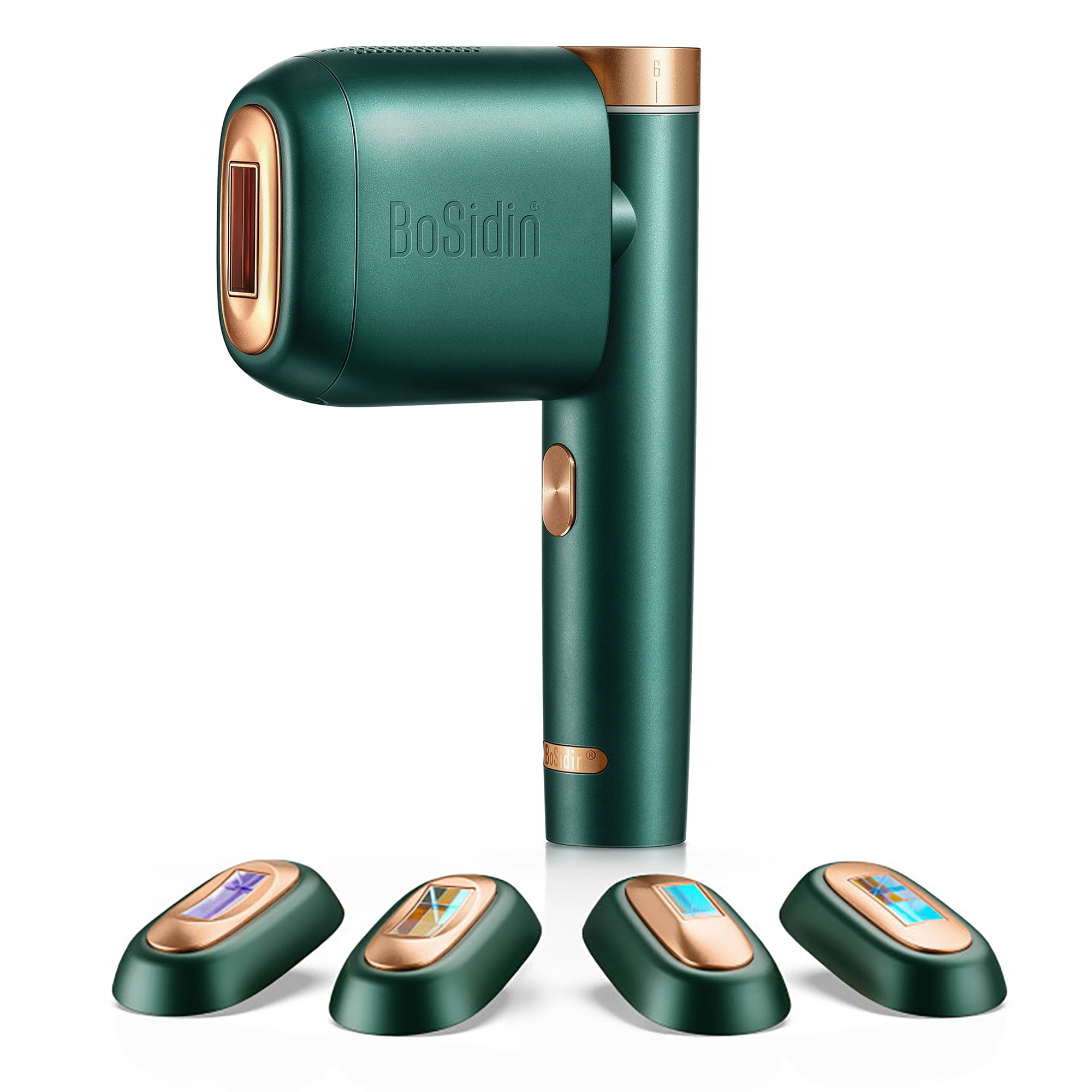
Bosidin D1170 Permanent Hair Removal Device
The Bosidin D1170 Permanent Hair Removal Device is an IPL device, not a laser, despite the wording used in marketplace listings: it uses OPT (Optimal Pulse Technology), a refined form of intense pulsed light, to heat hair follicles for long-term hair reduction. A built-in ice-cooling contact plate makes treatment more comfortable, and a large treatment window makes full-area passes faster than spot-treatment devices. It offers six adjustable energy levels and simple at-home controls, and is intended for Fitzpatrick I–IV skin.
At-home hair removal devices use light absorbed by hair melanin to weaken follicles; the meaningful differences are laser versus IPL, the Fitzpatrick range each device is safe for, whether it has a skin-tone sensor, and how many flashes the lamp is rated for.
Laser vs IPL: What Canadian Buyers Should Know
How at-home hair removal devices actually work, who they work for, and what to verify before buying in Canada.
Laser and IPL are not the same thing. A diode laser emits a single wavelength at one target; IPL is a broad-spectrum flashlamp filtered across a range. Most at-home devices, including three of the five here, are IPL despite "laser" appearing in listing titles.
The correct claim is permanent hair reduction, not permanent removal. Treated follicles thin and shed, but maintenance sessions are normally still needed — no at-home device eliminates hair for life.
Both technologies target melanin, so they are ineffective on white, grey, red and light-blonde hair, and carry a real burn and hyperpigmentation risk on deeper skin tones (Fitzpatrick V–VI) unless the device is specifically cleared for them. Check each device's stated Fitzpatrick range and whether it has a skin-tone sensor.
In Canada, laser and IPL hair-removal systems are regulated under the Food and Drugs Act, and classification depends on the claims made for the device: systems presented for medical or clinical use are Class II–III medical devices requiring a Health Canada Medical Device Licence, while a device marketed purely as a cosmetic appliance may carry no licence at all. Lasers are also subject to the Radiation Emitting Devices Act.
You can check any device or company for free in MDALL, Health Canada's Medical Devices Active Licence Listing — no login required. Marketplace grey imports frequently have no Canadian licence, no Canadian establishment licence holder, and no local warranty or service path.
Flashes per lamp is the real cost-per-use number. The Braun Silk-expert Pro 5 is rated for 400,000 flashes and the Silk'n Infinity 2.0 states unlimited pulses with no lamp replacement; on devices where the lamp is not user-replaceable, the flash count is effectively the device's lifespan.
Never flash near the eyes, and skip treatment over tattoos, dark moles, or areas of active infection. Photosensitising medication, recent sun exposure and pregnancy are standard contraindications listed in device manuals — read yours before the first session.
Frequently Asked Questions
Which of these devices is an actual laser, and which are IPL?
Only the Tria Beauty Hair Removal Laser 4X is a true laser — an 810 nm diode laser. The Braun Silk-expert Pro 5 PL5137 IPL, Philips Lumea Prestige BRI947 IPL and Bosidin D1170 Permanent Hair Removal Device are IPL (intense pulsed light) flashlamps, and the Silk'n Infinity 2.0 Hair Removal Device uses eHPL, which pairs pulsed light with galvanic energy. "Laser" in a marketplace listing title is not a reliable indicator of the technology inside.
Do these devices need a Health Canada medical device licence?
It depends on how the device is presented. In Canada, laser and IPL hair-removal systems marketed for medical or clinical use are Class II–III medical devices that require a Health Canada Medical Device Licence, while a unit sold purely as a cosmetic appliance may carry no licence. You can check any device or manufacturer for free in MDALL, Health Canada's Medical Devices Active Licence Listing. Devices shipped into Canada through marketplace grey-import routes often have no Canadian licence and no Canadian warranty or service.
Is at-home hair removal actually permanent?
No. Both laser and IPL deliver permanent hair reduction, not permanent removal — hair grows back finer and sparser, and most people need periodic maintenance sessions to hold the result. Because both work by heating melanin in the hair, they do not work on white, grey, red or light-blonde hair, and they carry burn and hyperpigmentation risk on Fitzpatrick V–VI skin unless the device is specifically cleared for those tones.
Which device suits the widest range of skin tones?
Braun Silk-expert Pro 5 PL5137 IPL is the practical pick because its SensoAdapt skin tone sensor reads your tone up to 80 times per second and adjusts light intensity automatically, across 10 intensity levels and 400,000 flashes; it's rated 4.7. It is an IPL device, not a laser, and like every device here it still will not work on white, grey, red or light-blonde hair.
Conclusion
If you want a true laser, the Tria 4X is the one on this list — but it treats a roughly 1 cm spot at a time and is limited to Fitzpatrick I–IV skin with brown or black hair. If you want speed over a full body, the IPL devices cover far more area per pass. Before you order from a marketplace, look the device or company up in Health Canada's MDALL listing and confirm your hair and skin tone fall inside the device's stated range. Use our search bar if you want to dig into a specific model.