

Best Particulate Matter Analyzers in Canada 2026: Top 5 Picks
Particulate matter analyzers measure the concentration and size distribution of airborne particles emitted by vehicles and other sources, providing critical data for compliance with air quality standards and for informed decision making. In Canada, these instruments are used by environmental agencies, vehicle inspection services, research institutions, and private fleet operators to track PM2.5 and PM10 levels, evaluate mitigation strategies, and meet provincial and federal monitoring requirements. Canadian buyers tend to prefer analyzers that combine proven accuracy, ruggedness for varied climates, easy data integration with monitoring networks, low maintenance, and strong local support. Cost per sample, portability for field testing, and compatibility with regulatory methods are also major factors shaping purchasing decisions across municipal, industrial, and research markets.
Inception's AI took the time to understand this market in Canada · · How we pickWe may earn a commission on purchases. It never affects our rankings.
Top Picks Summary
TSI DustTrak DRX 8533
The TSI DustTrak DRX 8533 is a portable, real-time aerosol photometer that provides size-segregated mass concentration across multiple channels, making it best-in-class for field surveys and indoor/outdoor co-located studies. It balances fast response and lower upfront cost compared with reference-grade instruments like the Thermo TEOM 1405, while offering higher time resolution and easier deployment than heavier, more complex instruments such as the Grimm EDM 180, though it sacrifices some absolute accuracy versus true reference methods.
Estimated$12,000 – $20,000
Thermo Scientific TEOM 1405
The Thermo Scientific TEOM 1405 is a reference-oriented tapered element oscillating microbalance (TEOM) that excels at continuous mass measurement and long-term regulatory monitoring due to its high stability and low drift. It is positioned as the market leader for accuracy and regulatory acceptance compared to sensor-based and optical monitors like the DustTrak DRX and Aeroqual AQS 1, but it carries higher capital and maintenance costs and offers less portability for short-term field campaigns.

Estimated$25,000 – $45,000
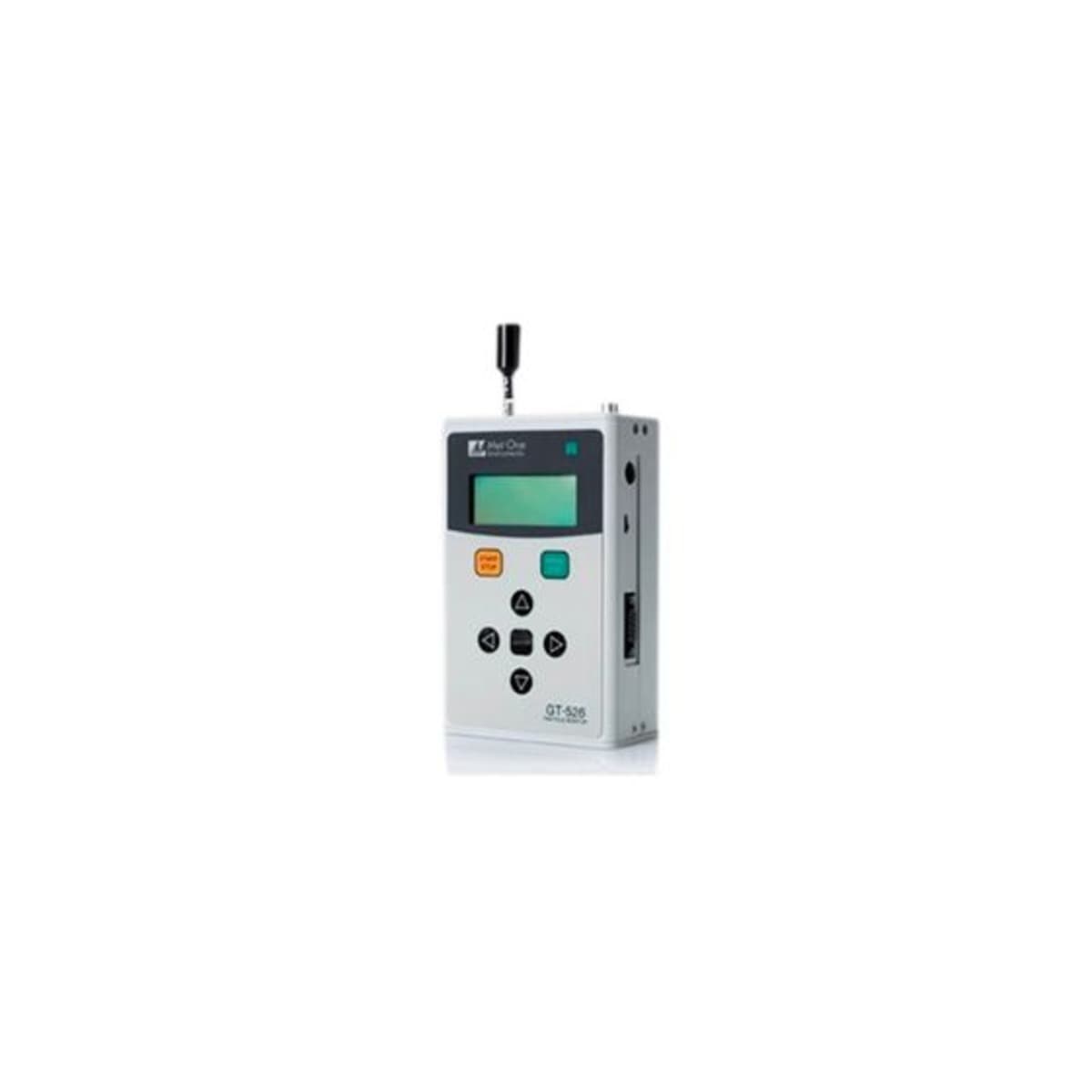
Met One Instruments GT-526S
The Met One GT-526S is a compact optical particle counter designed for cost-effective networked monitoring and robust outdoor deployment, offering straightforward maintenance and low operating costs. It provides a practical middle ground between lower-cost sensor stations (Aeroqual AQS 1) and high-end spectrometers (Grimm EDM 180), trading some size-resolved precision for affordability and ease-of-use in multi-site networks.
Estimated$8,000 – $14,000
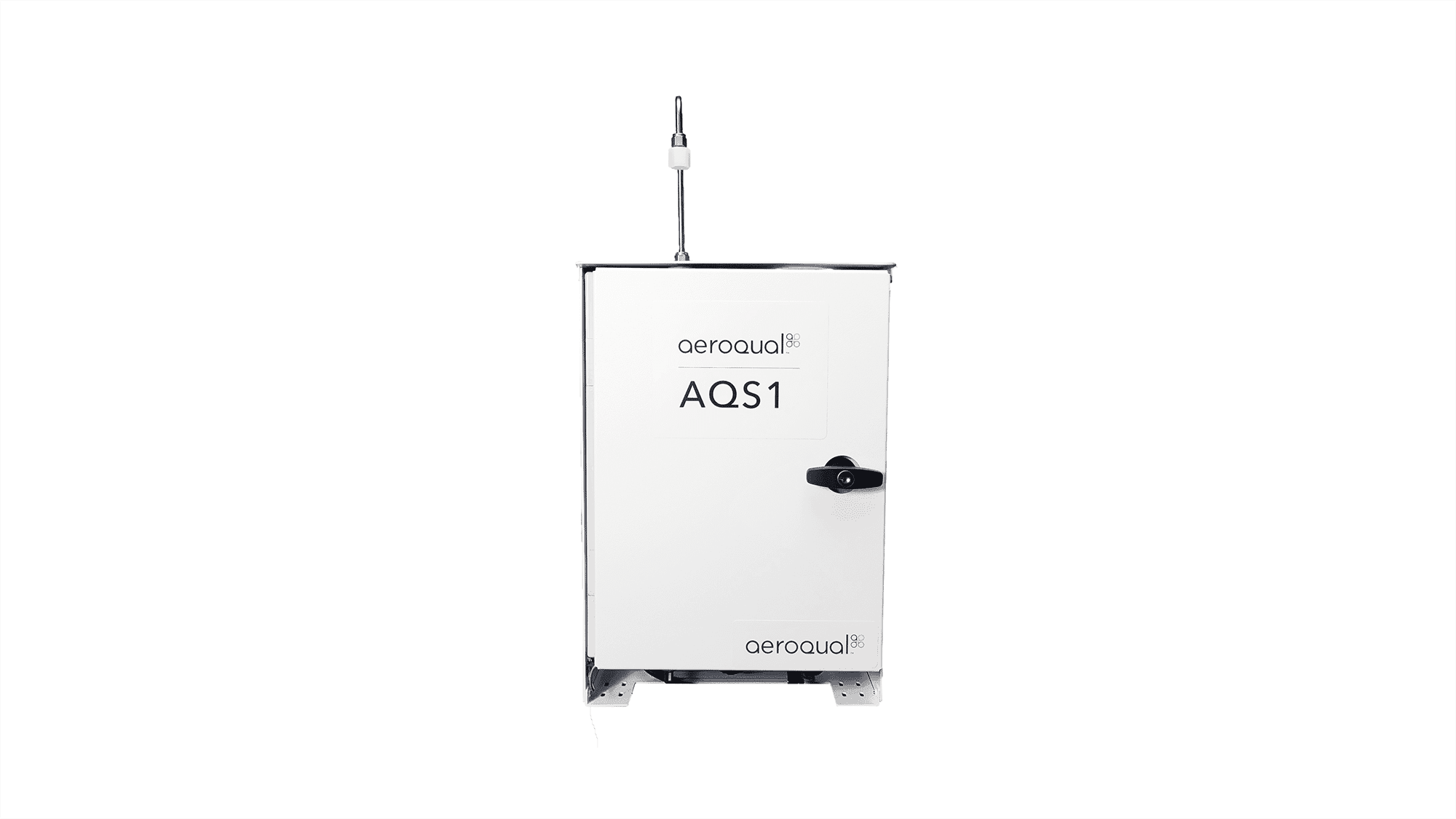
Aeroqual AQS 1
The Aeroqual AQS 1 is a modular, sensor-based air quality station optimized for low-cost, scalable PM monitoring and rapid urban deployments with integrated data telemetry. While it cannot match the gravimetric or TEOM-level accuracy of the Thermo TEOM 1405 or the high-resolution sizing of the Grimm EDM 180, its low purchase price and simple cloud-enabled operation make it the most economical choice for dense sensor networks and preliminary exposure surveys.
Grimm EDM 180
The Grimm EDM 180 is a high-resolution optical aerosol spectrometer that delivers detailed particle size distributions and accurate mass estimates across a wide size range, making it the technical leader for research-grade particulate characterization. It outperforms low-cost monitors in sizing fidelity and data quality, but its higher capital cost and operational complexity make it less convenient for portable or large distributed deployments compared with instruments such as the DustTrak DRX and Met One GT-526S.

Estimated$18,000 – $35,000
Why Particulate Matter Analyzers Matter and What Science Says
Scientific research and regulatory reports consistently show that particulate matter, especially fine particles like PM2.5, is linked to respiratory and cardiovascular health impacts. Continuous and accurate monitoring of particulate matter supports compliance with Canadian Ambient Air Quality Standards and local management of air pollution sources. Multiple validated measurement approaches exist, including gravimetric reference methods, beta-attenuation, tapered element oscillating microbalance, and optical particle counters. Each method has trade offs in sensitivity, temporal resolution, and operational cost. For practical deployments, combining reference-grade instruments for compliance monitoring with optical or portable instruments for investigations and screening yields the best balance of accuracy and coverage.
Health impacts: Numerous epidemiological studies and World Health Organization guidelines confirm links between PM2.5 exposure and increased risk of heart disease, stroke, and respiratory illness.
Canadian standards: Monitoring helps meet Canadian Ambient Air Quality Objectives and supports provincial compliance and reporting frameworks.
Method comparisons: Gravimetric methods remain the reference standard for mass concentration, while TEOM and beta-attenuation provide continuous, regulatory-grade measurements; optical sensors offer rapid, size-resolved data for screening and source identification.
Data quality: Regular calibration, co-location with reference instruments, and adherence to data quality objectives are essential for reliable results.
Use cases: Field screening of vehicle emissions, stationary monitoring at urban hotspots, emissions testing for fleets, and research-grade campaigns all benefit from choosing the analyzer type that matches the measurement goals.
Frequently Asked Questions
Which PM analyzer should I buy for field surveys in Canada?
Choose the TSI DustTrak DRX 8533 for Canadian field surveys and indoor/outdoor co-located studies, since it’s a portable real-time aerosol photometer that reports size-segregated mass concentrations across multiple channels and has a 4.6 average rating.
Does the Thermo TEOM 1405 provide continuous mass measurements?
Yes—Thermo Scientific TEOM 1405 uses Tapered Element Oscillating Microbalance (TEOM) technology for continuous, traceable mass measurements with stable baseline and low drift, and it has a 4.4 average rating.
What value do I get with Met One GT-526S pricing?
The Met One Instruments GT-526S details provided don’t include any price, so I can’t compare value by cost; it does include PM2.5 and PM10 mass concentrations plus particle counts, with a 4.5 average rating.
Is TSI DustTrak DRX 8533 suitable for outdoor monitoring?
Yes—the TSI DustTrak DRX 8533 is described as field-portable with battery options and a rugged case for short-term site surveys and occupational assessments, and it has a 4.6 average rating; warranty duration isn’t provided.
Conclusion
This page highlights five top particulate matter analyzers suitable for Canadian monitoring needs in 2026: TSI DustTrak DRX 8533, Thermo Scientific TEOM 1405, Met One Instruments GT-526S, Aeroqual AQS 1, and Grimm EDM 180. For regulatory, long term and reference grade monitoring the Thermo Scientific TEOM 1405 is often the best choice thanks to its proven performance and wide acceptance in compliance networks. If you need a portable, multi-channel screening tool, the TSI DustTrak DRX 8533 is a strong alternative; the Met One GT-526S offers a cost effective fixed-site option, Aeroqual AQS 1 is good for lower cost network deployments, and the Grimm EDM 180 delivers high precision optical sizing for research applications. We hope you found what you were looking for. You can refine or expand your search using the site search to compare specifications, pricing, or local suppliers.