

Top 6 Sound Cards in Canada for 2026: Best Picks for Gaming, Music and Studio
Sound cards enhance your computer audio experience by providing higher fidelity playback and advanced input/output options beyond a motherboard's built-in audio. For gamers, musicians, streamers, and audiophiles in Canada, a dedicated sound card or external audio interface delivers clearer sound, stronger signal-to-noise ratio, lower latency for live monitoring, and professional connectors such as XLR and TRS. Canadian buyers increasingly choose solutions that balance performance, cross-platform compatibility, and local support from retailers and resellers. Trends driving purchases in Canada include the rise of USB-C external DACs and interfaces for portable workstation setups, demand for multi-channel and 7.1 positional audio for gaming, integrated headphone amps for high-impedance headphones, and affordable studio-grade preamps for home recording. Whether you prioritize low-latency monitoring, studio connectivity, or immersive gaming sound, a modern sound card can be a meaningful upgrade to your PC or laptop audio chain.
Inception's AI took the time to understand this market in Canada · · How we pickWe may earn a commission on purchases. It never affects our rankings.
Top Picks Summary
The MOTU M2 Audio Interface is heralded for its exceptional audio quality and ultra-low latency performance, making it an optimal choice for professionals and home studios alike. With its high-resolution LCD meter and loopback functionality, users can easily monitor their inputs and outputs for live streaming and podcasting. The M2 is equipped with ESS Sabre DAC technology, ensuring pristine sound reproduction across all applications. Its sturdy build and intuitive controls add to its appeal for both novices and experienced audio engineers.
Show More External Sound Cards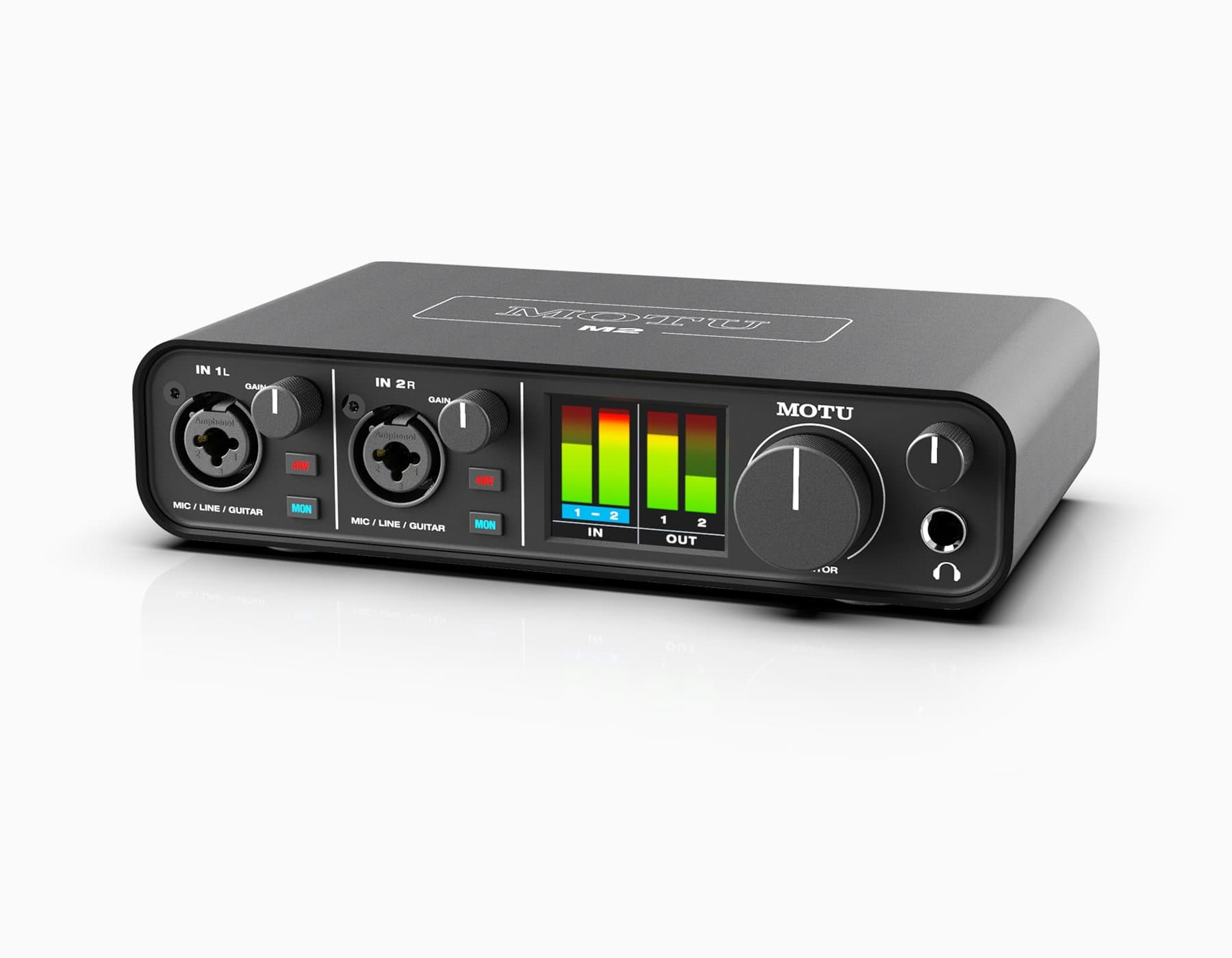
We may earn a commission on purchases. It never affects our rankings.
$275.00CAD
The Creative Sound BlasterX AE-5 Plus is a top-tier sound card designed for immersive gaming and high-fidelity audio playback. Its customizable RGB lighting adds a unique visual flair, while the powerful headphone amplifier supports audiophile-grade headphones. With a built-in DAC that produces high-resolution audio, this card ensures that every sound is rich and detailed. The Sound Blaster software suite enables extensive sound personalization, making it a favorite among gamers and music lovers.
Show More Internal Sound Cards
We may earn a commission on purchases. It never affects our rankings.
$258.00CAD
The ASUS ROG Clavis USB is a premium DAC and amplifier designed for gamers and audiophiles. Its dual ESS Sabre DACs deliver exceptional audio quality with low distortion and a wide soundstage, making every gaming experience feel cinematic. With customizable audio presets and RGB lighting, it not only enhances sound but also adds aesthetic appeal to your gaming rig. The Clavis is perfect for those looking to elevate their gaming and listening experiences.
Show More Gaming Sound Cards
Estimated$150 – $250
The Focusrite Clarett+ 8Pre is a versatile audio interface designed with musicians and producers in mind. Known for its ultra-low latency performance and high-quality preamps, it delivers exceptional audio clarity that outshines many similar products. The eight mic preamps, along with digital conversion capabilities, make this interface perfect for recording ensembles or large projects. Its user-friendly design and the inclusion of Focusrite's Red plug-ins provide additional value, positioning it as a top choice in its category.
Show More Professional Audio Interfaces
We may earn a commission on purchases. It never affects our rankings.
$1,599.00CAD
The FiiO K5 Pro is a high-performance DAC and headphone amplifier that offers exceptional value for both casual listeners and audiophiles. With its extensive input options, including USB, RCA, and optical, it seamlessly connects to various devices. The K5 Pro delivers powerful amplification and supports high-resolution audio formats, ensuring a rich listening experience. Its sleek design and built-in gain switch make it highly versatile, suiting a wide range of headphones and setups.
Show More DACs and Amplifiers
The AudioQuest Dragonfly Cobalt is a compact USB DAC that elevates your listening experience with high-resolution audio playback. It stands out due to its exceptional sound quality and versatile compatibility with a variety of devices including smartphones, tablets, and laptops. The Dragonfly Cobalt features a USB stick design combining portability with premium sound enhancement capabilities. This is perfect for audiophiles seeking a powerful yet convenient solution for music on the go.
Show More USB Audio Adapters
Estimated$250 – $300
What research says about dedicated audio hardware
Scientific and industry research on audio hardware highlights measurable improvements that dedicated sound cards and audio interfaces provide. Studies and measurements focus on objective metrics such as signal-to-noise ratio, total harmonic distortion, dynamic range, and latency. Psychoacoustic research also examines how humans perceive spatial cues, timing, and subtle tonal differences. For beginners, the key takeaway is that dedicated hardware often fixes the common limitations of onboard audio: noise floor, limited inputs and outputs, and poor headphone drive. The perceived benefit depends on source quality, listening environment, and the rest of the signal chain.
Improved signal-to-noise ratio and dynamic range: Dedicated DACs and ADCs typically reduce electronic noise and increase clarity compared with many onboard audio solutions.
Latency and monitoring: Research and professional practice show that round-trip latency under roughly 10 ms is important for real-time monitoring when recording or performing; dedicated audio interfaces and optimized drivers help achieve that.
Spatial and positional audio: Studies in spatial hearing confirm that precise timing and channel separation improve localization and immersion, which benefits gaming and virtual surround implementations.
High-resolution audio: Controlled listening tests show mixed results; objective measurements often improve with high-resolution gear, but perceptible differences depend on the recording quality, playback chain, and listener training.
Measurement matters: Lab measurements from audio engineering groups correlate with user experience—lower distortion, flatter frequency response, and stable clocking reduce artifacts like jitter and coloration.
Frequently Asked Questions
Which sound card should I buy for home studio recording?
Choose the MOTU M2 Audio Interface at $369.94 CAD, rated 4.8/5, because it’s a 2x2 audio interface with high-performance AD/DA converters, USB-C connectivity, and built-in loopback functionality for ultra-low latency monitoring.
Does the MOTU M2 have loopback and what connectivity?
Yes—the MOTU M2 Audio Interface includes loopback functionality and uses USB-C connectivity, with 2x2 audio interface design and high-performance AD/DA converters; it’s rated 4.8/5 and priced at $369.94 CAD.
Is the Asus ROG Clavis worth $129.99 versus others?
At $129.99 CAD, the Asus ROG Clavis (rated 4.4/5) gives a convenient USB Type-C connection plus integrated digital signal processing, making it a cheaper option than the Sound BlasterX G6 at $201.81 CAD or MOTU M2 at $369.94 CAD.
Which gaming DAC supports Dolby Digital and DTS on PC?
The Sound BlasterX G6 is a gaming DAC and amp rated 4.3/5 at $201.81 CAD, supporting Dolby Digital and DTS audio, with compact USB connectivity and virtual surround sound technology for immersive gaming and entertainment.
Conclusion
In the Canadian market, the right sound card depends on your priorities: gaming immersion, studio recording, streaming, or high-fidelity listening. We hope this guide helped you narrow the field and find what you were looking for. Use the site search to refine results by budget, connection type (PCIe, USB-C), inputs and outputs, or intended use, or expand your search to include external DACs and audio interfaces.