Top 5 Warehouse Transport Robots in Canada, 2026
Published on Friday, January 2, 2026
Warehouse Transport Robots streamline the movement of goods and materials within warehouses, optimizing efficiency and reducing manual labor. These robots can navigate through complex environments, making them essential for modern logistics. As more Canadian companies embrace automation, the demand for these robots continues to rise, driven by the need for efficiency, safety, and operational cost reduction. Businesses are increasingly leaning towards advanced technology to deliver superior service while maintaining high productivity levels, confirming the significant shift towards automated solutions in the logistics sector.
Top Picks Summary
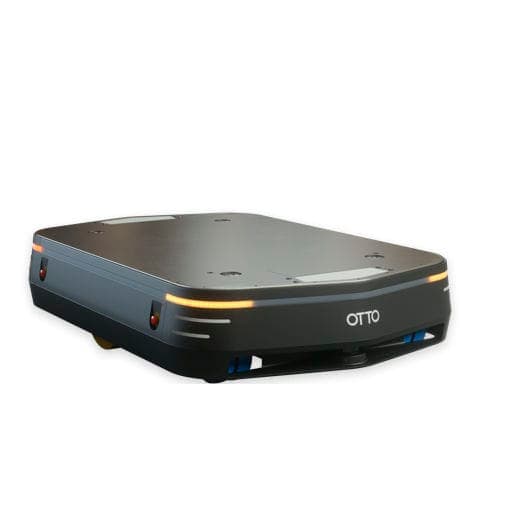
Clearpath Robotics OTTO 1500
The Clearpath Robotics OTTO 1500 stands out in the automated material handling market due to its impressive payload capacity of up to 1500 kg and advanced navigation capabilities. Its powerful autonomous navigation system allows for seamless integration into existing workflows, minimizing downtime. With a robust design and customizable features, it is ideal for complex industrial environments. Moreover, its scalability and reliability make it a top choice for businesses looking to enhance their productivity.
150000-200000$
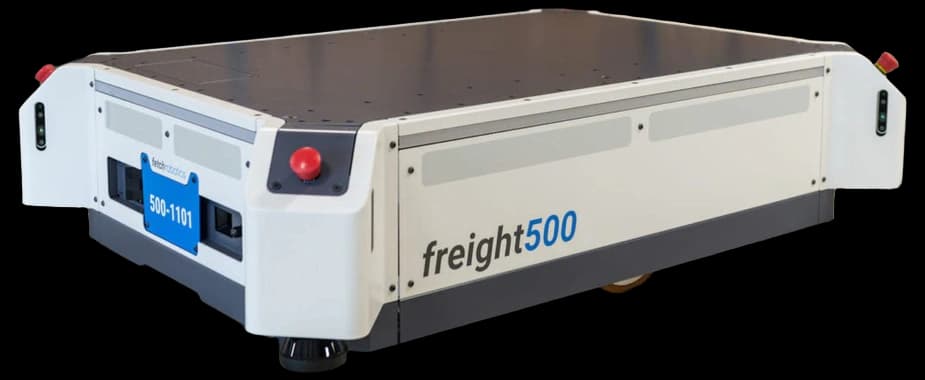
Fetch Robotics Freight500
Fetch Robotics' Freight500 redefines the standard for collaborative mobile robots in warehousing and logistics with its innovative design and flexibility. Capable of transporting heavy loads of up to 500 kg, it autonomously navigates spaces while avoiding obstacles and adapting to dynamic environments. Its modular nature allows for easy updates and expansions, making it a versatile choice. Additionally, the user-friendly system promotes quick deployment, significantly improving operational efficiency.
80000-120000$
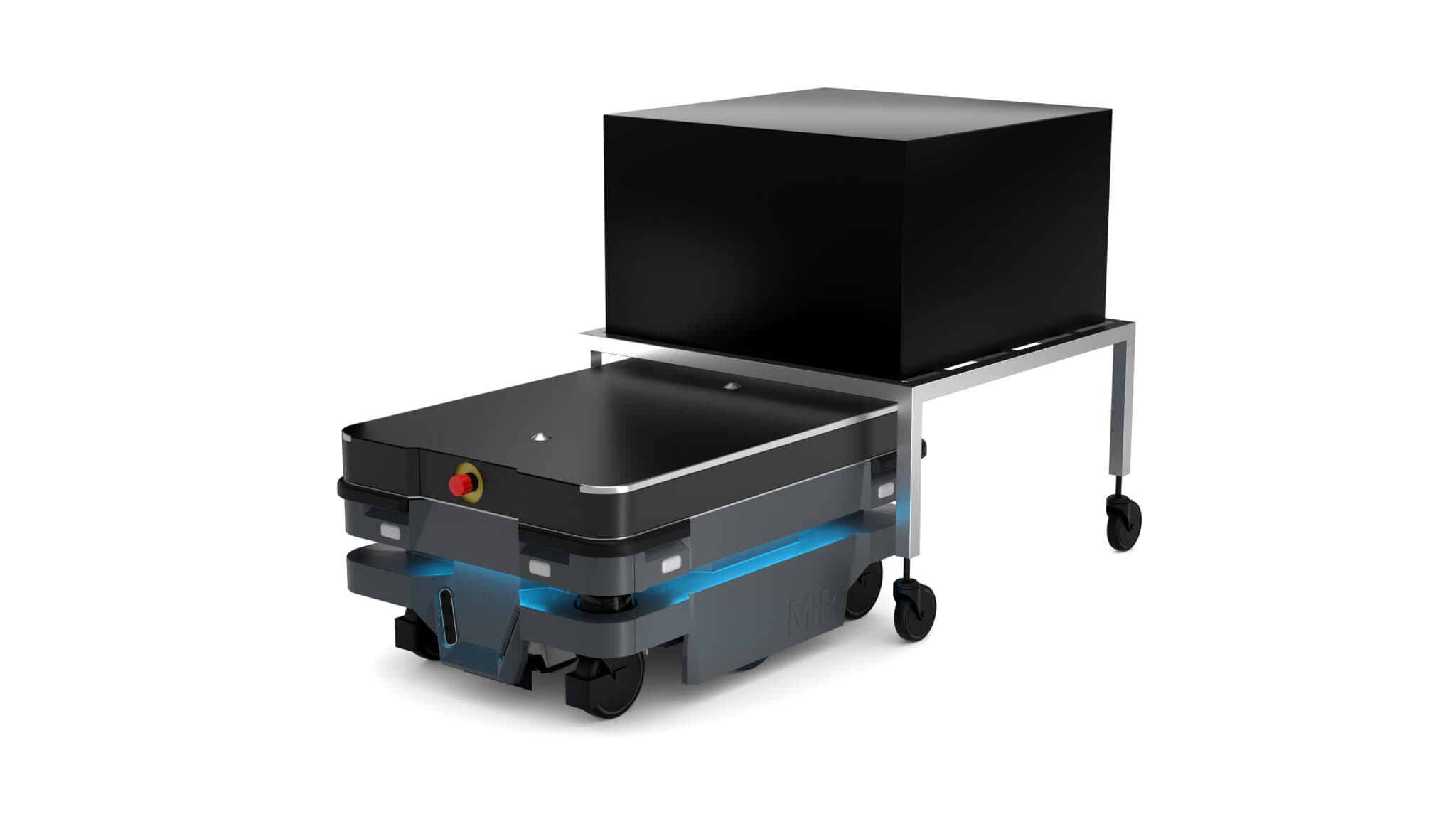
Mobile Industrial Robots MiR250
The Mobile Industrial Robots MiR250 excels in the autonomous mobile robot market with its compact size and robust functionality. It is designed for efficient and safe transportation of goods, featuring advanced sensors that enable smooth navigation in busy environments. Its easy-to-use interface and customizable payload options make it suitable for various applications, from healthcare to warehousing. The MiR250's ability to integrate with existing systems further enhances its appeal to modern facilities.
50000-75000$
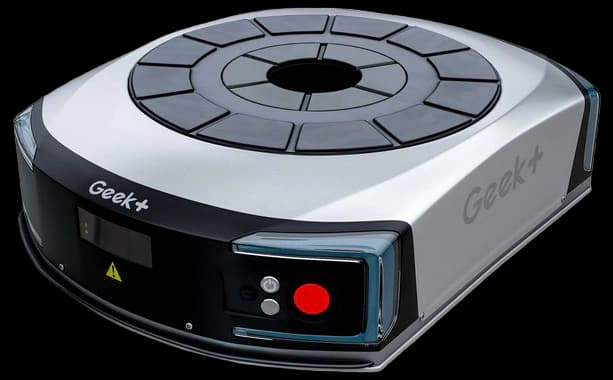
Geek P800
The Geek+ P800 is a cutting-edge solution in the realm of warehouse automation, specifically designed for high-density storage environments. It stands out with its highly efficient AI-driven algorithms that optimize operational workflows, significantly increasing throughput. The robust design allows for the handling of heavy loads while ensuring safety and reliability, making it an ideal choice for logistics centers. Additionally, its adaptability and integration capabilities enhance productivity across diverse industries.
90000-130000$
Locus Robotics LocusBot
Locus Robotics' LocusBot is a market leader in collaborative robotics, known for its ability to work alongside humans to enhance warehouse efficiency. This robot employs advanced navigation technology to maximize throughput and minimize travel time in fulfilling orders. With its user-friendly software and adaptability to various workflows, it seamlessly integrates into existing operations. The LocusBot's real-time data analytics and AI features further elevate productivity and operational effectiveness, setting it apart from competitors.

100000-150000$
High adaptability to warehouse layouts, real-time tracking, and autonomous navigation capabilities.
Understanding Warehouse Transport Robots
Warehouse transport robots employ advanced technology to enhance logistics processes, improving productivity and efficiency.
Research shows that automation in warehouses can boost productivity by 30%, allowing businesses to meet growing demand without increasing labor costs.
These robots utilize GPS, LIDAR, and advanced sensors to navigate, ensuring accurate and efficient transport of goods.
Studies suggest that implementing warehouse robots can reduce labor-related injuries, promoting a safer work environment for employees.
Data indicates that fully automated warehouses can operate with 100% accuracy in inventory management, minimizing human errors.
Market trends reveal a 20% increase in Canadian businesses adopting robotic solutions, significantly enhancing logistical operations over the past few years.
Environmental studies highlight that automated systems in warehouses can lower energy consumption by 15% compared to traditional methods, promoting sustainability.
Frequently Asked Questions
Which robot should I choose for heavy loads?
Choose the Clearpath Robotics OTTO 1500 if you need heavy-load automation, since it supports a payload capacity up to 1500 kg and has an average rating of 4.8.
Does the Fetch Robotics Freight500 avoid obstacles autonomously?
Yes—Fetch Robotics Freight500 autonomously navigates while avoiding obstacles, and it’s rated 4.7; its key specs list payloads up to 500 kg.
Are Freight500 and MiR250 different for price value?
The data provided lists no prices for Fetch Robotics Freight500 or Mobile Industrial Robots MiR250, so I can’t compare value by cost; ratings are 4.4 and 4.6 respectively.
Is the MiR250 suitable for multi-floor warehouse use?
Yes, Mobile Industrial Robots MiR250 includes multi-floor operation capability, with a designed payload up to 250 kg and an average rating of 4.4.
Conclusion
In conclusion, the adoption of warehouse transport robots is pivotal for modernizing logistics operations in Canada. We hope you found the information helpful, and if you're looking for something more specific, feel free to use the search bar.