

Top 5 Hospital Sanitation Robots in Canada, 2026
Hospital sanitation robots are designed to disinfect and sanitize healthcare environments, effectively reducing the spread of infections. Their advanced technology ensures thorough cleaning in a fraction of the time, making them a preferred choice for healthcare facilities across Canada. With rising concerns about hospital-acquired infections (HAIs), these robots are becoming increasingly popular, as they not only save time but also guarantee higher standards of sanitation that human cleaning efforts can struggle to achieve. Hospitals utilizing these robots witness enhanced patient safety, reduced staff workloads, and optimized operations, making them an appealing investment in an era where hygiene is paramount.
Inception's AI took the time to understand this market in Canada · · How we pickWe may earn a commission on purchases. It never affects our rankings.
Top Picks Summary
Xenex LightStrike Germ-Zapping Robot
The Xenex LightStrike Germ-Zapping Robot is a pioneering disinfection technology that utilizes rapid ultraviolet (UV-C) light to eliminate viruses and bacteria in healthcare settings. Its high-speed UV light disinfection process enables it to sanitize entire rooms in just minutes, making it more efficient than traditional cleaning methods. Designed to be fully automated, this robot minimizes human contact with harmful pathogens while ensuring thorough disinfection. Its proven efficacy against a variety of harmful organisms sets it apart in the sanitization industry.

Avidbots Neo 2
Avidbots Neo 2 is an advanced autonomous floor-scrubbing robot that uses smart sensors and technology to navigate spaces efficiently, making it a favorite for large commercial facilities. It combines functionality with ease of use, offering a seamless cleaning experience. The Neo 2’s adaptable cleaning modes and real-time monitoring capabilities ensure that it meets the unique demands of various environments, from warehouses to airports. Its commitment to sustainability, utilizing less water and cleaning solution, enhances its appeal in the cleaning industry.

Estimated$60,000 – $80,000
UBTech ADIBOT-A
The UBTech ADIBOT-A is a cutting-edge service robot designed for disinfection and cleaning in public spaces. Its sturdy construction and autonomous navigation allow it to operate effectively in complex environments like schools and hospitals. Equipped with powerful UV-C light and innovative cleaning technology, the ADIBOT-A is efficient in eliminating pathogens while ensuring safety and reliability. Its sleek design and user-friendly controls make it stand out in the robot cleaning sector.
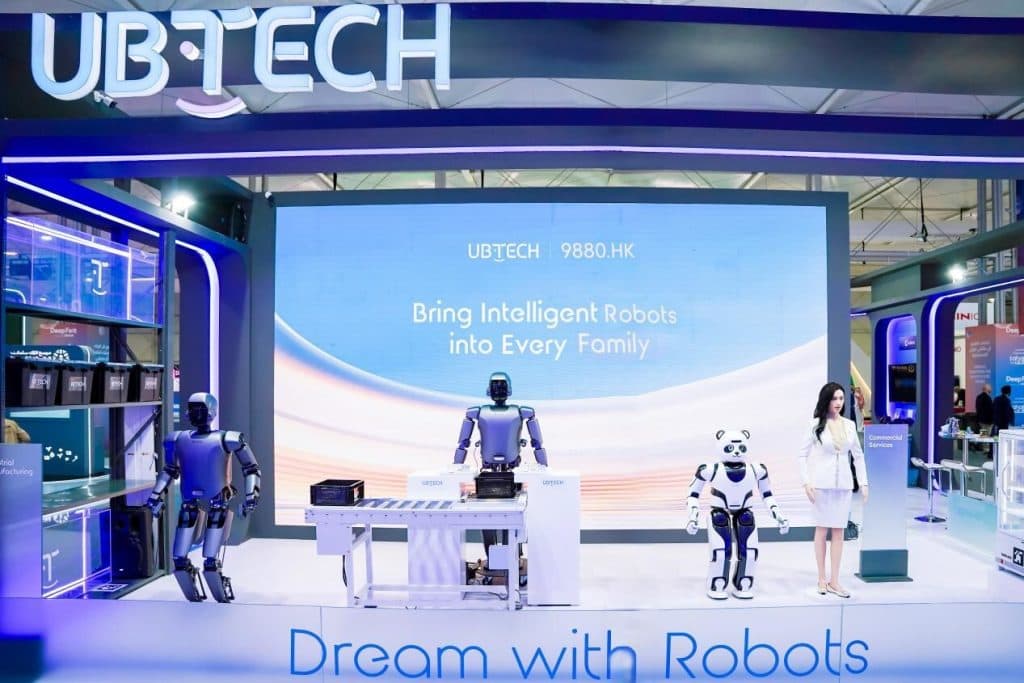
Estimated$30,000 – $50,000
Geek+ RoboShuttle Disinfection Robot
The Geek+ RoboShuttle Disinfection Robot stands out with its ability to intelligently integrate into logistics and transportation systems while providing effective disinfection services. This innovative robot utilizes UV-C light technology to ensure surfaces are thoroughly sanitized in high-traffic areas. By combining warehousing and cleaning functions, it enhances operational efficiency in facilities while maintaining high hygiene standards. Its flexibility and scalability make it a game changer in the realm of industrial cleaning solutions.

Estimated$80,000 – $120,000
LG CLOi UV-C Robot
The LG CLOi UV-C Robot represents the forefront of automated sanitation technology in commercial sectors. Employing UV-C light to disinfect surfaces, it enhances safety in public spaces without the need for harsh chemicals. Its intelligent navigation system allows it to map areas and clean efficiently, significantly reducing the potential for human error in maintaining hygiene. With LG's renowned reliability and innovation, the CLOi UV-C Robot successfully merges technology with cleanliness in today's demanding environments.

Estimated$90,000 – $130,000
Leveraging UV-light and powerful cleaning solutions, they deliver superior sanitation with minimal human intervention.
Understanding Hospital Sanitation Robots: Technology and Benefits
Hospital sanitation robots leverage advanced technology to improve cleanliness in a healthcare setting. They reduce human error and ensure thorough sanitation, crucial for patient safety.
Studies show that automated disinfection can reduce the presence of harmful pathogens by up to 99.9%, minimizing the risk of HAIs.
Research demonstrates that utilizing robots can cut cleaning time by 50%, enabling staff to focus on patient care instead of maintenance.
Hospitals report a significant decrease in infection rates after implementing sanitation robots, improving patient outcomes and satisfaction.
Evidence indicates that automated systems are less likely to overlook areas compared to manual cleaning, ensuring comprehensive sanitation.
Advancements in UV-C light technology used by these robots have been scientifically verified to eliminate a broader range of microorganisms effectively.
Investing in hospital sanitation robots has been linked to enhanced operational efficiency, leading healthcare facilities to recover costs through better patient turnover and occupancy rates.
Conclusion
As we look into the future of healthcare in Canada, hospital sanitation robots represent a significant technological advancement in maintaining hygiene standards. They not only protect patients but also streamline operations for healthcare providers. We hope you found this information useful, and if you're looking for more specific details on the topic, feel free to use the search bar for further exploration.