Best DSLR Cameras in Canada 2026: Top 7 Picks
Published on Friday, January 23, 2026
DSLR cameras offer exceptional image quality and versatility, making them a favorite among photography enthusiasts and professionals alike. With interchangeable lenses and advanced settings, they are perfect for creative expression. In Canada, buyers still choose DSLRs for their robust ergonomics, long battery life, extensive lens ecosystems, and reliable optical viewfinders that deliver a direct, lag-free view of the scene. While mirrorless systems continue to gain market share, DSLRs remain appealing for wildlife and sports photographers who value long battery life, proven autofocus performance with certain telephoto lenses, and the broad availability of used and new lenses through Canadian retailers and marketplaces.
Top Picks Summary
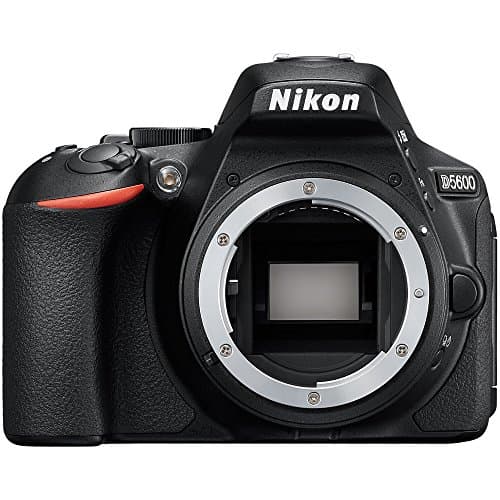
The Nikon D5600 occupies the middle ground with a flexible feature set—touchscreen with full articulation in this class, reliable image quality, and Nikon's SnapBridge connectivity—making it a strong all-around choice for hobbyists. It offers more control and connectivity than the D3500 and is typically priced below the Canon T8i while delivering comparable stills performance, though its autofocus in live view and video doesn't match Canon's Dual Pixel implementation.
Why DSLR Cameras Deliver Great Results
The advantages of DSLRs are rooted in camera and optical physics plus decades of industry testing. Larger sensors, quality glass, and mechanical design contribute directly to the characteristics photographers care about: low-light performance, dynamic range, depth of field control, and handling reliability. Independent lab tests and industry measurements—such as sensor performance metrics used by reviewers and battery life standards published by camera industry groups—support these benefits. For beginners, understanding a few core principles helps explain why a DSLR can be the right tool for many shooting situations.
Sensor size matters: APS-C and full-frame sensors collect more light than smaller sensors, improving low-light performance and dynamic range.
Optical viewfinder advantages: an optical viewfinder gives a real-time, lag-free view and can be easier to use in bright conditions.
Interchangeable lenses increase creative control: choosing prime or zoom lenses lets you optimize image quality and depth of field for each subject.
Battery life and durability: DSLRs typically provide more shots per charge under the Camera and Imaging Products Association (CIPA) testing scenarios and often have weather-sealed bodies for field use.
Ergonomics and learning curve: tactile controls and well-balanced bodies help photographers learn manual exposure, focus techniques, and long shooting sessions with less fatigue.
Frequently Asked Questions
Which DSLR should I choose for growing hobbyists, Nikon D5600?
Choose the Nikon D5600 if you want a flexible all-around DSLR: it has a 24.2MP DX sensor, 39-point autofocus, a 3.2" vari-angle touchscreen, and SnapBridge Bluetooth/Wi‑Fi, with a 4.5 average rating.
Does Nikon D5600 have touchscreen and autofocus specs?
Yes—Nikon D5600 includes a 3.2" vari-angle touchscreen and a 39-point autofocus system, plus a 24.2MP DX sensor, and it has a 4.5 average rating.
How does Canon EOS 80D value compare to Nikon D5600 price?
Canon EOS 80D is rated 4.4 and focuses on a 24.2MP APS-C sensor with 45-point all cross-type AF and 7 fps, while the Nikon D5600 costs CA$489 and is rated 4.5 with 39-point AF and a vari-angle touchscreen.
Is Canon EOS RP good for beginners, or only pros?
Canon EOS RP is built for beginners and experienced photographers alike: it has a 26.1MP sensor, Dual Pixel autofocus, a user-friendly interface, and a 4.3 average rating, priced at CA$1,449.99.
Conclusion
Whether you are a hobbyist capturing Canadian landscapes or a professional shooting wildlife and events, DSLRs continue to offer dependable image quality and a mature lens ecosystem. We hope this guide to the top 9 DSLR options in Canada for 2026 helped you narrow your choices. If you want to refine results by budget, sensor size, or lens compatibility, use the search or filters to expand or focus your search.