Top 9 Prosthetics in Canada for 2026: Revolutionizing Amputee Life
Published on Monday, February 2, 2026
Prosthetics are custom-built artificial limbs and orthoses fitted by a certified prosthetist. In Canada they are prescribed after a clinical assessment and built around a cast or 3D scan of your residual limb — they are not bought off a shelf, and no component on this page is a consumer purchase. What follows are the parts a clinic would actually specify: microprocessor knees such as the Ottobock Genium X3, energy-storing feet such as the Össur Pro-Flex XC, multi-articulating hands such as the i-Limb Quantum, plus liners, cranial orthoses and gait-training equipment. Prices are broad estimates for the component alone; the socket, the fitting appointments and the follow-up adjustments are billed separately by the clinic and often cost more than the part itself. Carbon fibre, microprocessor control and myoelectric sensing are what separate current devices from older ones, but fit and alignment still decide how well any of them works.
Top Picks Summary
The Ottobock Genium X3 is a groundbreaking prosthetic knee that offers unparalleled functionality and adaptability. With its advanced microprocessor technology, the Genium X3 can sense changes in the walking environment and adjust accordingly, providing a more natural gait. Its waterproof design allows for use in various conditions, making it an excellent choice for active individuals. This prosthetic sets a high standard in the industry with its exceptional performance and user-friendly features.
Show More Prosthetic Limbs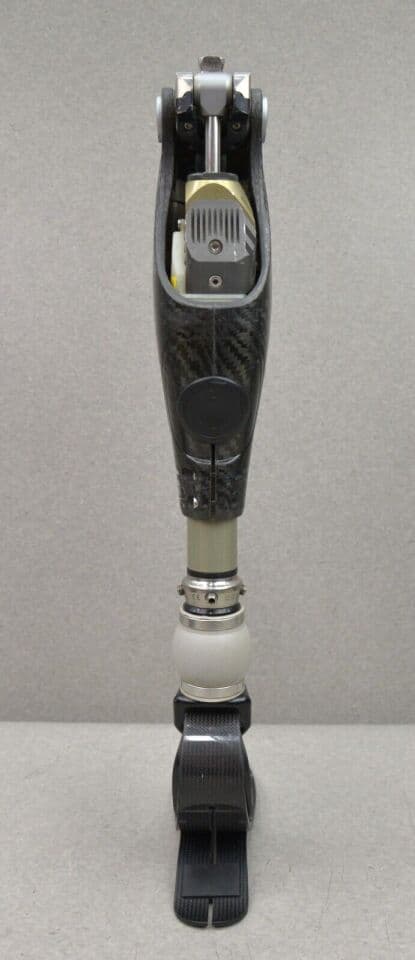
80,000-100,000$
The Össur Pro-Flex XC Torsion is cutting-edge in the realm of prosthetic innovations, designed primarily for active individuals facing diverse terrain challenges. Its unique torsion design allows for a full range of motion and adaptability while providing stability and support during rigorous activities. The Pro-Flex XC not only enhances energy return but also integrates seamlessly with various types of footwear. This combination of advanced materials and technology makes it a standout choice for those requiring dynamic performance.
Show More Prosthetic Feet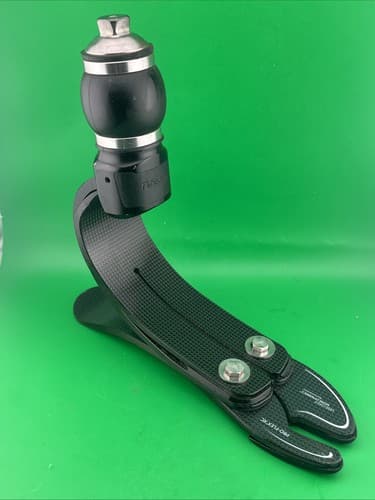
The Talon Hand is an open-source, 3D-printable hand from the e-NABLE volunteer network, designed for people with a partial hand or a wrist-level limb difference. It is body-powered: flexing the wrist tensions the cords and closes the fingers, so it delivers gross grip for holding a handlebar, a bottle or a bag rather than fine individual-finger control. The print files are published free and the device is typically assembled by a volunteer maker or a clinic, which makes it one of the cheapest routes to a functional hand — but it is a mechanical device, not a powered myoelectric one, and it still needs a clinician to confirm the fit is safe for your residual limb.
Show More Prosthetic Hands![Talon Hand Model - 3D model by Mechmadnessdesigns [c7648da] - Sketchfab](https://m.media-amazon.com/images/I/51+FH-GqkJL._SL500_.jpg)
The Boston Band is a cranial remolding orthosis for infants with positional plagiocephaly or brachycephaly, developed by Boston Orthotics & Prosthetics with craniofacial and pediatric neurology input. It is custom-fabricated from a cast or 3D scan of the baby's head: a rigid outer shell lined with polyethylene foam holds the rounded areas and leaves space for the flattened areas to grow into. Treatment works best when it starts early — 4 to 6 months is the usual target — and the band is trimmed and adjusted at follow-up visits as the head reshapes. It is prescribed and fitted by an orthotist, not purchased directly.
Show More Cranial Helmets
Aurum Gold Crown is renowned for its exceptional quality and durability in dental restorations. Made from high-purity gold, it provides a perfect blend of strength and aesthetics, making it an ideal choice for both patients and practitioners. Its precision fit ensures long-lasting results, reducing the need for adjustments and repairs. With Aurum, you can trust in a product that's crafted with the latest technology, setting a high standard in the gold crown market.
Show More Cosmetic Prosthetics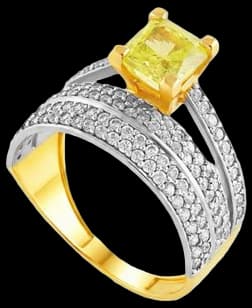
The i-limb Quantum is a leading prosthetic hand that offers unrivaled dexterity and functionality, featuring a unique multi-articulating design that mimics the natural movement of fingers. Its innovative 'grip patterns' allow users to perform a variety of tasks with ease, from holding delicate objects to firm grips. The device is equipped with advanced myoelectric control technology, enabling intuitive and responsive operation directly from muscle signals. The customizable design and advanced sensor technology make the i-limb Quantum a top choice for those seeking a highly functional prosthetic solution.
Show More Bionic Prosthetics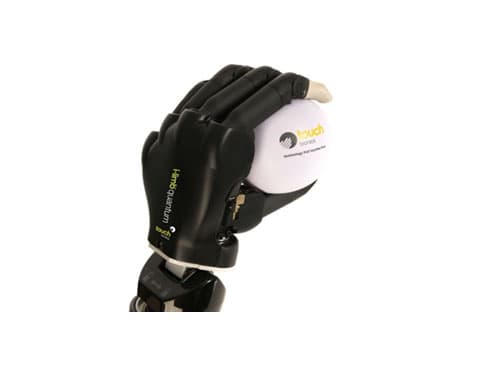
70000-90000$
Blatchford's Linx is a fully integrated lower-limb system: the microprocessor knee and the microprocessor ankle-foot share one control unit and one set of sensors, so they coordinate on the same step instead of each reacting on its own. On a ramp the ankle sets its angle to the slope while the knee sets matching resistance; on stairs and when stopping, the two are timed together. That coordination — not any single component spec — is the argument for it over a separate knee and foot. Note that Blatchford's own catalogue lists this product simply as Linx; 'Vanguard' is not one of its designations. Like every device here it is specified and aligned by a prosthetist.
Show More Prosthetic Sockets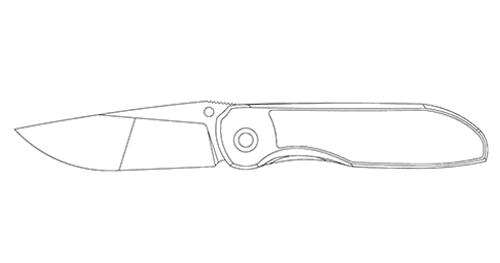
The Iceross Seal-In X5 is a prosthetic liner, not a complete prosthesis — it is the silicone interface worn against the residual limb inside the socket. Integrated seal membranes press against the socket wall to create suction suspension, so the limb is held without a separate suspension sleeve or a locking pin, and the membranes spread the holding force over a broader area than a pin system concentrates at the distal end. Donning is simpler than a sleeve setup, but the seal only works with a socket built to match it, which is why it is fitted as part of a prescription rather than bought on its own.
Show More Prosthetic Liners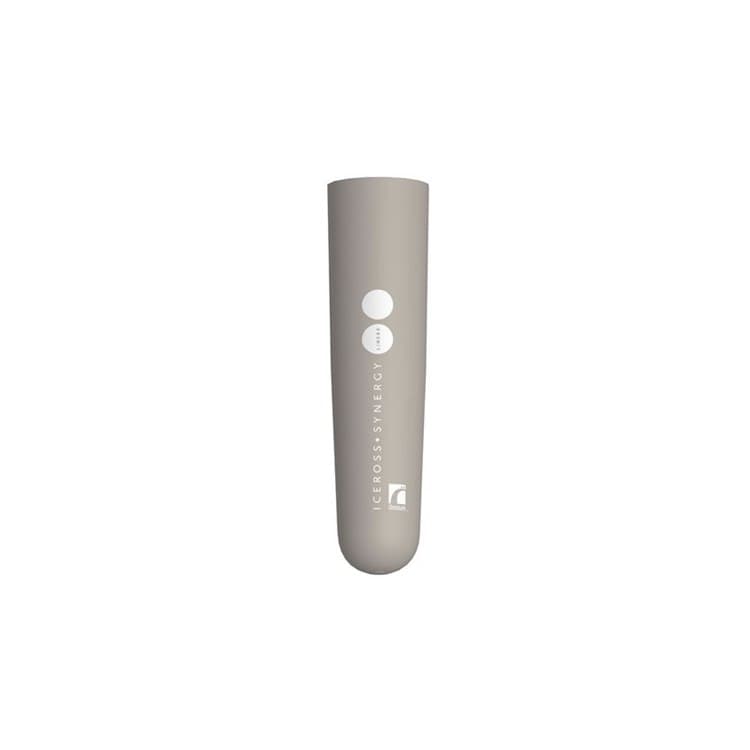
The AlterG M320 is gait-training equipment, not a prosthesis. It uses AlterG's differential air-pressure chamber to unweight the user by a set percentage of body weight, so someone relearning to walk on a new prosthesis, or recovering from surgery, can practise a full gait pattern before their limb can carry the whole load. Unweighting is dialled in and reduced as strength returns. It belongs on this page as part of the rehabilitation pathway around a prosthesis: it is clinic equipment you use at a rehab facility with a therapist, not something fitted to you or used at home.
Show More Prosthetic Gait Training Equipment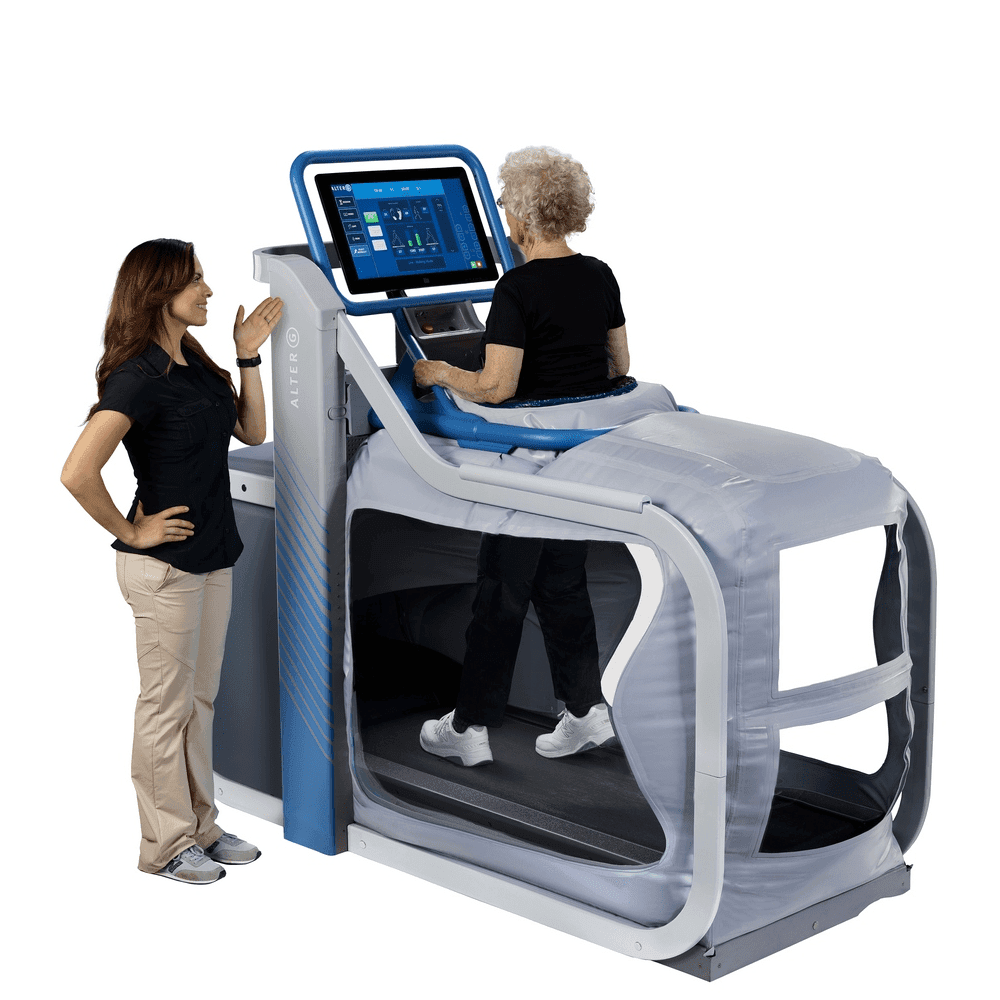
75000-95000$
What makes prosthetics the best in its category? Customized fit, natural movement capabilities, and innovative materials for maximum comfort and performance.
Understanding Prosthetics: Benefits and Insights
Explore the empowering benefits of prosthetics and learn how they improve the lives of amputees.
Innovative materials like carbon fiber are used in modern prosthetics, making them lightweight yet highly durable, improving user comfort.
Advanced myoelectric prosthetics respond to muscle signals, offering intuitive control, allowing users greater freedom and dexterity.
3D printing technology allows for personalized prosthetics that can be produced faster and more affordably, tailored to individual specifications.
Research indicates that increased mobility through prosthetics significantly enhances mental health and overall well-being for amputees.
Wearable sensors integrated into prosthetics provide real-time feedback, helping users adapt their movements and improve balance.
Community support and rehabilitation programs in Canada further assist users in the adaptation process, ensuring prolonged success with their prosthetics.
Frequently Asked Questions
Which prosthetic knee suits active walkers in Canada?
The Ottobock Genium X3 is the usual answer for active walkers who also need water exposure: it is Ottobock's waterproof microprocessor knee, so it tolerates showering and water activities, and its sensors adjust knee resistance in real time as terrain, speed and stairs change. Whether you qualify for it depends on the activity level your prosthetist assesses, not on what you are willing to pay.
What does the Ottobock Genium X3 microprocessor do?
It reads its sensors many times per second — knee angle, load and motion — and sets the hydraulic resistance to match what you are doing: level walking, ramps, stairs, or standing still. The aim is a stance phase that will not buckle under you and a swing phase timed to your walking speed rather than to a fixed cadence.
Is the Talon Hand a good option for dexterity?
Only for gross grip. The Talon Hand is an open-source, 3D-printable device from the e-NABLE volunteer network, intended for people with a partial hand or wrist-level difference. It is body-powered — flexing the wrist closes the fingers — so it grips and releases, but it does not offer individual finger control. It is not a powered myoelectric hand, and its print files are shared free rather than sold as a finished product.
Does the Ossur Pro-Flex XC Torsion work on diverse terrain?
Yes. It pairs Össur's Pro-Flex XC foot with a torsion module that lets the foot rotate a few degrees around its long axis. Those twisting loads — from turns, side slopes and uneven ground — get absorbed by the module instead of being transmitted up into the socket and the residual limb, which is what makes it a common choice for varied outdoor walking.
Conclusion
Cost is usually the deciding factor, and in Canada it is rarely paid entirely out of pocket. Ontario's Assistive Devices Program pays 75% of the approved price of a prosthetic limb, with the applicant covering the remaining 25% plus any optional accessories or services; other provinces run their own programs, and WSIB, veterans' benefits and private insurance each cover their own cases. The practical first step is a referral to a certified prosthetist, who confirms which components you qualify for before anything is ordered. Use the search bar if you want to compare a specific component in more detail.