

Best Packaged Terminal Units in Canada 2026 — Top 6 PTACs for Hotels, Apartments and Offices
Packaged terminal units (PTUs), usually called PTACs, are self-contained room-level heating and air conditioning systems built into an exterior wall. They are the standard in hotels, apartments, condominiums, student residences and light commercial suites because each room gets its own cooling, dehumidification and — depending on the model — electric resistance or heat pump heating. Two things separate a PTAC from a window or portable air conditioner, and both matter before you buy: it is installed equipment, not plug-and-play. Every unit here slides into a through-the-wall sleeve (the industry standard opening is 42 inches wide by 16 inches high, roughly 13.5 inches deep) and needs a dedicated 208/230V branch circuit, typically 15, 20 or 30 amps, with a matching power cord or subbase that is almost always sold separately. If your building has no sleeve, budget for cutting the opening and for an electrician. Once that groundwork exists, PTACs are compelling in Canada: targeted per-room comfort, straightforward chassis swaps at end of life, and per-room energy accountability for owners and property managers. For 2026 buyers the deciding factors are EER, heat type (a heat pump cuts winter running costs in milder Canadian climates, electric resistance is simpler and works at any outdoor temperature), sound level, and control features such as programmable thermostats or property-wide connectivity.
Inception's AI took the time to understand this market in Canada · · How we pickWe may earn a commission on purchases. It never affects our rankings.
Top Picks Summary
Amana PTC093G35AXXX DigiSmart PTAC
The Amana PTC093G35AXXX DigiSmart PTAC stands out with its innovative DigiSmart technology, allowing for enhanced energy efficiency and intelligent climate control. It performs exceptionally well in energy savings compared to many competitors, making it an ideal choice for eco-conscious customers. Its user-friendly interface and smart diagnostic tools provide an edge in ease of maintenance, setting it apart from other products on this list.

Estimated$800 – $1,000
LG LP093HDUC Dual Inverter PTAC
The LG LP093HDUC Dual Inverter PTAC is praised for its dual inverter technology, which significantly reduces noise levels and enhances energy efficiency. This product excels in both cooling and heating capacities, making it suitable for year-round use, while its sleek design and smart features make it preferable for modern installations. Compared to others in the lineup, LG's offering is notably quieter and more energy-efficient, appealing to consumers focused on comfort and cost savings.

Estimated$750 – $900
Friedrich PDE09K3SG ZoneAire Premier PTAC
Friedrich's PDE09K3SG ZoneAire Premier Series PTAC is recognized for its robust performance and durability, offering superior energy efficiency alongside a built-in programmable timer. Its advanced features help it outperform many models, especially in extreme weather conditions, by maintaining consistent temperature control. Additionally, Friedrich's extensive warranty and service options provide long-term value that distinguishes it from competitors on this list.
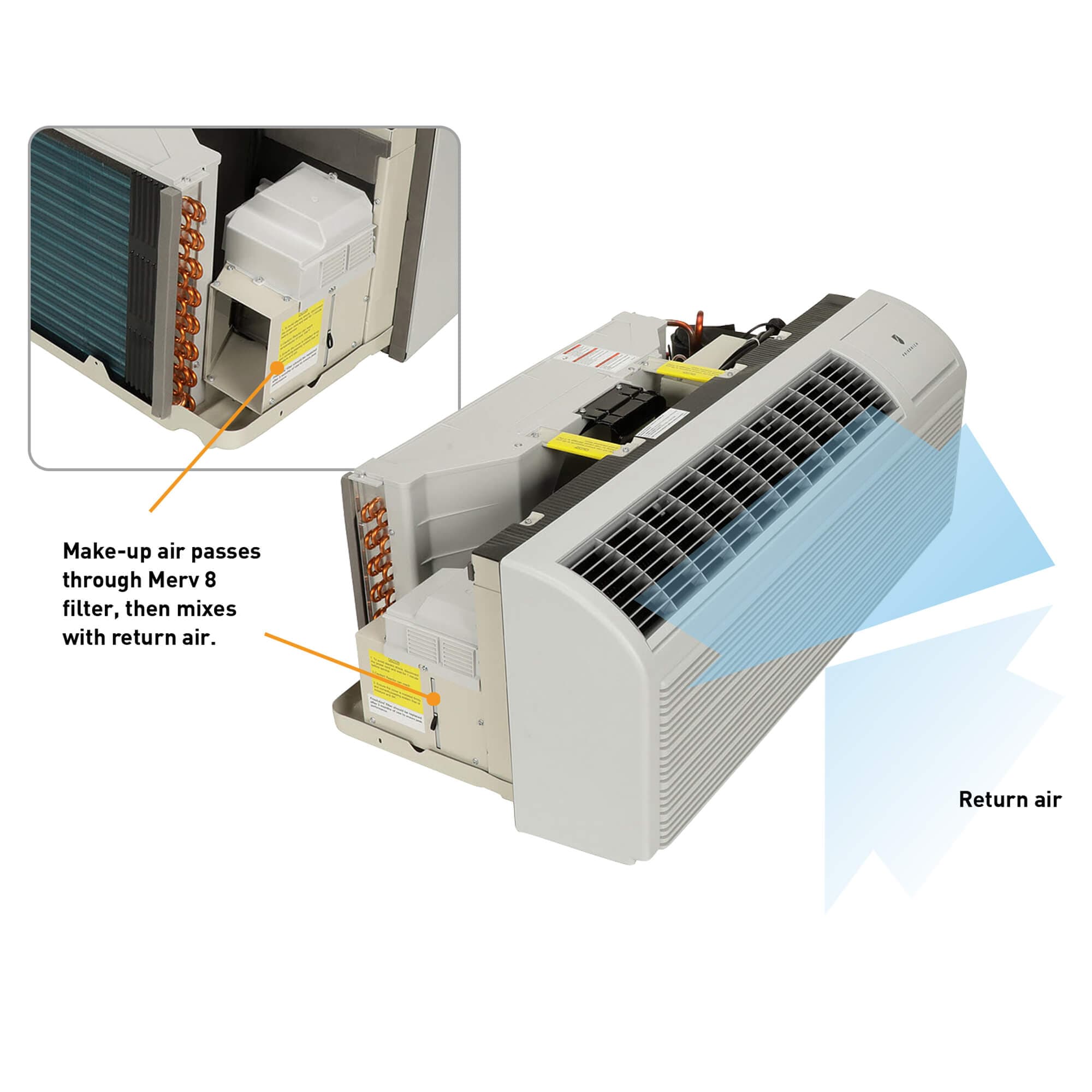
GE Zoneline AZ65H09DAD PTAC
The GE Zoneline AZ65H09DAD PTAC unit offers robust performance with versatile features including an easy-to-use digital thermostat. Known for its reliability, this unit also provides exceptional efficiency ratings that make it a strong competitor in the market. Compared to others, GE’s Zoneline line is particularly noted for its comprehensive support service and ease of integration into various spaces, ideal for both residential and commercial use.

Estimated$600 – $800
Gree ETAC2-09HP230VA-CP Engineered Terminal PTAC
Gree's ETAC2-09HP230VA-CP Engineered Terminal PTAC earns a best-in-class position for packaged terminal units by emphasizing engineered efficiency and serviceability; its advanced control platform and high-efficiency components reduce operating costs and make integration with building management systems straightforward for hotels and multi-family applications. Compared with the Midea unit in this list, Gree accepts a typically higher upfront price in exchange for lower lifecycle energy use and quicker on-site serviceability, delivering a stronger total-cost-of-ownership for projects focused on long-term operational savings.
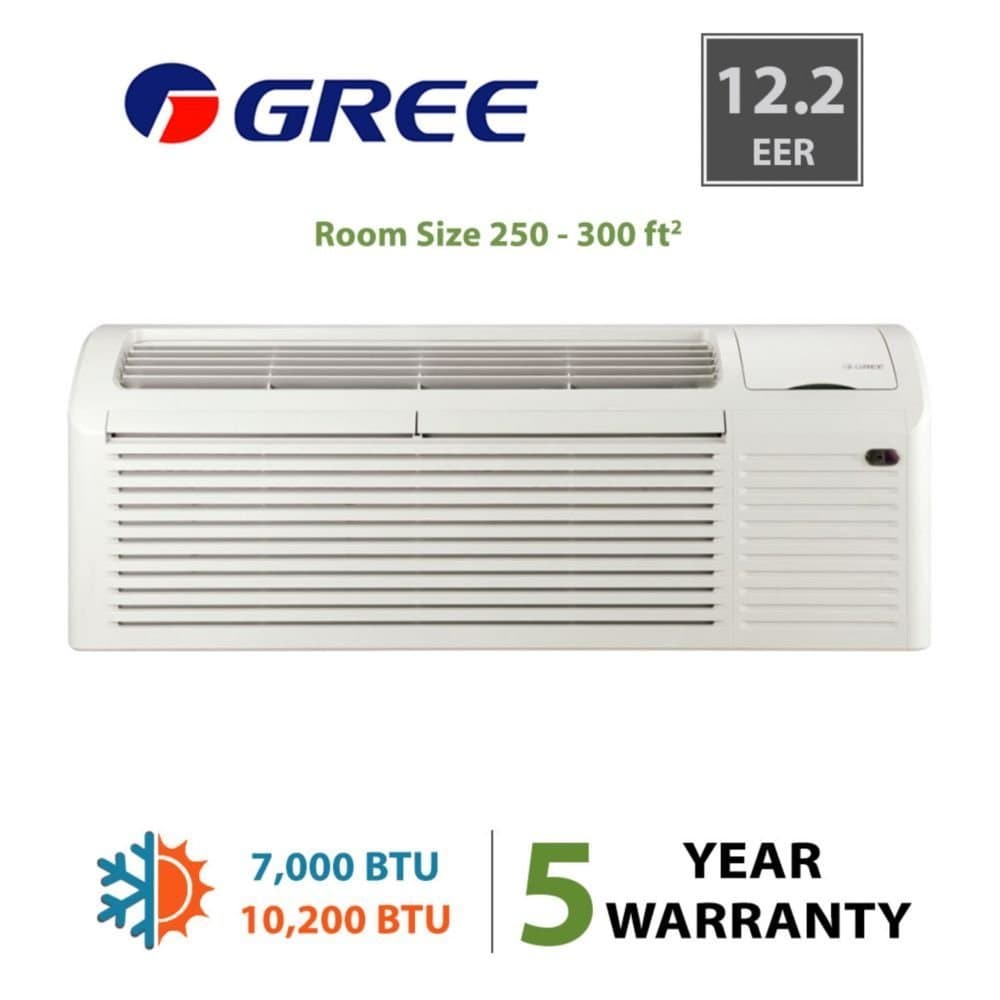
Estimated$950 – $1,400
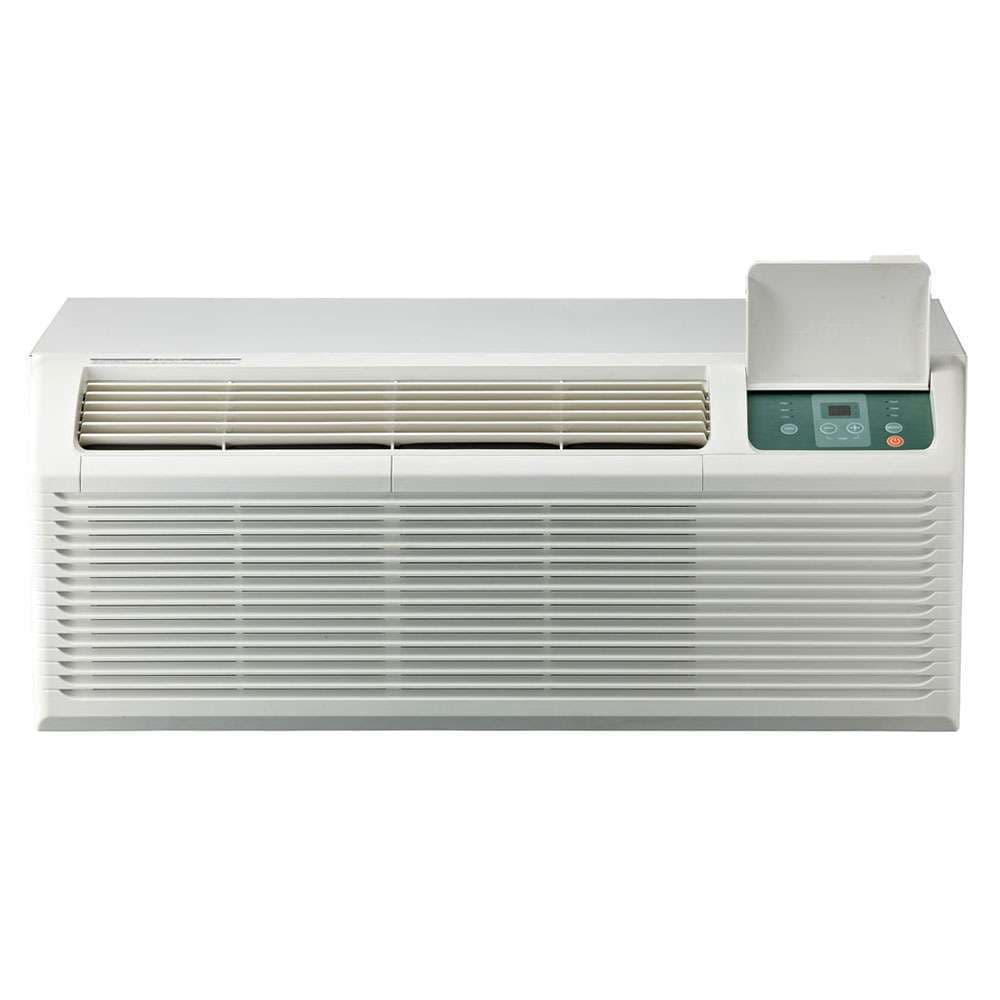
Midea MPC09CRN1BH9 PTAC
Midea's MPC09CRN1BH9 PTAC is the market leader due to wide distribution, competitive pricing, and a track record of reliable field performance, offering a balanced PTAC option that is easy to install and maintain for large-scale retrofits and new builds. Versus the Gree engineered unit, Midea usually delivers lower initial purchase and spare-part costs plus broader service availability, making it the preferred choice when tight capital budgets and rapid deployment are the primary priorities.
What Research Says About PTUs and Their Benefits
Multiple engineering studies and industry test reports underline why modern PTUs perform well for room-level conditioning. Research and lab testing focus on efficiency, compressor technology, humidity control and indoor air quality. Results consistently show that variable-speed compressors, improved heat exchanger design and better controls reduce energy use and improve comfort compared with older fixed-speed PTACs. Evidence also shows well-sized and maintained PTUs help control humidity and reduce the risk of mold growth in humid conditions, and that heat pump PTUs can deliver efficient heating in many Canadian climates when compared to electric resistance heat.
Variable-speed or inverter-driven compressors can reduce energy consumption and start-stop cycling by up to 20 to 40 percent versus fixed-speed compressors, improving comfort and reducing wear.
Efficiency metrics such as EER and COP are useful for comparing models; higher values indicate lower operating cost for cooling and heating.
Improved heat exchanger design and refrigerant management increase dehumidification efficiency, which helps maintain indoor air quality and occupant comfort.
Heat pump PTUs can provide efficient heating in shoulder seasons and moderate winter conditions, lowering electric resistance heating costs when sized and installed correctly.
Regular maintenance, proper filtration and correct unit sizing are essential to realize the efficiency and indoor air quality benefits shown in field studies.
Frequently Asked Questions
Which PTAC should I choose for hotels in Canada?
For hotels, the LG LP093HDUC Dual Inverter PTAC is a strong pick because its dual inverter compressor modulates output rather than cycling on and off, which reduces noise and energy use in occupied guest rooms. It carries a 4.5 average rating on this page. If you manage many rooms and want property-wide diagnostics, the Amana PTC093G35AXXX with DigiSmart controls is the other common hospitality specification.
Does the Friedrich PDE09K3SG have timer or filtration?
Yes — the Friedrich PDE09K3SG ZoneAire Premier PTAC includes a built-in programmable timer and an advanced air filtration system, plus temperature sensing technology, with a 4.4 average rating. It is rated at 9,400 BTU cooling and 12.1 EER, with a 3.0 kW electric heat strip supplying roughly 10,200 BTU of heating on 230/208V.
Is the Amana PTC093G35AXXX worth the price?
The Amana PTC093G35AXXX DigiSmart PTAC delivers 9,000 BTU of cooling at 11.5 EER with 3.5 kW of electric backup heat and hotel-grade DigiSmart controls. With a 4.3 average rating and property-management-friendly diagnostics, it is solid value for room-level conditioning — but price it against the cost of the sleeve and dedicated circuit if you are not replacing an existing unit.
Can the LG LP093HDUC handle both cooling and heating?
Yes — the LG LP093HDUC Dual Inverter PTAC handles both cooling and heating for year-round use, rated here at 9,000 BTU cooling and 15 EER, and it has a 4.5 average rating.
Conclusion
Whether you are upgrading a hotel, retrofitting an apartment block or specifying units for office suites in Canada, these PTUs deliver room-level comfort — provided the wall sleeve and dedicated 208/230V circuit are in place first. The models reviewed here are the Amana PTC093G35AXXX DigiSmart PTAC, LG LP093HDUC Dual Inverter PTAC, Friedrich PDE09K3SG ZoneAire Premier PTAC, GE Zoneline AZ65H09DAD PTAC, Gree ETAC2-09HP230VA-CP Engineered Terminal PTAC and Midea MPC09CRN1BH9 PTAC. All six are 9,000 BTU-class chassis, so the real choice is between heat types and control platforms rather than capacity. For most buyers wanting the best balance of energy efficiency, quiet operation and modern inverter technology, the LG LP093HDUC Dual Inverter PTAC stands out; if winter operating cost is the priority, the reverse-cycle GE Zoneline AZ65H09DAD and Gree ETAC2-09HP230VA-CP are the heat-pump picks. Confirm your existing sleeve dimensions and available amperage before ordering, and refine or expand your search by adjusting filters for room size, heating type, efficiency rating or noise level.