

Top 7 Fencing Materials in Canada for 2025 — Contractor-Tested Guide to Durable, Eco-Friendly & Cost-Effective Options
Fencing materials are used to create boundaries and increase privacy, an essential category within Building Materials related to home improvement. In Canada, homeowners, contractors, and property managers choose fencing based on local climate resilience (freeze-thaw cycles, salt air near coasts), maintenance needs, aesthetic preferences, cost, and regulatory requirements. Popular options range from natural wood and cedar—valued for appearance and renewable sourcing—to low-maintenance metal, vinyl, composite, concrete, and chain-link systems that prioritize durability, security, or budget. Consumer preferences in Canadian markets increasingly emphasize long-term value (lifespan and maintenance), eco-friendly sourcing or recyclability, and materials that withstand regional weather while meeting noise, privacy, and safety goals.
Inception's AI took the time to understand this market in Canada · · How we pickWe may earn a commission on purchases. It never affects our rankings.
Top Picks Summary
Rona Select's Western Red Cedar 5/8 x 5-1/2 x 6 ft board earns a spot in the 2025 roundup for Canadian privacy fencing because it pairs wide retail availability with a budget-friendly profile that suits short to medium-height privacy runs. At a slimmer 5/8" thickness and 6 ft length it is lighter and easier to handle than the TimberTown 1 x 6 x 8 ft option, offering lower per-board cost and simpler transport while still benefiting from cedar's natural rot resistance and dimensional stability.
Show More Fence Boards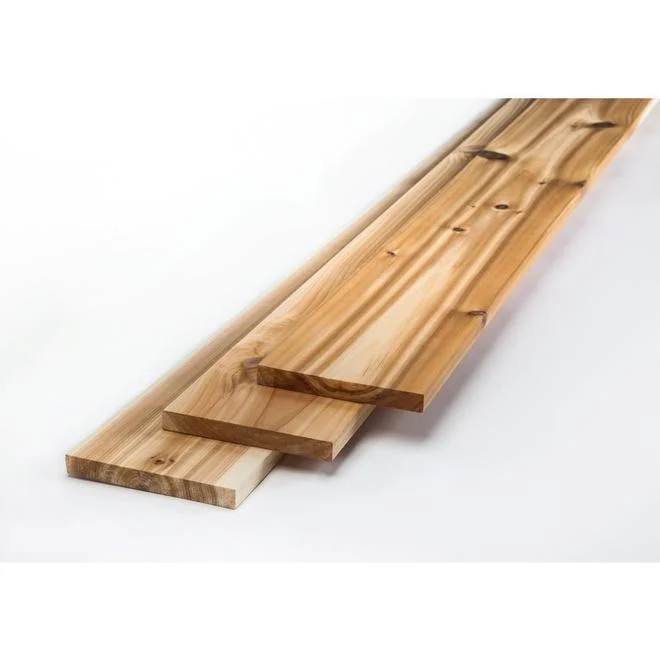
The Fortress Versai Premium Aluminum Gate leads on low-maintenance performance and corrosion resistance, offering a lightweight yet stiff profile that reduces installation labor and lifecycle painting costs compared with steel options. While it lacks the mass of wrought iron, its combination of modern manufacturing tolerances and long warranty makes it a cost-effective market leader for coastal or moisture-prone fence gate applications where aluminum’s rust-free advantage and lower total cost of ownership shine.
Show More Fence Gates
Boerboel Heavy Duty Gate Hinge is the market-leading heavy-duty hinge in this Top 5 list for 2025 thanks to its reinforced bearing design, durable corrosion-resistant coating, and high load capacity that suits large privacy gates across Canada's varied climates. Compared with other hardware options in the list, it strikes the best balance of structural strength and value — more affordable than specialty stainless-steel hinges while offering superior longevity versus basic economy models. Its practical adjustment features and straightforward retrofit installation make it a top pick for Canadian homeowners and contractors focused on long-term privacy solutions.
Show More Fence Hardware
Estimated$49 – $99
The Taiga Building Products Cedar Lattice Top Panel 6x8 is a market leader in aesthetic appeal, combining the timeless beauty of cedar with modern durability. Its lattice top not only enhances visual charm but also allows for air flow and light penetration, setting it apart from heavier, more solid panels. This panel is ideal for decorative uses, catering to those who prioritize aesthetics alongside quality.
Show More Fence Panels
Estimated$180 – $220
The Simpson Strong-Tie FPBM44E Fence Post Base is designed for strength and stability, offering an innovative anchoring solution that elevates the wooden post above ground, significantly reducing rot and pest issues. Compared to other post bases, its engineered design supports quicker installation and better load requirements, making it a conflict-free choice for sturdy fencing. This product is recognized for its adaptability in both residential and commercial applications, showcasing its market leadership in innovative fencing solutions.
Show More Fence Posts
Peak Aluminum Railings offers a blend of affordability and quality, making it accessible for a wider range of consumers. Featuring a no-screw design that enhances visual appeal and safety, Peak competes effectively by ensuring ease of maintenance and installation. Its superior weather resistance features rank it among the top contenders, particularly in varying climate conditions, presenting a strong option for budget-conscious consumers who do not want to compromise on quality.
Show More Fence Rails
Estimated$200 – $300
Frost Wire Products Chain Link Fabric is the market-leading choice for fast, scalable commercial and residential fencing because its modular panels install quickly, offer consistent security, and are cost-effective for tall or long runs. Compared with the other fence-wire types here, chain link balances upfront affordability and low maintenance with less livestock-specific protection, making it ideal where human access control, visibility, and speed of installation are the priorities.
Show More Fence Wire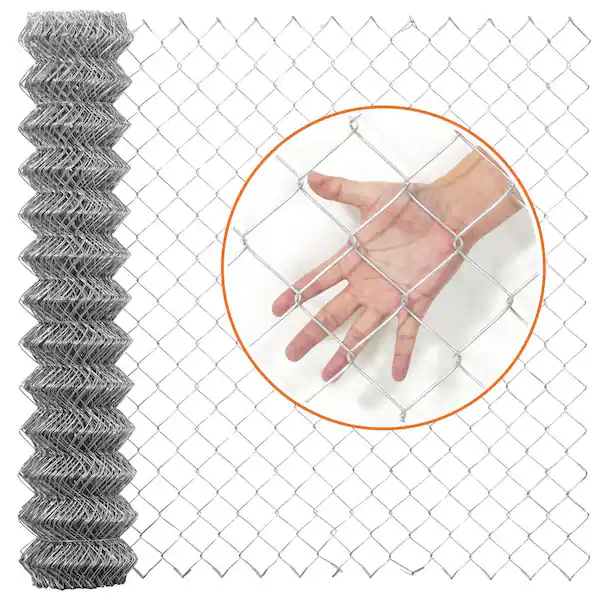
Estimated$150 – $500
What Research and Industry Guidance Say About Fencing Materials
Scientific studies, industry guidance, and lifecycle analyses help explain why certain fencing materials perform better for specific goals—durability, environmental impact, or acoustic privacy. Below are accessible, beginner-friendly takeaways from published research and reputable Canadian organizations that inform material selection.
Life-cycle assessments (LCAs) and reports from Natural Resources Canada and industry groups generally show that sustainably sourced wood can have lower embodied energy and a smaller carbon footprint than many plastic-based or highly processed options, though maintenance and replacement cycles affect long-term impact.
Academic and trade studies indicate composite fencing resists rot and insect damage and reduces routine maintenance; however, composite products vary widely in resin content and recycled material use, which influences their environmental footprint.
Research and guidance from the Canadian Wood Fibre Centre and Forest Products associations show that pressure-treated wood and naturally durable species such as Western Red Cedar perform well across Canadian climates when installed and maintained properly.
Materials science literature finds that galvanized and coated steel and aluminum offer strong corrosion resistance; aluminum is lightweight and highly recyclable, making it a compelling low-maintenance choice for coastal or high-snow-load regions.
Acoustic and building performance studies demonstrate that dense systems like concrete, masonry, or heavyweight panels deliver superior sound attenuation and privacy—useful in urban settings or along busy roads.
Health and environmental reviews note that older PVC formulations contained additives of concern; modern vinyl fencing uses improved UV stabilizers and formulations, but recycling and end-of-life management remain key considerations.
Economic analyses and case studies highlight that the lowest upfront cost (for example, chain-link) can result in higher lifetime costs if replacement, maintenance, and privacy needs are not considered—lifecycle cost comparisons are recommended.
Frequently Asked Questions
Which fence material should I choose for low maintenance?
Choose the Barrette Outdoor Living Elite Vinyl Gate for near-zero maintenance, since it uses heavy-duty PVC (vinyl) that resists rot, peeling, and fading; it’s rated 4.3.
What exact size cedar board does Rona Select offer?
The Rona Select Cedar Fence Board is sized 5/8 x 5-1/2 x 6 ft, made with durable cedar construction and a 4.6 average rating.
Is the National Hardware N109-050 latch worth $50.34?
At $50.34, the National Hardware N109-050 Gate Latch includes a robust design for enhanced security and one-hand operation, with corrosion-resistant construction and a 4.7 average rating.
Will the National Hardware latch handle coastal corrosion?
Yes—the National Hardware N109-050 Gate Latch is corrosion-resistant for long-lasting use, which makes it suitable for coastal areas; it’s rated 4.7 and priced at $50.34.
Conclusion
Across Canada, the right fencing material depends on climate, local bylaws, budget, appearance goals, and how much maintenance you want. We hope this guide helped you find the information you needed about fencing materials for 2026. You can refine or expand your search by material type, price range, warranty, or region using the search tools on this site.