Roof Tiles in Canada — Top 7 Picks for 2026
Published on Thursday, February 26, 2026
Roof tiles are durable, weather-resistant materials designed to shield roofs while enhancing a building's aesthetic character. Available in clay, concrete, slate and modern composite formulations, tiles deliver long service life, strong wind and hail resistance, and attractive textures and colors that suit both heritage and contemporary architecture. Two things separate tile from the rest of the roofing aisle in Canada, and you should settle both before you shortlist a product. First, tile is not a shelf purchase: it is sold by the square (100 sq ft) through roofing distributors, lumberyards and manufacturer dealer networks, and it is normally quoted installed — a typical Canadian concrete or clay tile roof lands in the range of roughly $15 to $30 per square foot supplied and fitted, so per-piece or per-square-foot material prices on this page are the material line only, before underlayment, flashing, labour and disposal. Second, tile is heavy: concrete and clay run roughly 850 to 1,200 lb per roofing square against 200 to 300 lb for asphalt shingles, three to four times the load, so a shingle-to-tile conversion on an existing Canadian house almost always needs a structural engineer's review of the rafters, headers and bearing before it can proceed, and reinforcement is a real line item. Beyond that, buyer preferences here are shaped by climate resilience — freeze-thaw cycling makes the tile's frost resistance and water-absorption rating the decisive spec, not the colour — plus snow and ice loading, long-term durability, low maintenance, and energy performance. Homeowners, architects and specifiers also weigh aesthetic fit with local architecture, warranty and installer availability, upfront cost versus lifecycle value, and environmental impact. Those factors explain why traditional clay and slate remain prized for longevity and beauty, concrete is popular for affordability and thermal mass, and engineered composite tiles are gaining ground where weight, recycled content and lower maintenance are priorities.
Top Picks Summary
Ludowici French Clay Tile
Ludowici French Clay Tile is the market leader for premium natural clay roofing, prized for its century-plus lifespan, authentic aesthetics and excellent color retention. Though it carries a higher initial purchase and installation cost than concrete (Boral, CertainTeed) or composite alternatives (Enviroshake, DaVinci), Ludowici’s low lifecycle maintenance and historic value often deliver superior long-term return for high-end restoration or luxury new-build projects. Its technical advantage is the time-tested performance of fired clay—resistant to fading, rot and freeze-thaw—making it the go-to choice when longevity and authenticity matter most.

$1,800 – $4,000
Boral Barcelona 900 Concrete Tile
Boral Barcelona 900 is positioned as a market-leading concrete roof tile thanks to its proven durability, broad color palette and strong supply chain that keeps installed cost competitive versus premium synthetics. Compared with the lighter composite options in this list it offers superior thermal mass and lower upfront material cost, making it a practical choice for large-scale projects where budget and longevity matter most.

$5 – $8
DaVinci Bellaforté Slate
DaVinci Bellaforté Slate is best-in-class among synthetic slate products for its ultra-realistic texture and low weight, delivering the historic look of natural slate without the need for heavy roof framing. Technically it outperforms concrete and natural slate options here by reducing installation time and long-term maintenance, though it carries a higher upfront price that is often offset by lifecycle savings.

$9 – $13
Enviroshake Composite Cedar Shake
Enviroshake Composite Cedar Shake offers a realistic cedar-shake appearance with the low maintenance, improved fire resistance and lighter weight of modern composites—benefits that reduce roofing assembly and maintenance costs over time versus natural wood. Its chief advantage over traditional materials (cedar, clay, concrete) is the combination of wood-like aesthetics and reduced whole-life expenses, and it competes with premium synthetics like DaVinci by emphasizing cost-effective realism and easier handling. For projects prioritizing curb appeal without the ongoing upkeep of real wood, Enviroshake provides a balanced technical and financial alternative.
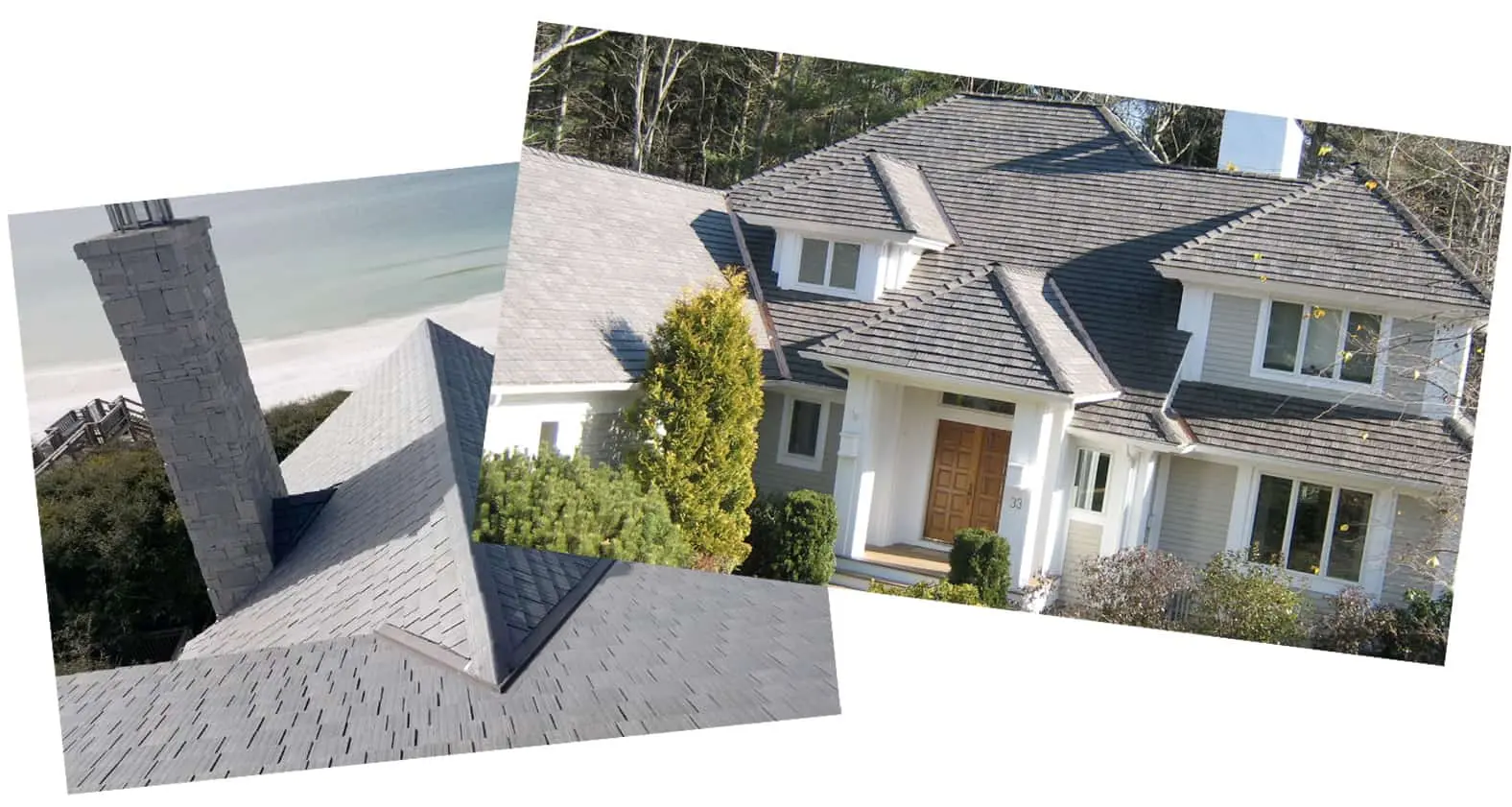
North Country Unfading Black Slate
North Country Unfading Black Slate represents the traditional end of the spectrum, offering authentic natural slate with exceptional color stability and a multi-decade service life that minimizes replacement expense over time. Compared to the synthetic and concrete tiles listed, its main financial trade-off is a higher initial cost and heavier installation requirements, but it typically yields the lowest total cost of ownership for historic or premium builds.
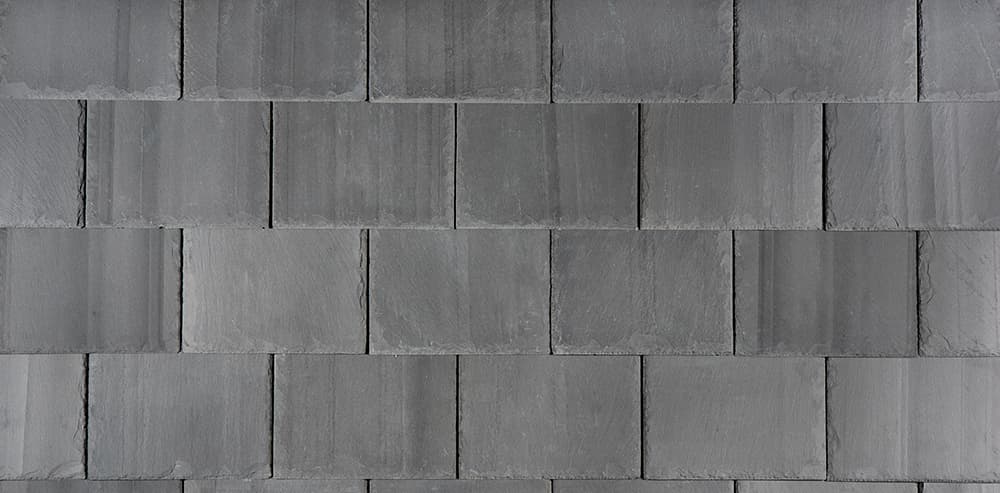
$8 – $14
Westlake Royal Roofing Cedarlite 600 Concrete Tile
Westlake Royal Cedarlite 600 blends concrete tile durability with a cedar-shake aesthetic and a design focused on rapid, cost-efficient installation for residential applications. Financially it competes with Boral on value per square foot while offering a distinct profile that can reduce labor time compared with heavy natural slate or some premium composites on this list.
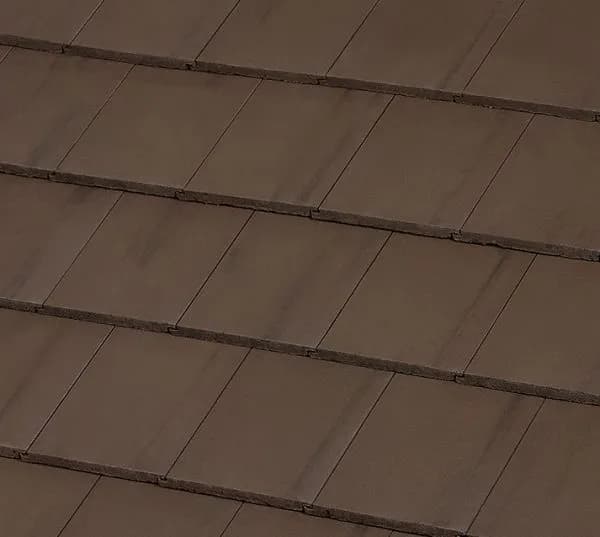
$3 – $6
BRAVA Spanish Barrel Vault Composite Tile
BRAVA Spanish Barrel Vault delivers the iconic Spanish clay barrel look in a lightweight composite that avoids the weight and fragility of traditional clay while providing superior color retention and impact resistance. Technically it gives installers and homeowners the aesthetic advantages of clay without structural reinforcement costs, positioning it as a premium but often cost-saving alternative to heavy clay or natural slate roofs listed here.

$8 – $12
What research and testing say about roof tiles
Laboratory testing and field studies consistently show that roof tiles offer measurable benefits in durability, energy performance and lifecycle cost when selected and installed to match local climate and building assembly. Tests address freeze-thaw durability, impact and hail resistance, wind uplift, and long-term water management. Thermal studies show that high-mass tiles (clay, concrete) can reduce attic heat gains in summer and moderate temperature swings, while well-ventilated tile roofs paired with insulation improve overall energy efficiency. Composite tiles are often validated for reduced weight, recycled-content claims, and consistent performance through accelerated weathering tests. Choosing products with recognized testing, certified ratings and strong warranties reduces long-term risk.
Freeze-thaw and moisture testing: tiles that pass standardized freeze-thaw cycles resist cracking and spalling in cold climates — in Canada this is the single most decisive spec, so ask the distributor for the freeze-thaw grade and water-absorption figure before you choose on looks.
Impact and hail resistance: laboratory impact tests and field reports help predict damage rates in hail-prone regions.
Thermal performance: studies show thermal mass and ventilated tile roof systems can lower summer heat transfer and improve comfort.
Lifecycle and embodied carbon: lifecycle assessments compare upfront emissions and long-term replacement frequency to find true cost and environmental impact.
Installation and roof assembly matter: even the best tile requires correct underlayment, flashing and ventilation to meet performance expectations. In Canadian snow country the synthetic water-resistive underlayment under the tile is what actually keeps meltwater out, and re-roofing is permit and code work under the National Building Code as adopted provincially.
Frequently Asked Questions
Which roof tile should I choose for heritage style?
Choose Ludowici French Clay Tile for heritage or high-end projects, since it uses a traditional French-style terra-cotta profile and has an average rating of 4.6.
Does Boral Barcelona 900 handle Canadian freeze-thaw conditions?
Yes—Boral Barcelona 900 is engineered for durability with good freeze-thaw and wind resistance for Canadian climates.
How does concrete compare to slate and composite for weight and cost?
Concrete tiles such as the Boral Barcelona 900 are the heaviest option here—roughly 850 lb per roofing square—so they usually need reinforced framing, but they carry the lowest material cost. Natural slate like North Country Unfading Black lasts longest (often a century) but is also heavy and the most labour-intensive to install. Composite tiles such as DaVinci Bellaforté Slate and Enviroshake are far lighter, install over standard decking, and carry Class 4 impact ratings, trading a higher upfront price for lower structural and maintenance costs.
Is DaVinci Bellaforté Slate lightweight for easier installation?
Yes—DaVinci Bellaforté Slate is lightweight engineered polymer that replicates natural slate’s look and texture without the weight, making it suitable for simple installation over existing decking. It carries a Class 4 impact rating, Class A fire rating and a limited lifetime warranty.
Conclusion
In Canada, roof tiles remain a strong choice for homeowners and builders who prioritize longevity, weather resistance and architectural character. The seven top picks on this page — Ludowici French Clay Tile, Boral Barcelona 900 Concrete Tile, DaVinci Bellaforté Slate, Enviroshake Composite Cedar Shake, North Country Unfading Black Slate, Westlake Royal Roofing Cedarlite 600 Concrete Tile, and BRAVA Spanish Barrel Vault Composite Tile — represent the main material families and performance tradeoffs you will encounter. For most Canadian homes seeking a balance of authentic slate appearance, improved freeze-thaw performance and lighter weight, the DaVinci Bellaforté Slate is the best overall choice — and because it installs over standard decking without the load of clay or concrete, it is usually the only one of the three heavy families you can specify without an engineer's report first. None of these are ordered from a general retailer: you buy them through the manufacturer's dealer network, a roofing distributor or a lumberyard, by the square and normally with the installation quoted alongside. We hope you found what you were looking for; use the search to refine by province, warranty, installer availability or material type to expand or narrow your options.