

Top 5 Fiber Cement Siding Options in Canada for 2026: Durable Solutions for Your Home
Fiber cement siding is an exterior cladding made from cement, sand and cellulose fibres. It resists rot, termites and fire, holds paint far longer than wood, and needs little upkeep, which is why it keeps showing up on Canadian re-clads. Two things decide how it goes here. First, the climate formulation: James Hardie splits its boards through the HardieZone system into HZ5 for northern freeze-thaw climates and HZ10 for hot, humid ones, and Canada is HZ5 territory. Second, this is a building material sold by the plank through lumber yards and building-supply dealers, not a boxed consumer good — an 8.25 in. x 12 ft. board covers about 7 sq ft and weighs about 21 lb, and most jobs are quoted and installed by a siding contractor.
Inception's AI took the time to understand this market in Canada · · How we pickWe may earn a commission on purchases. It never affects our rankings.
Top Picks Summary
James Hardie HardiePlank Lap Siding
James Hardie's HardiePlank Lap Siding is a flagship product renowned for its unmatched durability and aesthetic appeal. Its moisture-resistant technology has set the industry standard, reducing the need for maintenance compared to traditional wood siding. With a wide color selection and superior warranty offerings, it consistently outperforms competitors in both value and longevity, making it the top choice for homeowners and builders alike.

James Hardie HardiePanel Vertical Siding
The HardiePanel Vertical Siding by James Hardie offers unique design flexibility with clean lines and a modern aesthetic. It’s engineered to withstand harsh weather, providing enhanced protection against the elements. Compared to other vertical siding options, it boasts superior resistance to rot and termites, maintaining structural integrity for years. Its high resale value makes it a preferred choice for contemporary architecture.
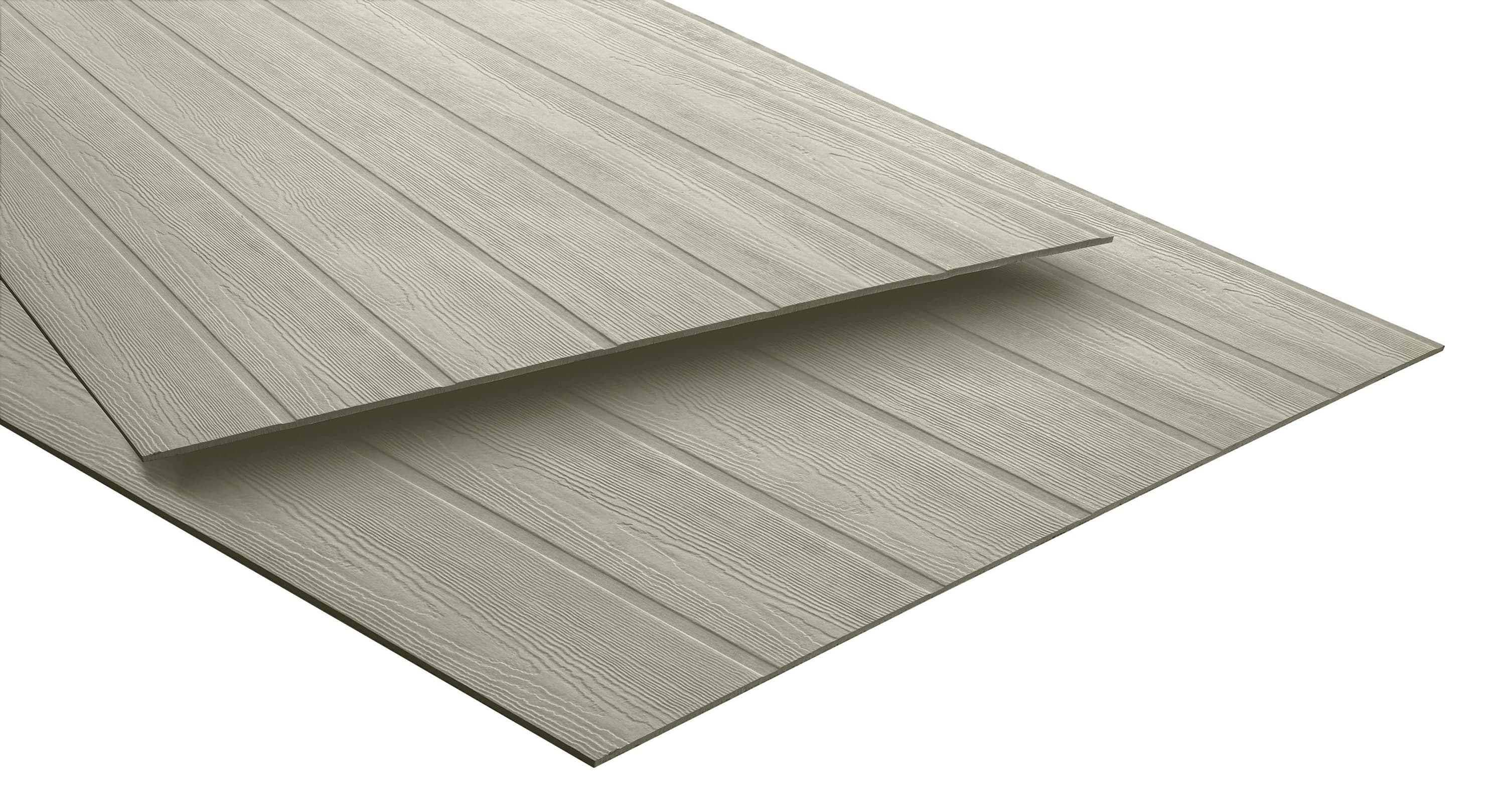
Allura Fiber Cement Lap Siding
Allura Fiber Cement Lap Siding is known for its rich textures and vibrant colors that authentically mimic wood finish while offering superior durability. It matches the long-lasting attributes of James Hardie's products and comes with an impressive warranty. However, Allura stands out due to its eco-friendly manufacturing process and lower environmental impact, appealing to sustainability-conscious consumers.

Estimated$200 – $300
Nichiha CedarTouch Cedar Texture Lap Siding
Nichiha’s CedarTouch Cedar Texture Lap Siding provides homeowners a charming wood-like appearance without the maintenance drawbacks. Its unique manufacturing technique results in a lightweight yet sturdy profile, making it easier to install than heavier alternatives. While its pricing might be slightly higher, Nichiha’s innovative design and aesthetic appeal make it a worthwhile investment for custom applications.
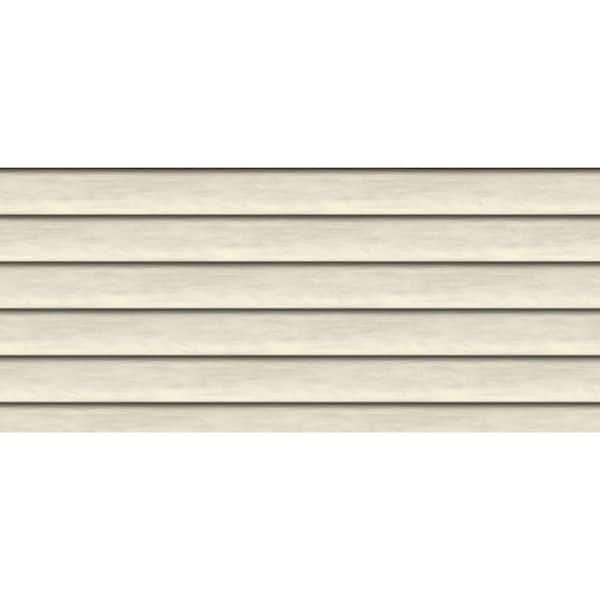
Estimated$300 – $450
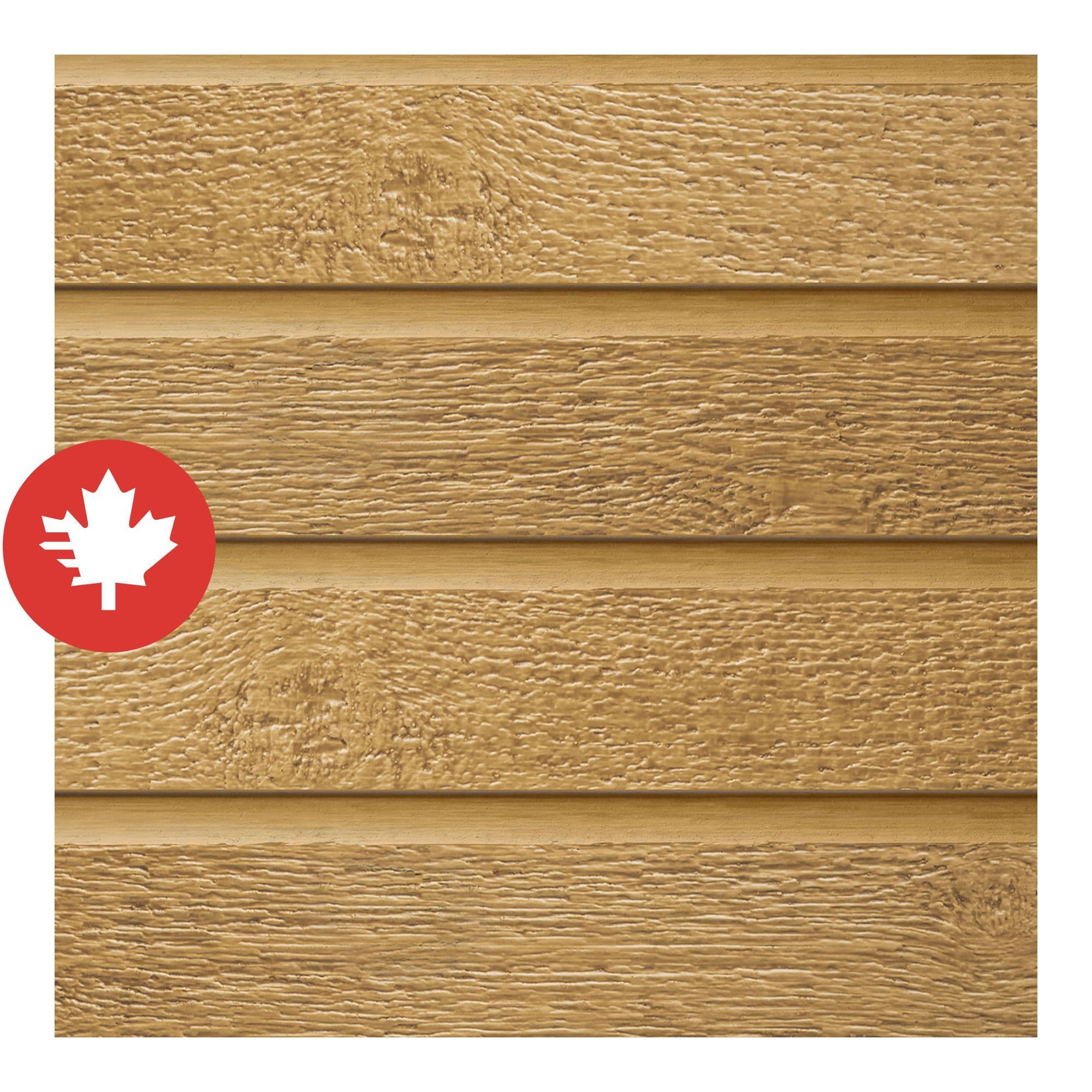
CanExel Ridgewood D-5 Fiber Cement Siding
CanExel Ridgewood D-5 is a pre-finished high-density engineered wood siding (made by Kaycan/Maibec from wood fibre, resin and wax), not a fiber cement product, though it is frequently cross-shopped with fiber cement for the same Canadian climate. Its Dutch lap profile delivers a deep, authentic wood grain, and its factory thermoset paint resists fading, cracking and peeling through harsh winters. For buyers who want a true wood-grain look from a Canadian manufacturer, it is a strong alternative to cement-based boards.
We may earn a commission on purchases. It never affects our rankings.
Estimated$250 – $400
Understanding Fiber Cement Siding
Fiber Cement Siding combines functionality and beauty, appealing to both modern and traditional aesthetics. Here are some key insights about its benefits:
Warranties are the honest durability yardstick: James Hardie backs the board with a 30-year non-prorated, transferable substrate warranty and 15 years on its ColorPlus factory finish, while Allura's lap siding carries a 30-year limited warranty.
Cutting fiber cement releases respirable crystalline silica — the material can be up to roughly 50% crystalline silica by weight, and long-term exposure causes silicosis. The manufacturer's own guidance is score-and-snap, fiber cement shears, or a HardieBlade in a dust-reducing circular saw connected to a HEPA vacuum; dry-cutting with an ordinary circular saw is the practice to avoid.
Fiber cement effectively resists mold and mildew, which are common problems in Canada's humid climate, ensuring your home stays beautiful and structurally sound.
Due to its fire-resistant properties, fiber cement siding can provide enhanced safety for your home, an essential feature for homeowners concerned about fire hazards.
Using sustainable materials, fiber cement siding contributes to eco-friendly building practices, aligning with the growing trend towards environmentally conscious home improvements.
Decide between primed boards you paint on site and factory-finished ColorPlus or pre-painted stock: the factory finish is what the separate 15-year finish warranty covers, and it removes a full paint stage from the job.
Frequently Asked Questions
Do I need HZ5 or HZ10 James Hardie siding in Canada?
HZ5. James Hardie's HardieZone system makes two formulations of the same product: HZ5 for northern climates with freezing temperatures, ice and seasonal freeze-thaw cycles, and HZ10 for hot, humid regions. Canada sits in the HZ5 zone, so specify HZ5 boards when you order — they are not sold at a premium over HZ10.
How should fiber cement siding be cut safely?
Cutting it releases respirable crystalline silica; fiber cement can be up to about 50% crystalline silica by weight, and repeated exposure causes silicosis. Use score-and-snap, fiber cement shears, or a HardieBlade in a dust-reducing circular saw hooked to a HEPA vacuum, cut outdoors with the wind at your back, and wear a fitted respirator. Dry-cutting with a standard circular saw and no extraction is the method to avoid.
Can I order fiber cement siding online and install it myself?
Rarely. It is sold by the plank through lumber yards and building-supply dealers rather than shipped as a consumer parcel — an 8.25 in. x 12 ft. HardiePlank board covers about 7 sq ft and weighs about 21 lb, so it is a two-person board that needs blind nailing, correct flashing and clearance details. Budget for a contractor: 2026 North American estimates put a finished fiber cement job at roughly US$6.50–$14 per sq ft installed, with labour about half of that, and Canadian quotes vary by province and wall complexity.
Which siding should I choose for harsh Canadian weather?
James Hardie HardiePlank Lap Siding in the HZ5 formulation, which is engineered for freeze-thaw climates and backed by a 30-year transferable substrate warranty. It is moisture-resistant, non-combustible and low-maintenance; it is rated 4.6 here.
Conclusion
In summary, fiber cement siding offers exceptional durability and aesthetic options for homes in Canada. The boards showcased here are James Hardie HardiePlank Lap Siding, James Hardie HardiePanel Vertical Siding, Allura Fiber Cement Lap Siding and Nichiha CedarTouch Cedar Texture Lap Siding, alongside CanExel Ridgewood D-5, which is engineered wood rather than fiber cement but is routinely cross-shopped against it in Canada. Each provides unique benefits, but James Hardie HardiePlank Lap Siding stands out for its proven track record and design versatility. We hope you found the information you were looking for, and if you wish to refine or expand your search, feel free to use the search function on Inception.