Top 5 Exterior Doors in Canada for 2026: An Expert Guide to Security, Energy Efficiency, and Curb Appeal — Which Door Is Right for Your Home?
Published on Tuesday, February 3, 2026
Exterior doors offer the primary entry points to a home and are engineered to combine security, weather resistance, and visual appeal. In Canada, where climates range from wet maritime coasts to frigid continental interiors, consumers prioritize strong materials, high thermal performance, and low maintenance. Buyers also look for doors that deliver reliable insulation (to reduce heating bills), durable hardware (to resist corrosion and forced entry), and design flexibility to match curb appeal. Practical choices often balance upfront cost, expected lifespan, and energy efficiency; popular market trends in 2026 emphasize insulated fiberglass and steel systems, improved glazing options for light and privacy, and factory-applied finishes that withstand seasonal extremes.
Top Picks Summary
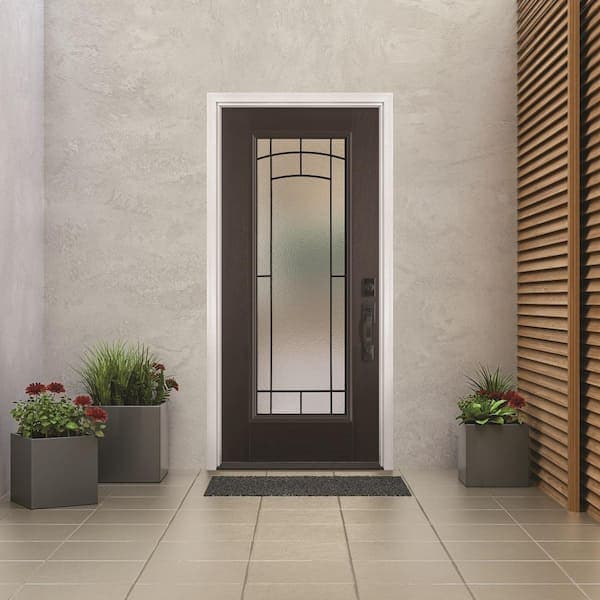
Masonite Barrington Fiberglass Entry Door
The Masonite Barrington is positioned as a best-in-class fiberglass exterior entry door thanks to its realistic woodgrain finishes, high insulation values, and low-maintenance durability that outperforms many steel options in long-term resale and rot resistance. Compared with the steel doors in this list, the Barrington trades a slightly higher upfront cost for superior thermal performance and weather resistance, and it competes closely with glass-forward models like the Feather River for premium curb appeal while offering easier upkeep.
$900 – $1,600
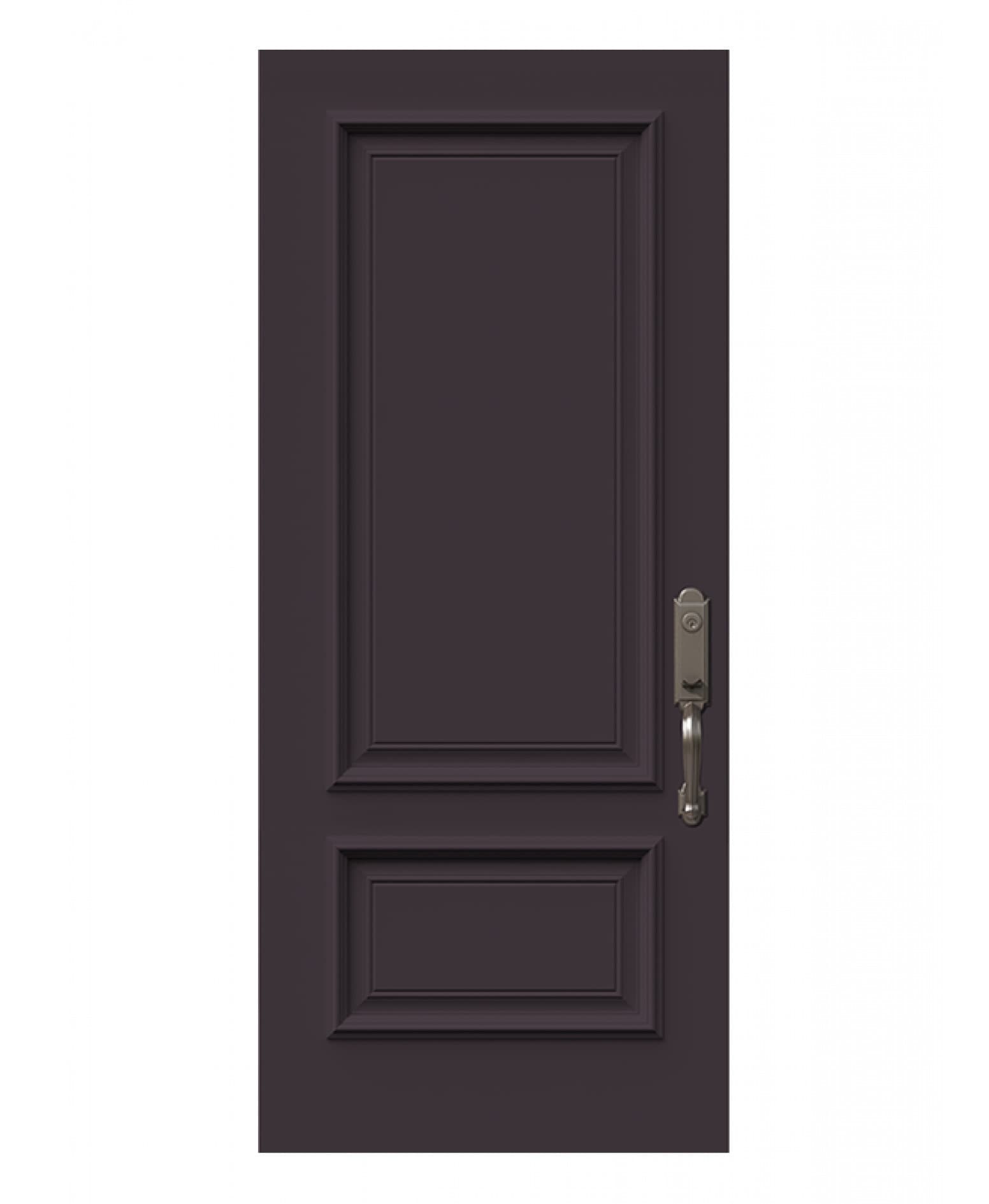
JELD-WEN Premium Steel Entry Door
JELD-WEN’s Premium Steel Entry Door is a market leader for buyers seeking security and value, delivering strong impact resistance and a lower entry price than most fiberglass and architectural steel alternatives. Financially it offers one of the best price-to-performance ratios among these products, making it a go-to choice where budget and wide availability trump the high-end finishes or custom glass options found in other models on this list.

Novatech Stella Steel Door
The Novatech Stella Steel Door distinguishes itself as a performance-oriented steel option with heavy-gauge construction, thermal breaks, and customization geared for cold climates, giving it a technical advantage in insulation and corrosion resistance over generic steel entries. While it typically commands a premium over basic steel doors like JELD-WEN, Novatech provides a middle ground between affordability and the architectural robustness of the more expensive steel models on this list.
$700 – $1,400
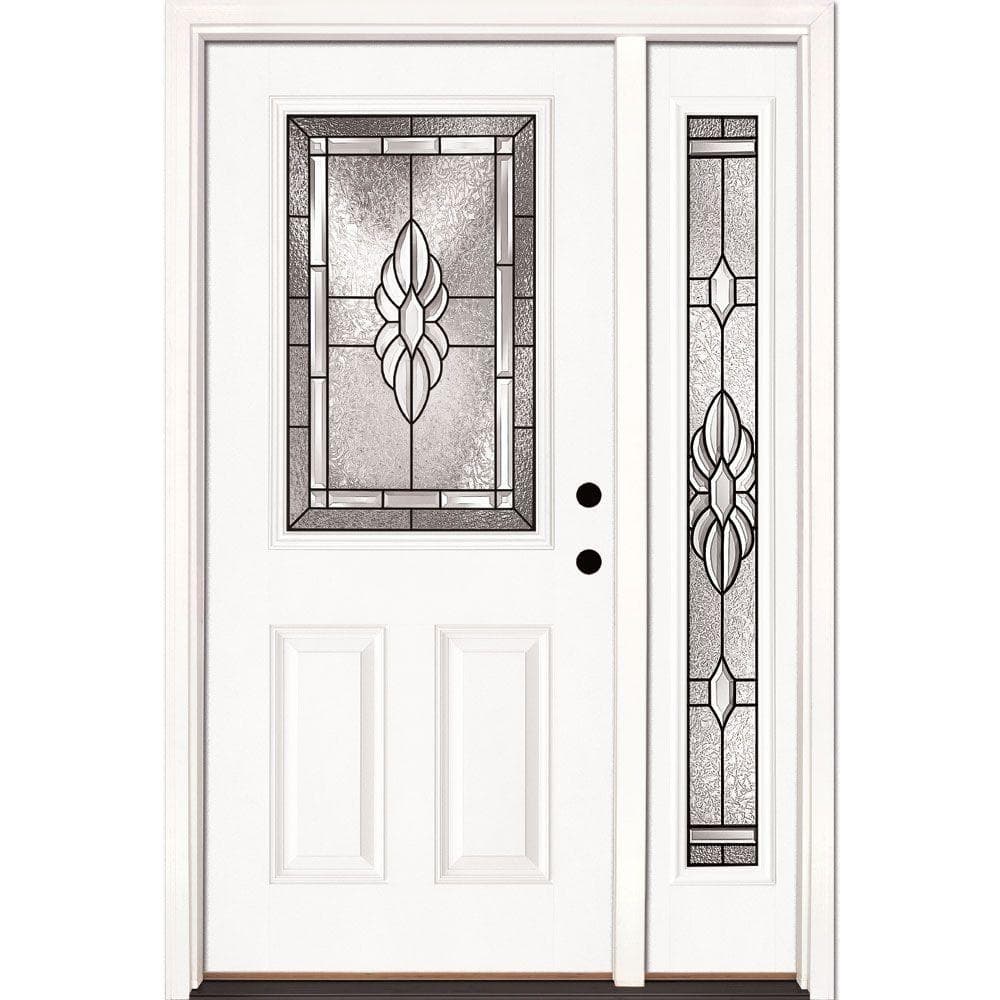
Feather River Sapphire Patina Glass Fiberglass Door
Feather River’s Sapphire Patina glass fiberglass door stands out for designer appeal, combining durable fiberglass carcasses with decorative patina glass that maximizes daylight and curb impact, making it the choice for aesthetics-focused exterior door projects. It is generally pricier than plain fiberglass or steel doors, but its unique glass artistry and light-transmitting performance justify the investment for homeowners wanting immediate visual payoff compared with the more conservative Masonite or JELD-WEN options.
$1,400 – $2,800
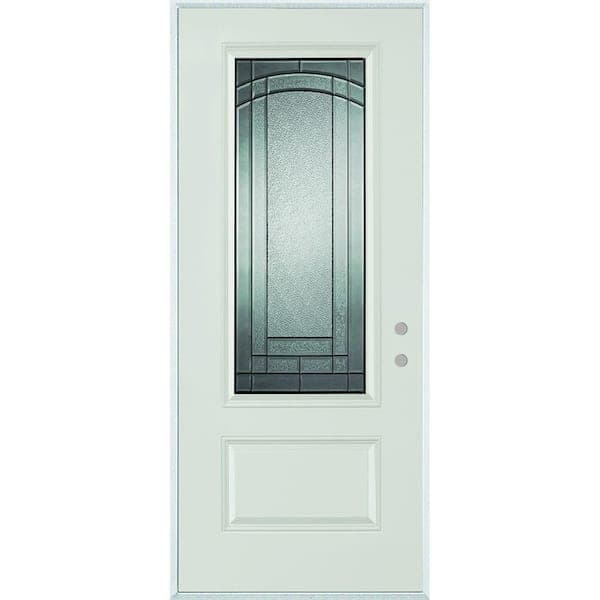
Stanley Doors Architectural Steel Door
Stanley Doors’ Architectural Steel Door serves the high-end architectural market with precision-engineered profiles, premium hardware, and tight tolerances that appeal to commercial and upscale residential projects seeking modern minimalism and long-term durability. Technically and financially it sits at the top of the list—typically costing more than standard steel and fiberglass entries like JELD-WEN or Masonite—yet it offers superior customization and specification-level components that professionals prefer for design-driven exterior installations.
$1,800 – $3,500
What Research Says About Exterior Doors and Their Benefits
Building science research and industry testing highlight how door material, insulation, and fitting influence energy use, comfort, and durability. Canadian energy and construction guidance emphasizes airtightness, thermal resistance, and long-term performance in colder climates. Comparative testing of steel and fiberglass doors shows both can meet high security and insulation standards when built with reinforced cores and proper weather-stripping. Glazed door variants offer daylighting benefits but require thermally broken frames or double- or triple-pane glazing to limit heat loss. Selecting doors with certified energy ratings and tested hardware improves overall home performance and occupant comfort.
Insulation and air tightness matter: higher R-values and effective weather-stripping reduce heat loss and heating costs, particularly in cold Canadian winters.
Material durability: fiberglass resists denting and rot and maintains finish in extreme weather; steel offers strong impact and forced-entry resistance but needs proper coatings to avoid corrosion.
Glazing trade-offs: glass inserts increase daylighting and curb appeal but can lower thermal performance unless using insulated, low-emissivity (low-E) glazing.
Lifecycle costs: a slightly higher upfront investment in a well-insulated, durable door often returns value through energy savings and fewer repairs.
Security features: multi-point locking systems and reinforced frames measurably improve resistance to break-ins versus basic locks.
Acoustic and comfort benefits: insulated doors and proper seals reduce outdoor noise and drafts, improving indoor comfort.
Conclusion
In Canada, selecting the right exterior door means balancing climate performance, security, and style. The five standout options covered here — Masonite Barrington Fiberglass Entry Door, JELD-WEN Premium Steel Entry Door, Novatech Stella Steel Door, Feather River Sapphire Patina Glass Fiberglass Door, and Stanley Doors Architectural Steel Door — each address those priorities in different ways. For most Canadian homeowners seeking a practical combination of energy efficiency, durability, and low maintenance, the Masonite Barrington Fiberglass Entry Door is the best overall choice on this list, while the JELD-WEN and Novatech steel models excel for security-focused needs, the Feather River model is ideal where decorative glazing and light are important, and the Stanley architectural steel door suits premium, contemporary builds. I hope you found what you were looking for — refine or expand your search using the site search if you want comparisons by price, thermal rating, finish options, or local installers.