

Top 9 Circuit Breakers and Panels for Safe Electricity Management in Canada - 2026
Short answer: for a new or upgraded Canadian service, a 200 A main-breaker load centre is the default; every breaker has to be CSA-certified and listed for the exact panel it goes into; and anything at the service itself — panel swap, main breaker, service upgrade — needs a permit and, in most provinces, a licensed electrical contractor. Circuit breakers and load centres are the part of a house's wiring that decides whether an overload or a loose connection ends as a tripped breaker or as a fire. What makes the Canadian market different from the US one is that a breaker is not a generic part: it is certified as a matched pair with the panel it sits in, and the panel's own label lists the catalogue numbers it will accept. That single fact rules out most of the cheap cross-brand breakers sold online.
Inception's AI took the time to understand this market in Canada · · How we pickWe may earn a commission on purchases. It never affects our rankings.
Top Picks Summary
- Federal Pioneer Stab-lok NA120AF
- Eaton CH42B200K Main Breaker Load Center
- Leviton GFCI Receptacle 20A SmartlockPro
- Square D QO 200 Amp 42-Space 42-Circuit Indoor Main Breaker Plug-On Neutral Load Centre
- Siemens Q2100 100-Amp Main Breaker
- Square D Homeline HOM120 20A Single Pole Circuit Breaker
- Legrand Pass & Seymour Toggle Wall Plate
- Eaton BR2200 200-Amp Main Breaker
- Commander CMP1224 125A Subpanel
The Eaton CH42B200K stands out for heavier-duty capacity and robust busbar design suited to larger panels or service upgrades, giving it a technical advantage where higher main-ampacity and breaker compatibility matter. It is typically priced above entry-level panels but offers greater expandability and breaker selection than compact Leviton or basic Siemens residential load centers, making it a preferred option for contractors handling larger electrical loads.
Show More Busbars Circuit Breakers and Panels
Estimated$320 – $480
Leviton's 20A SmartlockPro GFCI is positioned as a top choice for higher-load ground fault protection, combining a rugged 20-amp rating with installation-friendly features and integrated tamper resistance. Compared with the 15A units in this list, it offers fewer circuit limitations and can reduce the need for additional runs on kitchens and garages, while trading some of the pure commercial durability of Hubbell for smarter residential/contractor-friendly features.
Show More Ground Fault Circuit Interrupters
We may earn a commission on purchases. It never affects our rankings.
$126.51CAD
Square D QO 200 Amp 42-Space 42-Circuit Indoor Main Breaker Plug-On Neutral Load Centre
The Square D QO 200A 42-space plug-on neutral load center is presented as a market-leading, premium choice due to its high-quality QO breakers, strong interruption ratings and reputation for fast, reliable trip performance that reduce long-term maintenance risk. While it carries a higher upfront cost than Homeline or Eaton BR alternatives, its technical advantages in breaker sensitivity and diagnostics make it attractive for homeowners and contractors who prioritize durability and lower lifecycle risk over initial price.
Show More Load Centers
Estimated$320 – $480
The Siemens Q2100 100-Amp Main Breaker stands out for its reliability and efficiency in both residential and commercial installations. Its high-quality construction ensures lower maintenance costs, making it an economical choice. Compared to others in this list, its compact design allows for more flexible installation options, enhancing its versatility.
Show More Main Breakers
We may earn a commission on purchases. It never affects our rankings.
$94.25CAD
The Square D Homeline HOM120 20A Single Pole Circuit Breaker is renowned for its reliability and affordability. It offers a robust design that ensures optimal protection for residential applications, setting it apart from competitors with a strong reputation and extensive field tests backing its performance. Additionally, its compatibility with the Homeline panel series allows for easy installation and upgrades, providing significant financial advantages for users seeking cost-effective solutions.
Show More Miniature Circuit Breakers
Estimated$40 – $60
The Legrand Pass & Seymour Toggle Wall Plate stands out due to its durability and stylish design, making it a favorite among homeowners and professionals alike. It is crafted with high-quality materials that resist fading and discoloration over time, ensuring a long-lasting finish. Compared to other products, its ease of installation and range of colors gives it a competitive edge, catering well to modern aesthetic preferences while providing solid protection for electrical components.
Show More Panel Accessories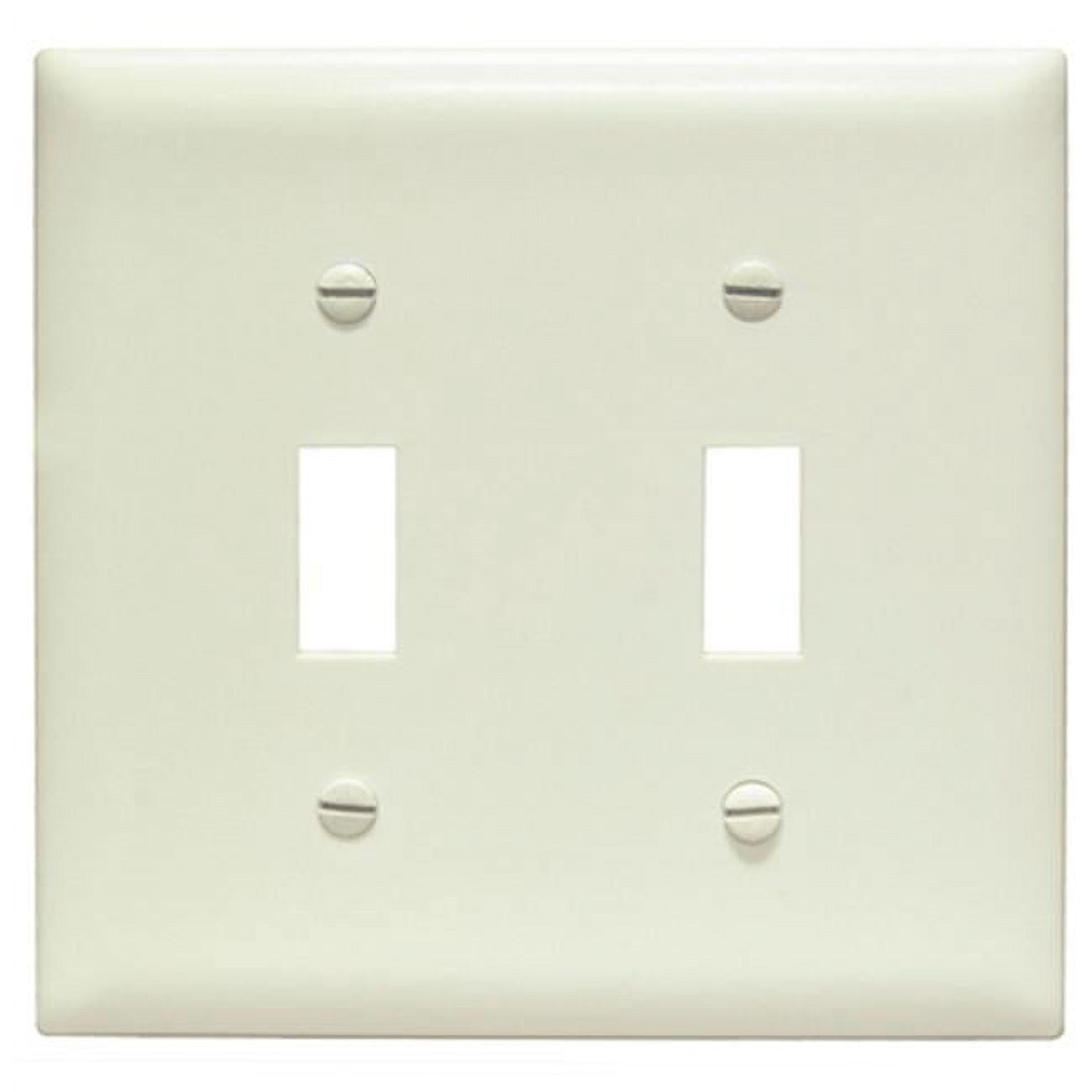
Estimated$10 – $15
The Commander CMP1224 125A Subpanel offers a perfect blend of simplicity and functionality, designed specifically for subpanel applications. Its competitive pricing and ease of installation make it ideal for additional distribution in homes or workshops. While it may lack some advanced features seen in others on this list, its straightforward design and reliability serve well for basic electrical needs. Being versatile for small to medium loads, it provides a strong value proposition for budget-focused consumers.
Show More Subpanels Circuit Breakers and Panels
Estimated$200 – $300
Understanding Circuit Breakers and Panels
What actually governs a breaker or panel purchase in Canada: certification, panel-specific listing, and the code rules that decide which protection a circuit needs.
A breaker is certified as part of a panel, not on its own. The panel's label lists the breaker catalogue numbers it accepts, and fitting another brand or series voids the certification of the installation.
Canadian Electrical Code Rule 26-724 requires combination-type AFCI protection on dwelling-unit branch circuits supplying 125 V receptacles rated 20 A or less.
GFCI protection is required for receptacles in bathrooms, garages and outdoor locations, and within 1.5 m of a sink. It can be provided at the breaker or at the receptacle.
Everything installed has to be approved by an accredited certification body — a CSA, cUL or cETL mark. Uncertified breakers bought from overseas sellers fail inspection and give an insurer grounds to contest a claim.
200 A is the practical service size once a home has an EV charger, a heat pump or an electric range; 100 A services run out of headroom quickly when any of those is added.
A sub-panel adds circuits off an existing service. It does not increase how much power the house can draw — that is set by the main breaker and the service conductors.
Frequently Asked Questions
Will a Square D breaker fit an Eaton or Siemens panel?
No. Breakers are certified as part of a specific panel, and the panel's label lists the breaker catalogue numbers it accepts. Fitting another brand or series voids the certification of the installation and is a code violation an inspector or insurer can act on. On this list the Square D QO load centre takes QO plug-on-neutral breakers, Eaton BR and CH are two separate non-interchangeable series, and the Siemens Q120 fits Siemens Q-series panels only.
What main-breaker amperage do most Canadian homes need?
200 A is the practical default for a new or upgraded service, and it is generally what you need before adding an EV charger, a heat pump or an electric range; many older homes still run on 100 A. The 200 A options on this list are the Square D QO load centre, the Square D Homeline HOM2200 main breaker and the Eaton 200 A main breaker. The Commander CMP1224 is a 125 A sub-panel — it feeds extra circuits in a garage or workshop off an existing service, it does not raise the size of that service.
Do new circuits need AFCI or GFCI protection?
Often both, depending on location. Canadian Electrical Code Rule 26-724 requires combination-type AFCI protection on dwelling-unit branch circuits supplying 125 V receptacles rated 20 A or less. GFCI protection is separately required for receptacles in bathrooms, garages and outdoors, and within 1.5 m of a sink — the Leviton SmartlockPro 20 A GFCI receptacle on this list provides that at the outlet instead of at the panel.
Can I install a breaker or replace a panel myself?
Adding or swapping a single branch breaker is permitted for a homeowner in some provinces, subject to a permit and inspection. Anything at the service — replacing a panel, changing a main breaker, upgrading the service — requires a permit and, in most provinces, a licensed electrical contractor. The conductors ahead of the main breaker remain live with the main switched off, which is why that work is not a DIY job. Confirm the rules with your provincial authority before starting.
Conclusion
The buying decision here is narrower than it looks: identify the panel you already own, read its label, and buy the breaker series it names. Where the job touches the service — replacing a panel, changing a main breaker, upgrading to 200 A — it needs a permit and a licensed electrical contractor, because the conductors feeding the main breaker stay energised even with the main switched off. Check the requirements with your provincial authority (the Electrical Safety Authority in Ontario, Technical Safety BC, and the equivalent body in your province) before ordering parts.