

Top 5 Lug Terminals in Canada for 2026: Installer-Tested Options for Confident, Code‑Compliant Connections
Lug terminals are electrical connectors designed to provide a secure and reliable attachment between wires and terminals, typically featuring a hole for a screw or bolt. They are essential for ensuring proper conductivity and mechanical stability in residential, commercial and industrial electrical systems. In Canada, buyer preferences in 2026 lean toward lugs that combine proven electrical performance with installation speed, corrosion resistance for harsh climates, and compliance with CSA/UL standards. Electricians and facility managers prioritize products that reduce installation time (crimp or compression compatibility), minimize contact resistance under load, and resist corrosion in coastal and winter environments. Renewable-energy, EV charging, and energy-storage projects are increasing demand for high-current copper and tinned options, while building-code-driven requirements push for insulated and labelled solutions that simplify inspection and maintenance.
Inception's AI took the time to understand this market in Canada · · How we pickWe may earn a commission on purchases. It never affects our rankings.
Top Picks Summary
3M Scotchlok Ring Terminals
3M Scotchlok ring terminals are best-in-class for fast, reliable crimped terminations with integrated insulation and consistent field performance, backed by broad distribution and economical bulk pricing. Compared with compression-style lugs like Burndy YA, Scotchlok rings are easier and cheaper to install in the field but trade off ultimate current capacity and long-term low-resistance performance required for heavy power applications.

Estimated$5 – $40
Burndy YA Series Compression Lugs
Burndy YA Series compression lugs are market leaders for high-current, utility-grade copper terminations, offering exceptional mechanical strength, low contact resistance and long service life. They command a higher upfront cost and require proper compression tooling, but outperform solderless ring terminals (3M, T&B) for critical power systems where conductivity, vibration resistance, and lifecycle cost matter most.

Estimated$20 – $150
Thomas & Betts Sta-Kon Ring Terminals
Thomas & Betts Sta-Kon ring terminals are valued by electricians for precise manufacturing tolerances, a wide range of insulated options, and a competitive price/performance balance. They provide a more robust, reliable solderless termination than generic rings and are simpler to deploy in panel and control work than heavy compression lugs, though they are not intended for the highest-current conductor terminations.

Estimated$5 – $40
Panduit LCD Series Copper Lugs
Panduit LCD Series copper lugs deliver specification-grade lug performance with plated copper, tight dimensional control and low impedance characteristics suited to industrial and data-center power distribution. More expensive than typical ring terminals, Panduit lugs occupy a middle ground between commodity insulated rings and heavy compression lugs, offering traceability and consistency that justify the premium in mission-critical installations.

Estimated$15 – $200
NSi Industries Polaris Insulated Lugs
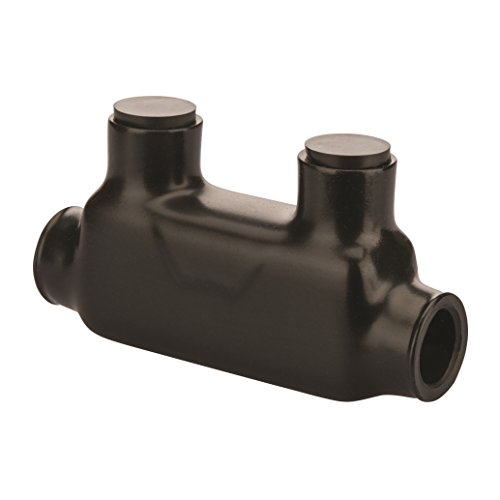
NSi Polaris insulated lugs combine corrosion-resistant finishes with economical insulated terminations, making them a strong value choice for light to medium duty building wiring and service work. Versus the specialized Burndy compression series or premium Panduit lugs, Polaris offers lower installed cost and simpler tooling needs, though it sacrifices the highest current capacity and some of the performance margins required for heavy industrial feeders.
Why lug terminal performance matters — research and standards, explained
Multiple engineering studies and industry test protocols show that properly matched lugs, conductors and installation methods meaningfully reduce heat build-up, voltage drop and long-term maintenance costs. Standards from CSA, UL and IEC define performance and safety requirements; independent laboratory tests and manufacturer qualification testing validate mechanical retention, contact resistance and corrosion resistance. For beginners, the main scientific takeaways are simple: good materials (copper or tinned copper), correct installation (proper crimp or compression and specified torque) and compliance with relevant standards yield safer, longer-lasting connections.
Contact resistance testing: Lower contact resistance reduces heating under load; factory-tinned copper and solid-copper lugs typically perform best in tests simulating continuous current.
Mechanical retention and pull tests: Compression and crimp lugs are evaluated by tensile/pull testing to ensure they meet torque and retention specs under vibration and thermal cycling.
Corrosion and salt-spray tests: Coastal and winter road-salt environments accelerate corrosion; tin-plated finishes and properly insulated lugs extend service life in these conditions.
Thermal cycling and long-term reliability: Repeated temperature swings can loosen poorly installed connections—standards-based torque specs and proper installation tools reduce failure rates.
Standards and regulatory context: CSA C22.2, UL 486 series and applicable IEC standards provide the baseline for safe, code-compliant lug selection; follow local electrical code and manufacturer datasheets for final installation guidance.
Frequently Asked Questions
Which lug terminals should I buy for electricians fast work?
Choose 3M Scotchlok Ring Terminals for fast, reliable crimped terminations; it has an average rating of 4.5 and listing price of $102.22 CAD, with durable plating for corrosion resistance and crimp/insulation options for reliable electrical connections.
What feature helps 3M Scotchlok terminals protect connections?
3M Scotchlok Ring Terminals use gel-sealed protection per the listed benefits, and they’re rated 4.5 with listing price $102.22 CAD; key features include crimp and insulation options plus durable plating for general corrosion resistance.
Is Burndy YA Series cheaper than 3M Scotchlok, and what do I get?
Yes—Burndy YA Series Compression Lugs cost $32.81 CAD versus 3M Scotchlok Ring Terminals at $102.22 CAD; Burndy has a 4.7 rating and provides solid copper construction for high conductivity with hydraulic/mechanical compression installation for permanent joints.
Do Thomas & Betts Sta-Kon ring terminals include insulation?
Yes—Thomas & Betts Sta-Kon Ring Terminals include pre-insulated vinyl sleeves for strain relief and basic protection; they’re rated 4.3 and cost $241.42 CAD, with tin-plated copper and precision-formed ring shape for consistent crimps and bolted connections.
Conclusion
In Canada, choosing the right lug terminal depends on the application: 3M Scotchlok Ring Terminals are convenient for quick, insulated splicing and light-to-medium duty tasks; Burndy YA Series Compression Lugs excel where heavy-duty, vibration-resistant compression connections are required; Thomas & Betts Sta-Kon Ring Terminals offer reliable, installer-friendly ring options for general electrical and control wiring; Panduit LCD Series Copper Lugs deliver high conductivity and broad compatibility, making them the best overall choice for many Canadian installations in 2026; and NSi Industries Polaris Insulated Lugs provide extra safety and color-coding advantages for panel and service work. We hope you found what you were looking for — if you want to refine results by ampacity, material, certification, or application (EV charging, solar, marine), use the search to narrow or expand your options.