Top 6 Caulks and Sealants in Canada for 2025 — Expert-Rated Options to Stop Leaks, Improve Energy Efficiency, and Protect Your Home
Published on Sunday, August 24, 2025
Caulks and sealants are specialized materials used to fill gaps and cracks in building envelopes, windows, doors, plumbing penetrations, and trim to prevent moisture intrusion, air leakage, and heat loss. In Canadian markets they are especially valued for their ability to withstand wide seasonal temperature swings, resist freeze-thaw cycles, and meet stricter indoor air-quality expectations. Consumer preferences in 2025 emphasize long-lasting adhesion, elasticity that copes with building movement, low-VOC formulations for healthier indoor air, and easy application for both DIY homeowners and professional installers. Regional considerations — from coastal humidity to northern cold — mean Canadians look for products rated for durability, paintability, and compatibility with common construction materials like wood, masonry, metal, and vinyl.
Top Picks Summary
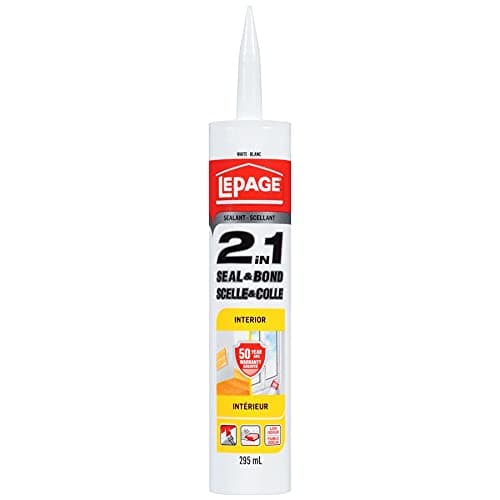
LePage Poly T Plus Acrylic Caulk stands out due to its enhanced moisture resistance and exceptional durability, catering particularly to high-humidity environments. Compared to DAP, it offers a stronger bond in wet conditions and excels in caulking bathrooms and kitchens, where moisture is prevalent. Its easy-to-squeeze tube design enhances user experience, making it a favorite among DIY enthusiasts and professionals alike.
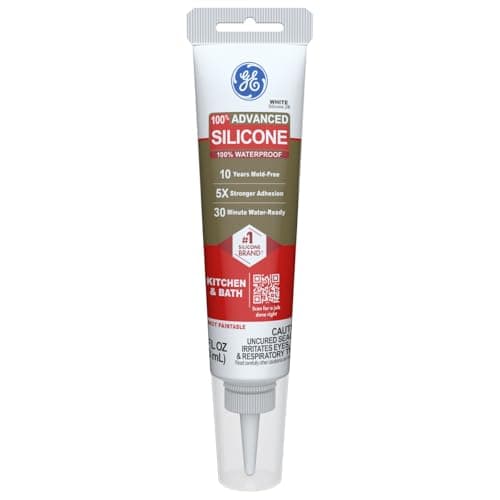
GE Silicone II is a 100% silicone adhesive caulk formulated specifically for kitchens and bathrooms, prized for its lasting flexibility, superior water and mold resistance and excellent adhesion to glazed tile, glass and metal. While less paintable than acrylic or hybrid sealants and not intended for heavy structural bonds like polyurethane adhesives, it is a cost-effective, long-lasting choice for wet-area sealing where moisture durability is the primary concern.
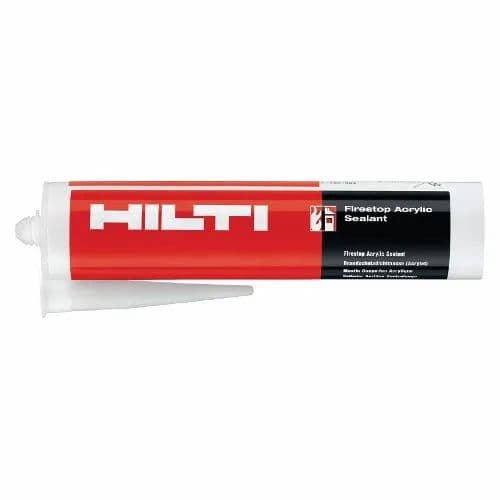
Hilti CP 606 is the premium choice on this list, prized for its high-performance firestop characteristics, extensive tested system documentation, and strong manufacturer support—features that justify its higher upfront cost for mission-critical projects. Unlike more commodity options, Hilti’s product emphasizes certified system performance and contractor assurance, making it the go-to for specifications that require rigorous documentation and long-term liability protection.
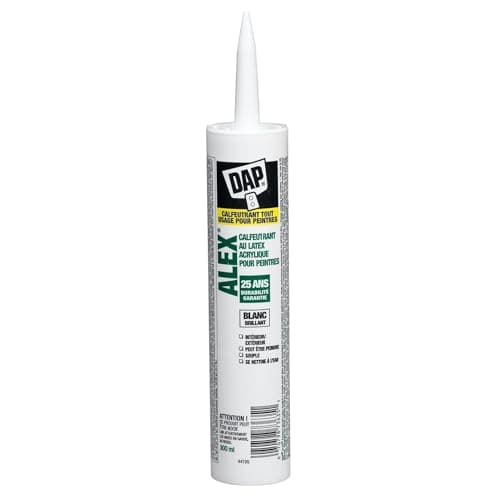
DAP Alex Plus is widely regarded as best-in-class for latex caulk because it balances strong paintability, mildew resistance, and flexible adhesion at a homeowner-friendly price point. Compared with the other products here, Alex Plus delivers broad retail availability and excellent DIY value while sacrificing some of the higher-end movement accommodation and professional-spec longevity offered by options like TremPro or SikaCryl.
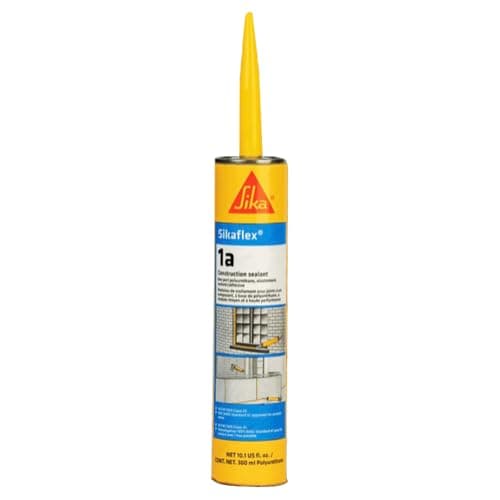
Sikaflex 1A Plus earns a best-in-class spot for polyurethane sealant use thanks to Sika’s proven hybrid formulation that balances strong adhesion, long-term elasticity and UV/weathering resistance — making it a reliable choice for both building façades and trim work. Compared with the list, it offers a professional-grade cure profile and broader substrate compatibility than typical construction adhesives like LePage PL Premium, while usually being more cost-effective for vertical sealing than premium movement joints such as Tremco Dymonic 100. Its worldwide distribution and technical support also deliver a predictable life-cycle cost advantage for large projects.
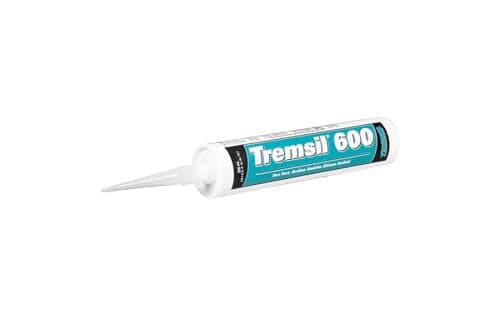
Tremco TremGlaze S600 Silicone Sealant is the market leader for commercial and architectural glazing applications, delivering industry-leading weathering durability, structural-grade adhesion, and long service life under extreme conditions. While it carries a higher upfront cost than consumer-oriented sealants in this list, its exceptional longevity and low maintenance profile provide superior total cost of ownership for professional projects that demand performance over decades rather than months. Compared to household silicones, TremGlaze S600 is engineered for heavy-duty use and therefore favored by contractors and specifiers for critical exterior sealing and glazing.
Research and Standards Behind Caulks and Sealants
Scientific testing and building science research support the use of appropriate caulks and sealants to improve energy efficiency, reduce moisture problems, and extend the service life of building components. Standards bodies and government energy programs provide guidance for selecting products that meet performance expectations and safety requirements.
Air sealing reduces heat loss and improves HVAC efficiency: analyses and guidance from Natural Resources Canada and building science research emphasize that targeted sealing around frames, ducts, and penetrations lowers infiltration and energy use when combined with proper insulation.
Standards-based testing ensures durability: common test methods (for example, those referenced in ASTM standards) evaluate adhesion, elongation, and recovery to predict how sealants respond to movement and temperature cycles.
Low-VOC formulations support indoor air quality: health-focused research and regulations drive demand for low-volatile organic compound products, which lower emissions during and after application and are preferred for occupied spaces.
Material-specific performance matters: silicone, polyurethane, acrylic, and hybrid polymer sealants each show different strengths — silicones resist weathering and moisture, polyurethanes offer strong adhesion to porous surfaces, and hybrids aim to combine benefits.
Freeze-thaw and UV exposure affect life span: laboratory and field tests demonstrate that sealants rated for extreme temperature ranges and UV resistance retain flexibility and adhesion longer in Canadian climates.
Compatibility and paintability influence maintenance: studies and manufacturer guidance recommend selecting sealants that bond to the substrate and accept paint when aesthetic or protective coatings are required.
Frequently Asked Questions
Which caulk should I buy for a bathroom?
LePage Poly T Plus Acrylic Caulk is a strong bathroom pick, with superior adhesion, fast drying, and a low-odor formula, rated 4.5 and priced at $9.99 CAD
What makes GE Silicone II good for wet joints?
GE Silicone II Kitchen & Bath Caulk uses a 100% silicone formula with long-lasting mold and mildew resistance and a waterproof seal for tubs, sinks, showers, and backsplash joints; rated 4.5.
Is Hilti CP 606 worth paying more than $17.71?
GE Silicone II Kitchen & Bath Caulk costs $17.71 CADwhile Hilti CP 606 Flexible Firestop Sealant is listed but has no price shown; Hilti CP 606 is rated 4.7 for professional-grade firestop use.
Can Hilti CP 606 be used on concrete and metal?
Yes—Hilti CP 606 Flexible Firestop Sealant maintains long-term adhesion and flexibility on concrete, metal, and masonry, rated 4.7, and comes in cartridges and sausages.
Conclusion
Whether you are weatherproofing a century home in Ontario, sealing a new build in Alberta, or tackling drafty windows in Nova Scotia, the right caulk or sealant can save energy and prevent costly repairs. We hope this guide helped you identify the right options for Canada in 2025. If you want to narrow results by application, material type, or eco-credentials, use the search or filters to refine or expand your selection.