

Top 6 Paint Removers and Strippers in Canada for 2026 - Expert-Tested Picks for Safer, Faster Surface Prep
Paint Removers and Strippers are chemicals used to dissolve or remove existing layers of paint from surfaces. Short answer for most Canadian jobs in 2026: pick by chemistry, not by brand. A water-based non-caustic paste such as Dumond Smart Strip Advanced (946 ml, zero-VOC, no neutralizing rinse) is the safest indoor choice and the one Health Canada's advice on older homes points toward, a soy gel like Franmar's Blue Bear Soy Gel suits furniture and millwork, caustic sodium-hydroxide removers strip fastest but need a neutralizing rinse, and solvent aerosols are for spots and adhesive, not whole surfaces. They are vital in home improvement for preparing surfaces for repainting or refinishing. In Canada in 2026, consumer preferences have shifted toward products that balance strong performance with safety and environmental responsibility: buyers look for quick action on multiple substrates (wood, metal, masonry), low or no-VOC formulas to meet indoor air quality concerns and provincial regulations, biodegradable or bio-based options to reduce disposal impact, and clear application instructions for DIY safety. Professionals often prioritize concentrated, high-speed formulas and compatibility with lead-abatement or refinishing workflows, while homeowners favor kits and products that minimize masking, odor, and cleanup. Availability across Canadian retail channels, compliance with Health Canada guidance, and product reviews from testing labs are also major decision drivers.
Inception's AI took the time to understand this market in Canada · · How we pickWe may earn a commission on purchases. It never affects our rankings.
Top Picks Summary
Goof Off Pro Strength Remover is the market leader for consumer-facing aerosol removers because it pairs strong solvent power with easy availability and an economical price point, making it ideal for quick spot jobs, adhesive cleanup, and small-scale paint removal. Compared to the heavy-duty formulations on this list, Goof Off is a more budget-friendly and convenient option for homeowners and light trades—less suited to multi-layer industrial coatings than Klean-Strip or Rust-Oleum but often the smartest financial choice for short, targeted tasks.
Show More Aerosol Paint Removers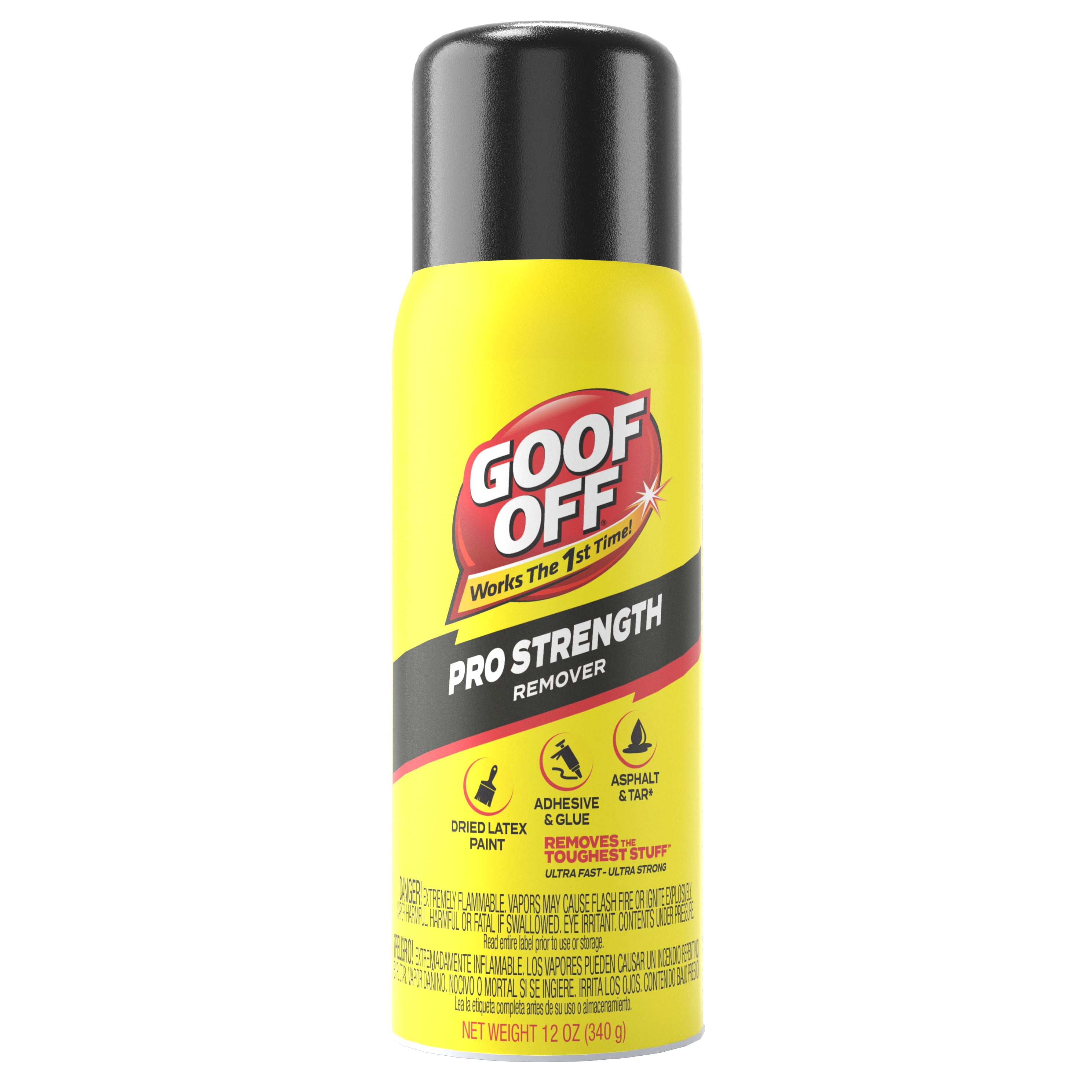
Estimated$12 – $25
Eco-Max Natural Orange All Purpose Cleaner is renowned for its eco-friendly formulation that effectively tackles various cleaning tasks without harmful chemicals. Its unique orange scent derived from natural sources not only deodorizes but also invigorates the cleaning experience. This product stands out in the biodegradable remover market due to its affordability and versatility, making it a top choice for consumers looking for both effectiveness and sustainability.
Show More Biodegradable Removers
We may earn a commission on purchases. It never affects our rankings.
$4.47CAD
Para Supply Benchmark is the market leader for heavy industrial stripping where raw caustic strength and low per-unit cost are decisive; its formulation delivers fast bulk removal and strong value on large-area jobs. Versus Dumond Peel Away 1’s precision paste system and 3M’s safer, lower-toxicity option, Benchmark trades ease-of-use and reduced waste generation for aggressive chemistry and the lowest material cost, though it can raise PPE and disposal overhead.
Show More Caustic Based Removers
Estimated$40 – $100
Dumond Smart Strip is widely regarded as a market leader for professional restorers due to its advanced, less-corrosive chemistry that safely lifts multiple paint types (including lead-containing layers) and offers long working times with reduced odor. It tends to be pricier than basic strippers but delivers technical benefits—gentler substrate compatibility and superior emulsification—making it the preferred choice when preservation, safety, and performance justify the higher cost.
Show More Gel Paint Removers
We may earn a commission on purchases. It never affects our rankings.
$24.97CAD
Klean-Strip Premium Stripper is a robust contender, known for its fast-acting, powerful formula that can strip even the toughest coatings in a fraction of the time. Its acetone-based solution is faster compared to many natural alternatives, making it a favored choice for professionals. While it may be more aggressive on surfaces, its rapid results provide significant time savings, distinguishing it from slower-acting products.
Show More Paste Paint Removers
Estimated$20 – $30
Goo Gone Pro-Power Adhesive Remover has carved its niche with a focus on adhesive residue, effectively outperforming the chemical-heavy alternatives like Klean-Strip in this specific category. Its easy application and pleasant scent appeal to users looking for a less abrasive product. By providing a targeted approach in removing sticky substances while being gentle on surfaces, Goo Gone has solidified its standing in both consumer and commercial markets, particularly where precision cleaning is required.
Show More Solvent Based Removers
What Research and Testing Say About Paint Removal and Safety
Scientific research, regulatory guidance, and independent lab testing inform best practices for choosing and using paint removers. Studies and agency advisories underscore the trade-offs between removal speed and user/environmental safety. Regulators and consumer labs have emphasized restricting or controlling certain high-hazard solvents, and research shows that many modern low-VOC and bio-based formulations can offer effective removal on common paints while lowering exposure risks. Independent comparative testing helps identify which products work best on specific substrates and paint types, while health and environmental bodies provide rules and recommendations for safe handling, ventilation, and disposal.
Methylene chloride is still legal in Canada: the US EPA banned methylene chloride (dichloromethane) in consumer paint and coating removers in a March 2019 rule that took full effect on 22 November 2019, and widened the restrictions to most industrial and commercial uses in May 2024. Canada did not follow. Dichloromethane has been listed as toxic under CEPA for more than two decades, but the federal response is a voluntary Code of Practice on reducing emissions from paint strippers rather than a consumer prohibition, so Canadian shelves can still carry it and reading the ingredient panel is on you.
Retailers moved before regulators did: in 2018 Lowe's (which owns RONA) committed to clearing these products by January 2019, and Home Depot, Walmart, Canadian Tire and Home Hardware followed with their own commitments on methylene chloride and NMP (N-methylpyrrolidone) strippers, which is why most mainstream Canadian options today are water-based, soy, citrus or caustic formulas.
Low-VOC and bio-based effectiveness: Laboratory comparisons and manufacturer studies indicate that many soy-, citrus- or glycol-based strippers perform well on latex and oil-based coatings with fewer emissions than traditional solvent-heavy formulas.
Hazard reduction: Peer-reviewed and government guidance show that reducing volatile organic compounds (VOCs) and avoiding certain chlorinated solvents lowers indoor air pollution and acute exposure risks for users.
Surface and paint match matters: Tests consistently show that no single remover works best on every substrate or paint system; product choice should match the substrate (softwood, hardwood, metal, masonry) and paint type (latex, alkyd, industrial coatings).
Lead paint and Canadian house age: Health Canada's guidance is that a home built before 1960 probably contains lead-based paint, and that a home built between 1960 and 1990 may have it on the exterior. In those houses Health Canada tells you not to use sanders, heat guns or blowlamps, because they throw off lead dust and fumes, and to use a chemical stripper instead, ideally a paste applied with a brush. Keep children and pregnant women out of the work area, wear goggles, gloves and a good-quality breathing mask, and have the paint tested if you are unsure.
Ventilation and PPE: Studies on exposure and occupational safety underline the importance of adequate ventilation, gloves, eye protection, and respiratory protection when using active chemical strippers.
Caustic strippers need a neutralizing rinse: high-alkaline (sodium/potassium hydroxide) removers strip fast but leave residue that will bleed through new finishes and can darken oak and other tannin-rich woods unless the surface is neutralized after stripping. Water-based non-caustic pastes generally skip that step.
Frequently Asked Questions
Is methylene chloride banned in paint strippers in Canada?
No. Canada has not banned it. Dichloromethane (methylene chloride) has been listed as a toxic substance under CEPA for over twenty years, but the federal measure is a voluntary Code of Practice on reducing emissions from paint strippers, not a sales prohibition, so a Canadian retailer can legally stock it. The United States is different: the EPA banned it in consumer paint and coating removers in March 2019, effective 22 November 2019, and extended the restrictions to most industrial and commercial uses in May 2024. In practice most large Canadian chains pulled these products voluntarily in 2018-2019, so check the ingredient panel rather than assuming.
How do I strip paint safely in an older Canadian house?
Health Canada says a house built before 1960 probably has lead-based paint, and one built between 1960 and 1990 may have it outside. Do not sand it, and do not use a heat gun or blowlamp, because both create lead dust and fumes. Use a chemical stripper instead, ideally a paste you brush on, so the coating lifts off in one piece. Keep children and pregnant women away from the work area, wear goggles, gloves and a good-quality breathing mask, ventilate the room, and have the paint tested first if you are not sure.
Which paint remover should I choose for small spots?
Goof Off Pro Strength Remover is a good pick for quick spot jobs and adhesive cleanup because it's a professional-strength solvent remover that cuts through paint spots and stubborn residues; it has an average rating of 4.7 and costs CAD $22.39. It is aggressive chemistry, and the can is labelled extremely flammable, so ventilate the area and test on plastics first.
Does Dumond Smart Strip cling to vertical surfaces?
Yes. Dumond Smart Strip Advanced Paint Remover is a thick water-based paste applied at 1/8" to 1/4", so it stays put on vertical surfaces and overhead. Dumond rates it for up to 15 coats of acrylic, latex, oil and water-based coatings in a single application on wood, metal and masonry; its average rating on this page is 4.4.
Conclusion
Whether you need a fast professional-strength formula or a low-odor, eco-friendlier option for weekend projects, the Canadian market in 2026 offers a range of capable paint removers and strippers to suit different priorities. We hope you found the information and product direction you were looking for. If you want to narrow results by substrate, hazard level, or eco-credentials, use the search to refine or expand your options.