

Top 5 Bird Nesting Materials in Canada (2026) — Guide to Coconut Fiber, Kapok, Cotton, Jute & Hemp for Safer, Low-Dust Nests
Loose nesting fills such as natural fibers, coconut coir, dried grasses, and safe shredded paper provide bird owners and wildlife stewards with non-toxic, low-dust options designed for building and lining nests. In Canada these materials appeal because they support natural nesting behavior, simplify maintenance in indoor aviaries and outdoor boxes, and respond to regional concerns like moisture control and cold-season insulation. Consumers increasingly choose products that are clean, unscented, and free of loose dyes or long strands that risk entanglement. Availability, sustainability, and proven safety for common pet and wild species drive demand across urban and rural Canadian markets, where easy replacement and low allergen profiles are also top priorities.
Inception's AI took the time to understand this market in Canada · · How we pickWe may earn a commission on purchases. It never affects our rankings.
Top Picks Summary
Living World Coconut Fiber
Living World Coconut Fiber is a coarse, long-lasting natural coir that provides excellent structure and moisture resistance, making it well-suited for outdoor or larger bird nests that need durability. It outperforms softer liners on replacement frequency and mold resilience, delivering a favorable cost-per-use compared with kapok and cotton while pairing well with the sturdier hemp and jute options on this list.

Estimated$6 – $12
Kaytee Kapok Nesting Material
Kaytee Kapok Nesting Material is a silky, ultra-soft fiber prized for small birds and sensitive nestlings because it offers excellent insulation with minimal dust. While typically pricier per volume than cotton or jute, its softness and low-dust profile make it the preferred liner for delicate species compared with coarser coconut or structural hemp.

Estimated$5 – $10
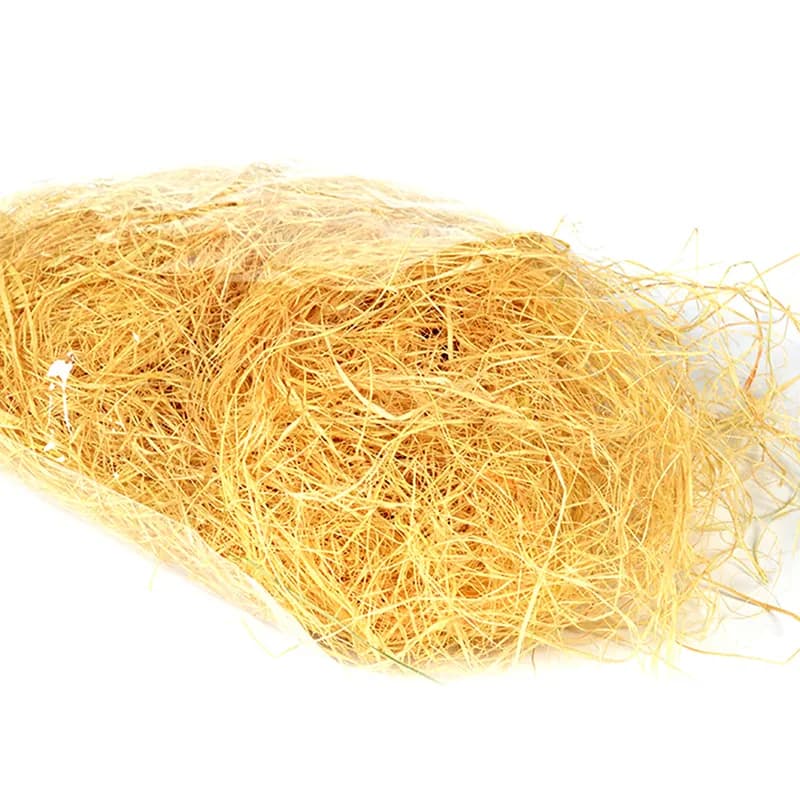
Hagen Hari Natural Jute Fiber
Hagen Hari Natural Jute Fiber provides coarse, high-tensile strands that excel as a structural component and biodegradable alternative to synthetic fillers. Typically more affordable than premium hemp and more supportive than kapok or cotton, jute offers a cost-effective way to reinforce nest architecture while sacrificing some softness for nestlings.
Estimated$6 – $14
What the Research Says About Nesting Materials
Scientific and applied studies show that nesting material choice matters for bird comfort, breeding outcomes, and respiratory health. Research in avian biology and applied animal behavior highlights benefits of breathable, low-dust natural fibers for insulation and nest-building cues, while cautioning against long synthetic strands and chemically treated materials that increase entanglement or toxin exposure. Below are beginner-friendly points drawn from the scientific consensus and best-practice husbandry recommendations.
Low-dust natural fibers reduce airborne particulates in indoor aviaries and lower the risk of respiratory irritation for birds and handlers, according to controlled studies and veterinary guidance.
Insulating materials like coconut fiber and kapok help maintain stable microclimates within nests, which can support incubation and chick development in temperate climates.
Materials that wick moisture and resist rot (for example coconut coir) reduce fungal and bacterial growth compared with damp, compacted nesting matter; this is important in Canada’s variable humidity and cooler seasons.
Avoiding long, continuous synthetic fibers and loose threads is strongly recommended: case reports and husbandry advisories document limb entanglement and feather damage from inappropriate materials.
Soft, short fibers such as well-processed cotton and kapok are attractive to many species for lining, but they should be clean, unbleached, and replaced regularly to limit bacterial buildup.
Sustainable fibers like hemp and jute offer durable, renewable options; some studies note hemp’s natural resistance to microbial growth, though coarseness and species preference should be considered.
Best-practice recommendations include using unscented, dye-free materials, inspecting nests regularly during breeding, and rotating or replacing nesting fills if soiled or wet.
Frequently Asked Questions
Which nesting material is best for outdoor bird nests?
Living World Coconut Fiber is best for outdoor or larger bird nests needing durability, since it’s made from 100% natural coconut coir that resists mold, retains structure, and offers good drainage for a stable nest framework.
How does Kaytee Kapok reduce dust for nestlings?
Kaytee Kapok Nesting Material uses ultra-soft, lightweight kapok fibres with a low-dust, naturally hypoallergenic profile, and its fluffy texture helps create a comfortable lining for small or sensitive birds.
Is Prevue Pet Products cotton better value than jute?
Prevue Pet Products Cotton Nesting Material is positioned as an economical everyday option for hobbyists and breeders, delivering pliable, insulating, low-dust processed cotton that’s biodegradable, even if it’s less mold-resistant than coconut, hemp, or jute.
Is Living World Coconut Fiber safe to line bird nests?
Yes—Living World Coconut Fiber is biodegradable and unscented, and it’s described as safe when finely shredded for lining, while also resisting mold and keeping a stable framework for nests.
Conclusion
In the Canadian context, loose natural fills deliver a balance of safety, insulation, and low maintenance. The five options covered here — Living World Coconut Fiber, Kaytee Kapok Nesting Material, Prevue Pet Products Cotton Nesting Material, Hagen Hari Natural Jute Fiber, and Versele-Laga NestoFaser Hemp Fibers — each address different priorities: coconut fiber for moisture control and durability, kapok and cotton for soft lining, jute for structure, and hemp for sustainability. For most Canadian indoor and outdoor setups the best overall choice is Living World Coconut Fiber because of its low dust profile, good drainage, and broad species suitability. We hope you found what you were looking for; you can refine or expand your search using the search.