

Top 5 Aviary Foggers & Aerosols in Canada for 2026 — Expert-Validated Picks for Safer, Deeper Cleans and Lasting Parasite Control (Which One Fits Your Aviary?)
Fogging and aerosol systems engineered to treat large enclosures and difficult surfaces with residual antiparasitic agents are essential tools for commercial and hobby aviaries. These systems are popular for deep cleans and preventative cycles because they deliver fine droplets that reach perches, nest boxes, and other hard-to-reach areas faster than manual sprays, reduce labour time, and help establish consistent biosecurity routines. In Canada, buyer preferences trend toward products with clear label instructions for bird-free re-entry, documented efficacy, recognized regulatory approvals or registrations, low-odor or unscented formulations for sensitive flocks, and solutions that balance strong antiparasitic or disinfectant action with reduced environmental persistence. Decision factors for consumers include efficacy against mites and other ectoparasites, compatibility with existing cleaning protocols, ease of use (RTU versus concentrate), safety and personal protective equipment requirements, and availability through veterinary or agricultural suppliers.
Inception's AI took the time to understand this market in Canada · · How we pickWe may earn a commission on purchases. It never affects our rankings.
Top Picks Summary
Vetafarm Avian Insect Liquidator RTU
Vetafarm Avian Insect Liquidator RTU is a ready-to-use aerosol formulated specifically for aviary insect control, offering rapid knockdown of flies, mites and lice with no on-site dilution required. Its convenience and targeted chemistry make it a cost-effective choice for routine fogging in small-to-medium aviaries compared with larger-scale concentrates, and it complements broad-spectrum disinfectants like F10SC and Virkon S by focusing on pests rather than microbial decontamination.

Estimated$30 – $55
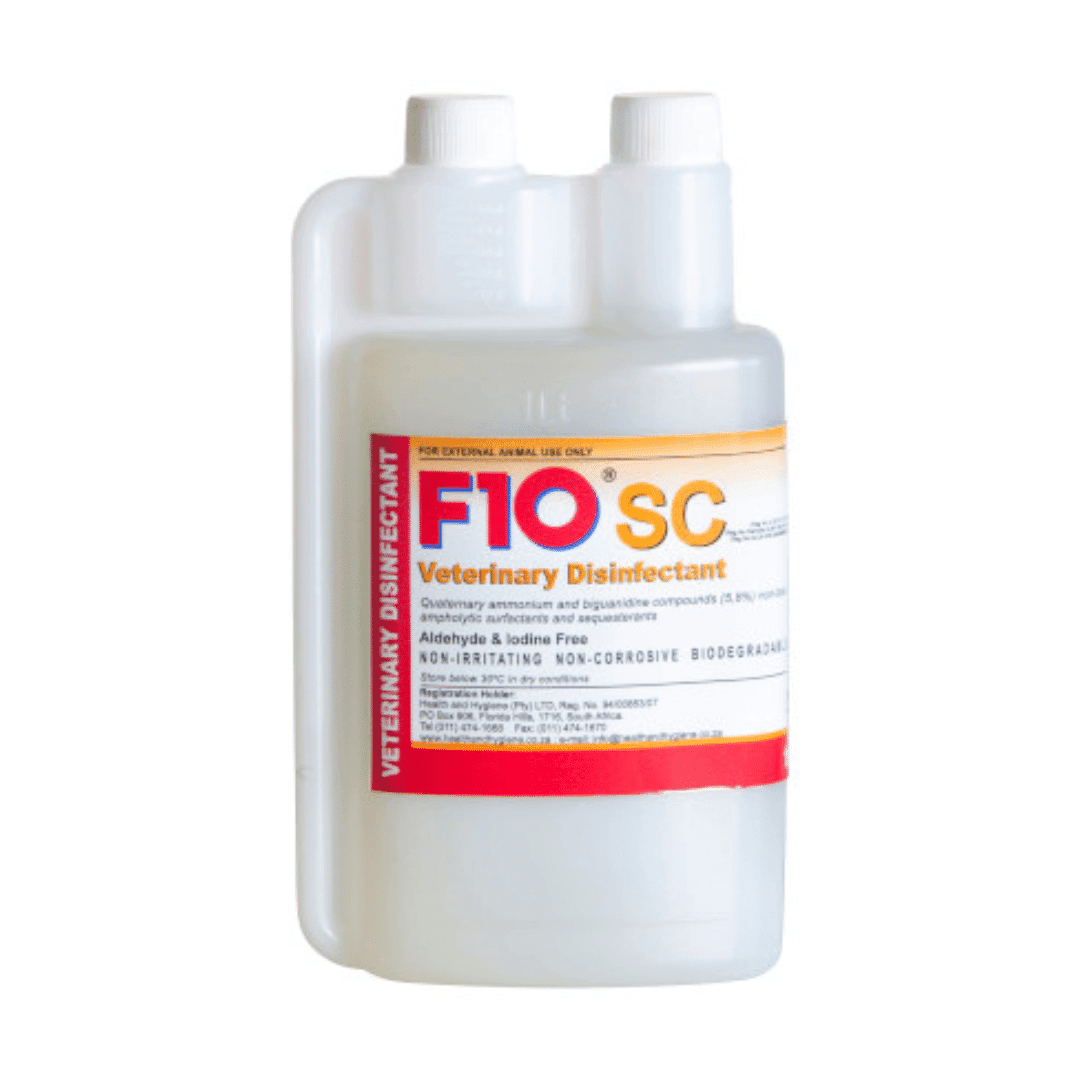
F10 SC Veterinary Disinfectant
F10SC Veterinary Disinfectant is a veterinary-grade, broad-spectrum disinfectant designed for safe use around birds and suited to low- to medium-intensity fogging and aerosol applications. It balances strong antimicrobial coverage (bacteria, fungi and many viruses) with a favorable safety profile for avian species, making it a more bird-friendly routine sanitation option than stronger oxidizers like Virkon S while still outperforming non-disinfectant cleaners such as Mister Max for microbial control.
We may earn a commission on purchases. It never affects our rankings.
Estimated$45 – $90
Virkon S Disinfectant
Virkon S Disinfectant is an industry-standard, high-performance oxidizing disinfectant prized for its broad virucidal activity and environmental stability, making it a go-to choice for high-risk outbreak fogging in aviaries. Although typically more expensive and requiring stricter PPE and contact times than F10SC, Virkon S delivers a level of biosecurity and regulatory acceptance that is hard to match for emergency deep decontamination campaigns.

We may earn a commission on purchases. It never affects our rankings.
Estimated$35 – $80
Control Solutions Vet-Kem Siphotrol Plus II
Control Solutions Vet-Kem Siphotrol Plus II is positioned as a concentrated insecticidal solution and aerosol-compatible product that provides extended residual control of mites, lice and other ectoparasites in bird environments. For large aviaries or commercial operations the concentrate model offers a lower cost per treatment and longer-lasting suppression compared with RTU insect sprays like Vetafarm, making it attractive where recurring pest pressure demands economical, sustained control.
Estimated$40 – $85
Anti Icky Poo Unscented
Mister Max Anti Icky Poo Unscented is a gentle, unscented cleaning and deodorizing aerosol designed for sensitive avian environments; it excels at removing organic soils and odors as a preparatory step before fogging or disinfection. While not a disinfectant or insecticide itself, its low-odour formulation minimizes stress to birds and is an inexpensive complement to products such as F10SC or Virkon S for routine maintenance between heavier fogging interventions.

What the research and guidelines say about fogging and aerosol treatments
Scientific literature, manufacturer technical data, and veterinary infection-control guidance converge on a few consistent findings: properly applied fogging and aerosol treatments improve coverage in complex enclosures; product selection and application method determine both immediate knockdown and residual control; and safety measures and organic load management are critical to real-world performance. Canadian authorities and veterinary experts emphasize following label directions, checking registrations, and integrating fogging into a broader sanitation and monitoring program rather than relying on fogging alone.
Coverage and droplet size: Research and technical guidance show that droplet size and particle distribution determine how well aerosols deposit on perches, crevices, and nesting materials. Ultrasonic or cold-fog systems produce different deposition patterns than thermal foggers; matching droplet size to the target (insects versus pathogens) improves efficacy.
Residual efficacy depends on product chemistry and surface conditions: Active ingredients in designated antiparasitic aerosols can provide residual control, but effectiveness declines with heavy organic soiling. Pre-cleaning and removing droppings and dust greatly improve outcomes.
Laboratory and field data for common disinfectants: Broad-spectrum veterinary disinfectants such as Virkon S and F10SC have peer-reviewed and manufacturer-supplied efficacy data against a wide range of pathogens in controlled settings. These data support their use in biosecurity cycles when used per label and with appropriate contact times.
Insecticide studies: Products formulated specifically for aviary ectoparasites (manufacturer technical reports and independent trials) show significant reductions in mite and louse populations when fogging is combined with follow-up monitoring and repeat treatments as recommended.
Safety and re-entry intervals: Evidence and regulatory guidance stress the need for adequate ventilation, clear re-entry times, and personal protective equipment (PPE) for applicators. Many labels require birds to be removed until residues have settled and ventilation is restored.
Regulatory context for Canada: Users should verify Health Canada or PMRA registrations and read product labels for permitted uses in poultry or aviary settings. Compliance with provincial regulations and veterinary advice helps ensure safe and legal use.
Frequently Asked Questions
Which fogger aerosol should I buy for aviary insects?
Choose Vetafarm Avian Insect Liquidator RTU if you want a ready-to-use aerosol for aviary insect control, with average rating 4.4 and rapid knockdown of flies, mites and lice without on-site dilution.
What disinfectant works for low- to medium-intensity fogging?
F10SC Veterinary Disinfectant is designed for safe use around birds and suited to low- to medium-intensity fogging and aerosol applications, with average rating 4.6 and broad-spectrum activity against bacteria, viruses and fungi.
Is Virkon S disinfectant worth the higher price?
Virkon S Disinfectant is described as typically more expensive but used for high-risk outbreak fogging, with average rating 4.4, stable powder concentrate for storage and mixing on demand, and broad virucidal/bactericidal/fungicidal efficacy.
Which product is least demanding on mixing or dilution?
Vetafarm Avian Insect Liquidator RTU is ready-to-use with no on-site dilution required, with average rating 4.4, while F10SC is a concentrated formula with flexible dilution rates.
Conclusion
In Canada, aviary operators and hobbyists looking for fogging and aerosol solutions will find a range of options tailored to different tasks: Vetafarm Avian Insect Liquidator RTU for ready-to-use insect control, F10SC Veterinary Disinfectant for veterinary-grade surface disinfection, Virkon S Disinfectant for broad-spectrum biosecurity applications, Control Solutions Vet-Kem Siphotrol Plus II for targeted parasitic control, and Mister Max Anti Icky Poo Unscented for low-odor cleaning and spot applications. For most Canadian aviaries balancing proven efficacy, veterinary acceptance, and broad availability, Virkon S Disinfectant stands out as the best overall choice on this list for routine biosecurity and deep-clean cycles. We hope you found the information you were looking for — you can refine results by product type, target pest, or usage scenario, or expand your search using the site search to compare labels, registration status, and safety data sheets.