

Top 6 Grain-Free Cat Foods in Canada for 2025 — Top Picks, Allergy-Friendly Recipes & Practical Buying Guide
Grain-free cat food refers to recipes that omit grains like wheat, corn, and soy in favor of alternative carbohydrate sources or higher protein ratios. In Canada, these formulas have grown in popularity among owners seeking reduced carbohydrate content, perceived allergy management, and ingredient transparency. Consumers are drawn to grain-free lines for several reasons: a belief that cats, as obligate carnivores, thrive on higher-protein diets; the desire to avoid common grain allergens; and the trend toward premium, minimally processed ingredients such as novel proteins, limited-ingredient recipes, freeze-dried components, or single-source carbohydrate alternatives like peas and sweet potato. The Canadian market also reflects heightened attention to regulatory standards, sustainable sourcing, and clear labeling, with pet retailers and e-commerce channels offering both international and locally formulated grain-free options. While many owners report improvements in coat condition, stool quality, and reduced scratching, veterinary guidance is recommended because true food allergies are relatively uncommon and balanced nutrition, including essential nutrients like taurine, must be ensured.
Inception's AI took the time to understand this market in Canada · · How we pickWe may earn a commission on purchases. It never affects our rankings.
Top Picks Summary
Go! Solutions Carnivore Grain-Free Chicken Turkey + Duck Recipe
GO! Solutions Carnivore Grain-Free Chicken Turkey + Duck Recipe focuses on a meat-first, limited-ingredient formulation designed specifically for obligate carnivores, with chicken as a primary protein complemented by turkey and duck. It often delivers targeted animal-sourced nutrition similar to premium brands while remaining competitively priced, making it a good choice for owners seeking specialized protein blends or dealing with ingredient sensitivities.
Show More Grain Free Chicken Cat Food
Estimated$35 – $80
Orijen Six Fish Grain-Free Dry Cat Food earns a best-in-class spot for grain-free salmon-focused shoppers because it packs a very high inclusion of fresh and whole fish (including salmon) and follows a biologically appropriate, high-protein WholePrey approach. Technically it delivers one of the highest omega‑3 and total protein profiles among salmon-forward formulas, and financially it offsets higher upfront cost by being nutrient-dense so many cats require smaller portions compared with lower‑quality kibbles. Against the other options on this list it stands out for ingredient diversity and premium processing rather than budget pricing.
Show More Grain Free Fish Cat Food
We may earn a commission on purchases. It never affects our rankings.
$38.94CAD
Acana Grasslands holds a best-in-class position for grain-free turkey searches by delivering a regionally sourced, high-protein recipe that frequently includes pasture-raised poultry and fish for variety and nutrient density. It balances premium ingredient quality with more accessible pricing than ultra-premium rivals like Orijen, making it a strong option for owners who want technical quality without the highest price tag and more single-protein focus than the multi-protein GO! Solutions option.
Show More Grain Free Turkey Cat Food
Instinct Original Grain-Free Recipe with Real Beef
Instinct Original provides a straightforward grain-free beef formula with real beef listed prominently, aimed at owners who want a minimally processed, meat-first diet with broad retail availability. It compares favorably on convenience and price to more boutique labels—offering solid technical performance for everyday feeding without the higher cost of premium regional brands—while still delivering the key grain-free, beef-forward profile that this search topic prioritizes.
Show More Grain Free Beef Cat Food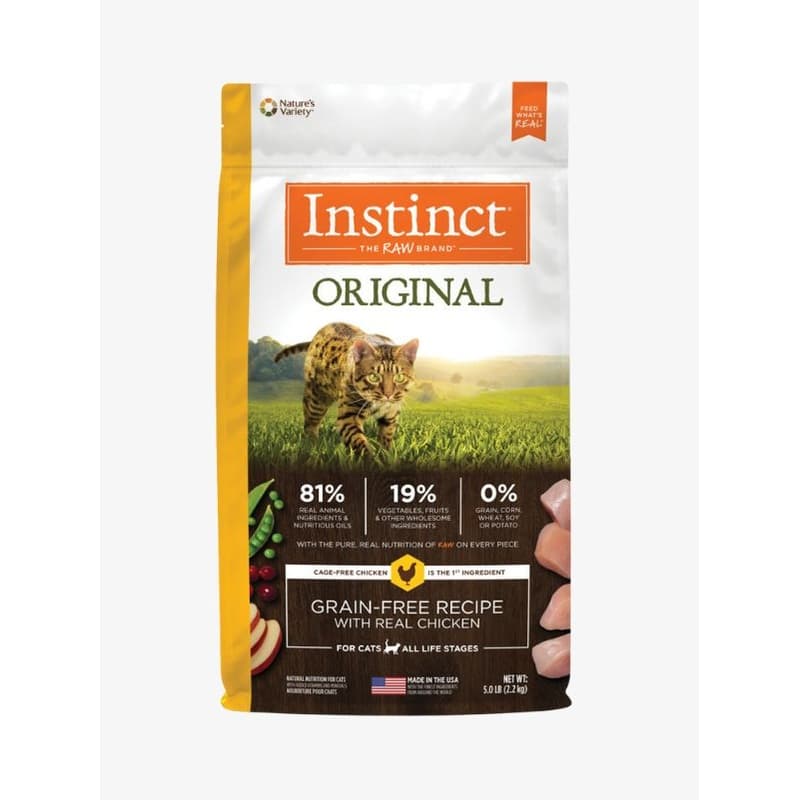
Estimated$25 – $70
FirstMate Pacific Ocean Fish Meal with Blueberries Formula offers a distinct novel-protein path by using sustainable Pacific fish meal as its primary protein and adding antioxidant-rich blueberries for complementary nutrition. It provides a technical advantage in omega-3 fatty acids and a smaller-batch Canadian manufacturing story, often at a lower price than ultra-premium red-meat blends, though fish can be a less suitable novel choice for cats who are reactive to seafood.
Show More Grain Free Novel Protein Cat Food
Estimated$40 – $85
Open Farm Dehydrated Salmon grain-free treats are a premium, human-grade option with strong emphasis on ethically sourced ingredients and traceability, using minimal processing to preserve natural nutrients. They command a higher price but offer superior ingredient transparency and sustainability credentials, making them the market leader for buyers prioritizing provenance and quality; compared to the other entries, they are the most expensive per serving but often require smaller amounts due to high palatability.
Show More Grain Free Cat Food Treats
Estimated$12 – $22
What the Research Says — Simple, Evidence-Based Notes for Cat Owners
Scientific studies and veterinary guidance provide context for grain-free diets: cats are obligate carnivores with metabolic adaptations for high protein and fat intake and limited carbohydrate handling; removing grains can reduce exposure to specific allergens for the small subset of cats with grain-specific sensitivities; and carbohydrate level and calorie density can influence weight and glycemic control. However, evidence is mixed on whether grain-free diets universally improve health. Veterinarians and nutritionists emphasize using complete and balanced formulas that meet AAFCO or Health Canada nutrient profiles and caution against unbalanced home recipes. Recent research highlights the need to monitor essential nutrients like taurine and to consider overall diet quality rather than focusing solely on the presence or absence of grains.
Obligate carnivore physiology: cats have higher dietary needs for protein and certain amino acids (for example, taurine) and limited ability to regulate high-carbohydrate loads compared with omnivores.
Allergies and intolerances: true food allergies in cats are uncommon; when they occur, the allergen is often a protein rather than a grain. Elimination trials under veterinary supervision are the diagnostic standard.
Weight and glycemic effects: diets lower in carbohydrates and higher in protein can improve satiety and help with weight management in some cats, but total calorie intake and portion control remain primary drivers of obesity.
Nutrient balance matters: research and veterinary guidance stress that any grain-free formula must meet established nutrient profiles (AAFCO/Health Canada) to avoid deficiencies.
Quality variability: studies and industry reviews show variability in ingredient sourcing, processing, and nutrient formulation across grain-free products — brand-level selection and transparency are important.
Safety signals: while much of the high-profile concern about grain-free diets and heart disease focused on dogs, the wider message for cat owners is to choose complete diets from reputable manufacturers and consult a veterinarian if changing diets.
Conclusion
Whether you are exploring grain-free options to address digestive upset, suspected sensitivities, or personal feeding preferences, the Canadian marketplace in 2026 offers a wide range of vetted formulas from vet-reviewed brands and local producers. We hope this guide helped you identify the kind of grain-free cat food that suits your pet. Use the site search to refine by protein source, weight-management formulas, or budget range, or expand your search to compare grain-free vs limited-ingredient and raw options.