

Beta Blockers for Dogs in Canada — Top 7 Prescription Options for 2026
Beta adrenergic blockers reduce heart rate and myocardial oxygen demand and are prescribed for arrhythmias and to help manage hypertension in dogs. This category focuses on prescription beta blockers commonly used in Canadian veterinary practice, emphasizing products that balance efficacy, safety, availability and dosing flexibility. Pet owners and clinicians prefer these medications because they are familiar generics, are often more affordable than branded alternatives, and are supported by veterinary cardiology experience. In Canada, choices are shaped by provincial prescribing regulations, the availability of generics versus branded formulations, and the need for individualized dosing and monitoring by a veterinarian. Practical appeal in the Canadian market also comes from clear dosing increments, tablet strengths that support weight-based dosing for small and large dogs, and products that integrate well into multi-drug regimens for chronic cardiac care.
Inception's AI took the time to understand this market in Canada · · How we pickWe may earn a commission on purchases. It never affects our rankings.
Top Picks Summary
Atenolol 25mg Tablets
Atenolol 25mg holds a best-in-class position for small-breed dogs because its lower tablet strength enables precise, titratable dosing for chronic management of hypertension and some cardiomyopathies. As a beta-1 selective agent it tends to have less bronchial and central nervous system penetration than non-selective propranolol products, and it is often more cost-effective per milligram for long-term therapy compared with higher-strength tablets that require splitting. Compared with sotalol, it lacks Class III antiarrhythmic effects but offers a simpler safety profile that can reduce monitoring costs in suitable patients.

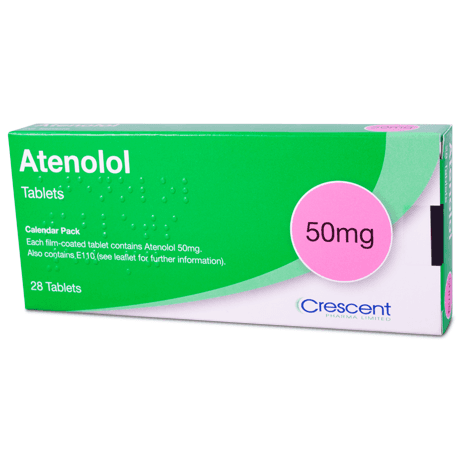
Atenolol 50mg Tablets
Atenolol 50mg is positioned as the market leader for medium-to-large dogs where fewer tablets per dose improves compliance and lowers dispensing costs, offering a competitive price-per-tablet advantage over multiple low-strength tablets. It preserves the beta-1 selectivity benefits of atenolol—reduced bronchial side effects versus propranolol—while trading some dosing flexibility for simpler administration. Compared with sotalol, it remains a more economical option when antiarrhythmic Class III action is not required, though it may necessitate tablet division in smaller patients.
Propranolol 10mg Tablets
Propranolol 10mg is a commonly used small-dose, non-selective beta blocker favored when clinicians require both peripheral and central beta blockade in small dogs, and its low strength facilitates fine dosing adjustments. Its higher lipophilicity relative to atenolol provides different therapeutic effects in some arrhythmic or stress-related indications, though this can also increase the potential for central side effects and monitoring needs. Financially it is typically low-cost per tablet, making it a practical choice for short-term or adjunctive therapy compared with the more specialized and expensive sotalol.

Propranolol 40mg Tablets
Propranolol 40mg targets larger patients or high-dose protocols where tablet economy and reduced pill burden are priorities, offering a lower cost-per-dose for clinics treating large-breed dogs. As a non-selective beta blocker it shares the broader physiological effects of propranolol 10mg but with less dosing granularity, which can make it less suitable for small or dose-sensitive patients compared with atenolol 25mg. While generally less expensive than sotalol, it lacks sotalol’s Class III antiarrhythmic capability and therefore is chosen when broad beta blockade rather than rhythm-specific therapy is desired.

Sotalol 80mg Tablets
Sotalol 80mg is the market leader for canine ventricular arrhythmia management because it combines non-selective beta blockade with Class III potassium-channel blockade, providing rhythm-control advantages that atenolol and propranolol do not. This dual mechanism carries higher monitoring requirements (ECG and renal assessment) and generally higher cost, but it can be clinically and economically justified for dogs with life‑threatening or refractory arrhythmias where fewer hospital interventions offset drug expense. Compared with the atenolol and propranolol options, sotalol is the technical choice when antiarrhythmic potency is the primary therapeutic goal rather than simple rate control or long-term hypertension management.

Sotalol 40mg Tablets
Sotalol 40mg Tablets are a widely used veterinary beta-blocker with class III antiarrhythmic properties, making them a common first-line choice for managing ventricular and supraventricular arrhythmias in dogs; their predictable effect profile and generic availability make them a cost-effective option for chronic therapy. Compared to Carvedilol 3.125mg, sotalol is often favored when rhythm control is the primary goal because it combines beta-blockade with membrane-stabilizing action, typically requiring simpler titration and lower per-dose cost.

Carvedilol 3.125mg Tablets
Carvedilol 3.125mg Tablets provide nonselective beta-blockade plus alpha-1 vasodilation, giving a hemodynamic advantage in dogs with systolic dysfunction or concurrent hypertension where both afterload reduction and beta blockade are desirable. Although generally more expensive and requiring closer titration and monitoring than sotalol, carvedilol can reduce the need for additional antihypertensive agents in selected patients and is chosen when combined heart-failure and blood-pressure benefits outweigh the higher acquisition and monitoring costs.

How beta blockers work and the evidence behind their use in dogs
Beta blockers act primarily by blocking beta-adrenergic receptors in the heart, lowering heart rate and decreasing the force of contraction. This reduces myocardial oxygen demand and can stabilize abnormal heart rhythms. Veterinary cardiology literature supports their use for certain tachyarrhythmias and as part of the management strategy for some chronic cardiac conditions. Clinical experience and published studies indicate benefit when drugs are selected and dosed based on the specific arrhythmia, the dog's overall clinical status, and concurrent medications. Safety and monitoring are key: heart rate, blood pressure, ECG, and renal function are commonly checked after starting or adjusting therapy. Some agents have additional electrophysiologic actions or alpha-blocking activity that influence their clinical applications.
Mechanism: Beta-1 selective agents (for example, atenolol) primarily reduce heart rate and myocardial oxygen demand with fewer bronchial and peripheral effects than nonselective agents.
Sotalol has both beta blocking and potassium channel blocking properties, providing class III antiarrhythmic effects useful for some ventricular and supraventricular arrhythmias.
Propranolol is a nonselective beta blocker that crosses the blood-brain barrier; it can be effective for certain arrhythmias but may have more systemic effects.
Carvedilol offers combined beta and alpha blockade and antioxidant effects; veterinary use is increasing but evidence is less abundant than for atenolol or sotalol.
Clinical outcomes: Studies and case series in veterinary cardiology show improved arrhythmia control and symptomatic benefit when beta blockers are used appropriately and monitored closely.
Safety and monitoring: Start with conservative dosing, monitor heart rate, blood pressure, ECG, and renal function, and adjust therapy for bradycardia, hypotension, or drug interactions.
Frequently Asked Questions
Which beta blocker is best for small-breed dogs hypertension?
Atenolol 25mg Tablets is recommended for small-breed dogs, because its lower 25mg tablet strength supports precise, titratable dosing for chronic management of hypertension and some cardiomyopathies; it’s a selective beta-1 blocker with an average rating of 4.4.
Does atenolol 50mg reduce respiratory side effects for dogs?
Atenolol 50mg Tablets is described as a beta-1 selective agent, helping reduce cardiac workload with fewer respiratory side effects; it’s positioned for medium-to-large dogs and has an average rating of 4.2.
How does Atenolol 50mg value compare to low-strength dosing?
Atenolol 50mg Tablets is positioned for fewer tablets per dose for medium-to-large dogs, improving compliance and lowering dispensing costs versus multiple low-strength tablets; it has an average rating of 4.2.
Is propranolol 10mg safer for dogs with respiratory disease?
No—Propranolol 10mg Tablets requires caution in patients with respiratory disease due to bronchoconstriction risk; it’s a non-selective beta blocker, has an average rating of 3.7, and needs veterinary prescription monitoring.
Conclusion
This category highlights seven commonly used prescription beta blocker products in Canadian veterinary practice: Atenolol 25mg Tablets, Atenolol 50mg Tablets, Propranolol 10mg Tablets, Propranolol 40mg Tablets, Sotalol 80mg Tablets, Sotalol 40mg Tablets, and Carvedilol 3.125mg Tablets. Each product offers different strengths and pharmacologic profiles to support individualized treatment plans. For many dogs requiring predictable beta-1 selective control with flexible dosing, Atenolol 25mg Tablets often represent the best starting choice because of their dosing versatility and broad clinical experience in veterinary cardiology. We hope you found what you were looking for; if you want to narrow options by dog size, condition, or dosing schedule, or expand your search to combination therapies and monitoring protocols, use the search to refine or broaden your results.