

Top 6 Veterinary Prescription Heart and Blood Pressure Medications for Dogs in Canada - 2025 Veterinary Guide to ACE Inhibitors, Beta-Blockers, Diuretics, Vasodilators & Antiarrhythmics with Dosing, Monitoring and Combination Therapy
This category covers prescription cardiovascular and blood-pressure medications commonly used for dogs in Canada in 2026, including ACE inhibitors, beta-blockers, diuretics, vasodilators and antiarrhythmic drugs. These medications are prescribed to manage heart disease, hypertension and circulatory disorders, with a strong emphasis on cardiac-specific dosing, monitoring and combination therapy tailored to each dog. Canadian pet owners and veterinarians favor this category because these drugs are evidence-based, available through regulated prescription channels, and can significantly improve quality of life and survival when used with appropriate monitoring. Consumers also look for clear dosing instructions, options for generics or compounding when needed, transparent cost and shipping within provincial regulations, and veterinarian-led guidance to balance benefits and potential side effects.
Inception's AI took the time to understand this market in Canada · · How we pickWe may earn a commission on purchases. It never affects our rankings.
Top Picks Summary
Vetmedin Chewable Tablets
Vetmedin (pimobendan) is a market leader in canine cardiac care as a positive inotrope and vasodilator frequently used alongside ACE inhibitors to improve clinical outcomes in congestive heart failure. Although not an ACE inhibitor itself, its clear survival and quality-of-life benefits make it a standard complementary therapy to the ACE products listed here, and its established efficacy can reduce downstream treatment costs by stabilizing patients more quickly. Practically, clinicians favor pairing Vetmedin with ACE inhibitors for a combined pharmacologic strategy rather than as a standalone blood-pressure agent.
Show More ACE Inhibitors (Prescription) - Cardiovascular & Blood Pressure Medications for Dogs
Benazepril HCl Tablets 5 mg (Fortekor)
Fortekor (benazepril) is an ACE inhibitor rather than an ARB, but it remains a widely used, well-studied and generally lower-cost prescription for canine cardiovascular disease and proteinuria. Clinicians frequently choose it as a financially attractive first-line therapy; however, dogs intolerant to ACE inhibitors or those needing direct angiotensin II receptor blockade may benefit more from ARBs like telmisartan, losartan or irbesartan despite their higher cost or compounded status.
Show More Angiotensin Receptor Blockers (ARBs) - Prescription Cardiovascular Medications for Dogs
Propranolol 10mg Tablets
Propranolol 10mg is a commonly used small-dose, non-selective beta blocker favored when clinicians require both peripheral and central beta blockade in small dogs, and its low strength facilitates fine dosing adjustments. Its higher lipophilicity relative to atenolol provides different therapeutic effects in some arrhythmic or stress-related indications, though this can also increase the potential for central side effects and monitoring needs. Financially it is typically low-cost per tablet, making it a practical choice for short-term or adjunctive therapy compared with the more specialized and expensive sotalol.
Show More Beta Blockers (Prescription) - Cardiovascular & Blood Pressure Medications for Dogs
Lasix (Furosemide) Tablets
Lasix is the long-standing market leader for acute and chronic diuretic management in dogs because of its rapid, potent loop diuretic effect and widespread veterinary familiarity; it is especially effective for acute pulmonary edema and congestive heart failure. Compared with other agents on this list it offers the lowest acquisition cost per dose and a predictable IV/oral dosing profile, though it lacks the potassium-sparing and RAAS-modifying properties of spironolactone and the longer duration of torsemide.
Show More Diuretics (Prescription) - Cardiovascular & Blood Pressure Medications for Dogs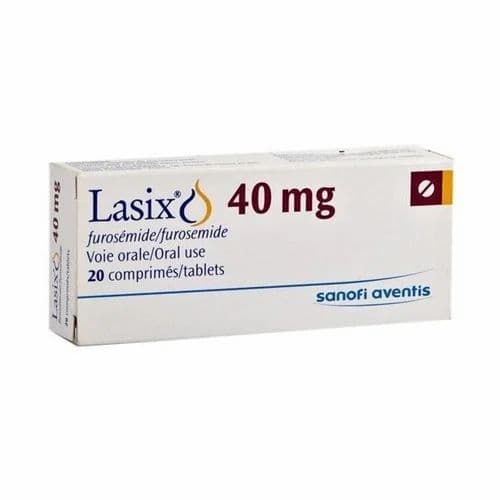
Hydralazine Compounded Oral Suspension
The compounded hydralazine oral suspension is a market-leading choice for small or pill-averse dogs because it enables precise, weight‑based dosing and palatable formulations that standard tablets cannot match. Although compounding increases per-unit cost relative to off-the-shelf Apresoline tablets, the technical advantage of customizable concentrations and flavored liquids makes it superior for pediatric, geriatric, or outpatient titration scenarios where dosing flexibility and adherence matter most.
Show More Vasodilators (Prescription) - Cardiovascular & Blood Pressure Medications for Dogs
Sildenafil (Generic)
Sildenafil (generic) is the principal pulmonary vasodilator in canine combination cardiac therapy, providing targeted reduction of pulmonary artery pressure and improving exercise tolerance in dogs with pulmonary hypertension. Although generally more expensive than atenolol and sometimes requiring additional monitoring when co-administered, its technical advantage in directly addressing pulmonary vascular resistance makes it a complementary agent to beta-blockers and spironolactone in multi-drug regimens.
Show More Combination Cardiac Therapies (Prescription) - Multi Drug Regimens for Dogs
What the Research and Guidelines Say About Canine Cardiovascular Drugs
Clinical trials and consensus guidelines support the targeted use of these drug classes in dogs. Large randomized studies and veterinary cardiology society recommendations provide practical frameworks for when to start therapy, which drug classes to prioritize, and how to monitor therapy safely. Evidence emphasizes that certain drugs improve clinical signs and delay progression for specific conditions while monitoring for kidney function, electrolytes, blood pressure and rhythm changes is essential.
Pimobendan has strong clinical evidence for improving clinical outcomes and delaying congestive heart failure in dogs with degenerative mitral valve disease - cited in major randomized trials and veterinary cardiology guidance.
ACE inhibitors (for example enalapril, benazepril) are supported in congestive heart failure and certain hypertensive states to reduce afterload and limit remodeling; guideline reviews recommend their use with renal monitoring.
Loop diuretics (for example furosemide) remain the first-line choice for rapid relief of pulmonary edema and congestive signs; dosing is titrated to effect with regular electrolyte and renal checks.
Beta-blockers and selected antiarrhythmics are indicated for specific arrhythmias and some forms of cardiomyopathy; their use requires ECG monitoring and careful dose adjustments.
Systemic hypertension management in dogs follows veterinary consensus statements that recommend identifying secondary causes, using appropriate antihypertensive classes, and monitoring target organ damage.
Combination therapy is common in advanced disease stages; evidence and expert opinion favor staged escalation based on disease stage, clinical response and safety monitoring.
Frequently Asked Questions
Which medication should I choose for my dog’s heart failure?
Vetmedin Chewable Tablets (pimobendan) are often chosen for canine congestive heart failure because it acts as a positive inotrope and vasodilator, and is commonly used alongside ACE inhibitors; it has an average rating of 4.6.
Does Semintra 10mg/mL help lower blood pressure and proteinuria?
Semintra 10mg/mL Oral Solution contains telmisartan at 10 mg/mL and reduces blood pressure and proteinuria by blocking angiotensin II receptors; it has an average rating of 4.4.
What’s the price for Atenolol 25mg tablets in Canada?
I can’t confirm the Canada price for Atenolol 25mg Tablets from the information provided, but it’s a selective beta-1 blocker for canine hypertension and some arrhythmias with an average rating of 4.4.
Is Semintra approved for dogs, or only cats?
The provided info says Semintra’s approved label is for cats, and it is used off-label in dogs under veterinary direction; it’s telmisartan 10 mg/mL oral solution with an average rating of 4.4.
Conclusion
This page summarizes prescription cardiovascular and blood pressure medication options for dogs in Canada and highlights the clinical rationale for ACE inhibitors, beta-blockers, diuretics, vasodilators and antiarrhythmics, plus the importance of dosing and monitoring. We hope you found the guidance you were looking for. To refine or expand your search, try keywords like the specific drug name, condition (for example 'mitral valve disease', 'systemic hypertension', 'arrhythmia'), or add your province to see local availability and regulatory notes.