

Veterinarian-Reviewed: Top 4 Endocrine & Metabolic Prescription Medications for Dogs in Canada (2026) — Insulin, Thyroid, Adrenal Therapies and When to Choose Each
This category covers veterinary prescription endocrine and metabolic medications for dogs used to manage conditions such as diabetes mellitus, hypothyroidism, hyperadrenocorticism (Cushing's), hypoadrenocorticism (Addison's), and diabetes insipidus. It includes hormone replacement therapies, insulin options and analogs, adrenal suppressants and mineralocorticoid replacements, plus metabolic regulators and monitoring protocols. Canadian pet owners and clinicians favor options that combine proven clinical efficacy, clear dosing guidance, accessible formulations (injectable, oral, compounded where appropriate) and robust monitoring plans. In the Canadian market, buyers are increasingly influenced by veterinarian recommendations, evidence-based guidelines, provincial prescribing rules, telemedicine access, pet insurance coverage, and the availability of reputable compounding or specialty pharmacy services. This page highlights practical choices and safety-focused guidance so owners and clinicians can make informed, confidence-building decisions for their dogs.
Inception's AI took the time to understand this market in Canada · · How we pickWe may earn a commission on purchases. It never affects our rankings.
Top Picks Summary
Caninsulin VetPen is a veterinary-formulated porcine insulin zinc suspension offered in a pen format that simplifies dosing for dogs and reduces wastage compared with vial-only products. It is positioned as a cost-conscious, clinic-friendly option with dosing pens that improve owner compliance versus vial-based insulins like Prozinc, while providing a more veterinary-focused formulation than human products such as Lantus or Humulin N.
Show More Prescription Veterinary Insulin Products for Dogs
Trilostane Vetoryl
Vetoryl (trilostane) is a licensed oral veterinary product indicated primarily for hyperadrenocorticism (Cushing’s disease) in dogs and is included here as a metabolic regulator with a strong regulatory and safety profile; its clinical value lies in addressing endocrine causes of insulin resistance and complex metabolic dysfunction. Compared with the antidiabetic agents on this list, Vetoryl targets a different but often related disease process and offers the technical advantage of being a fully authorized, label-supported product with established monitoring protocols, which can improve outcomes in dogs whose diabetes is complicated by adrenal disease. Economically, Vetoryl commands a premium relative to many compounded oral options due to its branded status and associated veterinary monitoring requirements, but that cost is offset by regulatory support and predictable supply.
Show More Prescription Veterinary Oral Antidiabetic and Metabolic Regulators for Dogs
Thyrosyn occupies a niche in the veterinary thyroid replacement market by offering formulations and tablet sizes intended for small-breed or sensitive canine patients where fine-tuned dosing is required. It is often chosen when clinicians need more tailored dosing than standard tablets provide; however, that specificity can come with higher per-dose costs compared with mass-market options such as Soloxine or generic levothyroxine tablets.
Show More Prescription Veterinary Thyroid Hormone Replacement Products for Dogs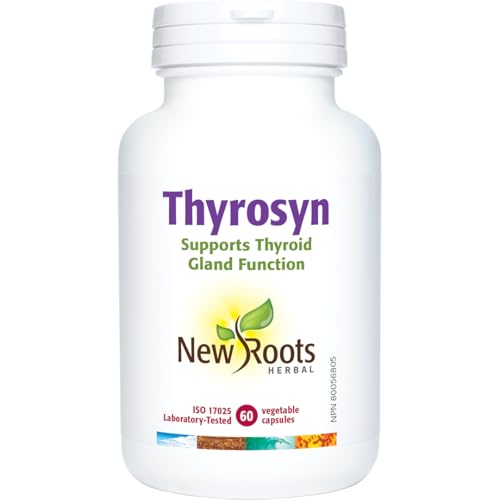
Percorten-V Injectable
Percorten‑V (desoxycorticosterone pivalate, DOCP) Injectable is the market‑leading long‑acting parenteral mineralocorticoid for dogs with primary hypoadrenocorticism, delivering predictable monthly electrolyte control. Its technical advantage over oral Florinef is steadier mineralocorticoid replacement with fewer compliance issues and often better long‑term cost‑effectiveness despite higher upfront injection visit charges; because it lacks glucocorticoid activity it is routinely used alongside a separate glucocorticoid such as prednisolone.
Show More Prescription Veterinary Adrenal Replacement and Corticosteroid Therapies for Dogs
What the Research and Guidelines Say
Clinical guidelines and peer-reviewed studies support the use of structured insulin protocols, thyroid hormone replacement and adrenal disease therapies in dogs when combined with routine monitoring. Research emphasizes individualized dosing, objective monitoring (blood glucose curves, fructosamine, ACTH stimulation tests, electrolytes), and close veterinary oversight to maximize benefit and reduce risk. Regulatory and clinical updates in Canada also underscore the importance of obtaining prescriptions from licensed veterinarians and using accredited pharmacies or compounding services when a commercial product is not suitable.
Insulin remains the cornerstone for managing canine diabetes; studies and consensus guidance show improved outcomes when insulin is paired with home glucose monitoring, veterinary-supervised dose adjustments, and dietary consistency.
Thyroid hormone replacement (levothyroxine) is proven to restore metabolic function in dogs with primary hypothyroidism; therapeutic monitoring with clinical signs and periodic thyroid panels reduces under- or overtreatment.
Trilostane (commercially available as Vetoryl in many markets) and mitotane are established options for treating Cushing's disease; evidence supports trilostane’s predictable, reversible enzyme inhibition and the need for regular electrolyte and cortisol monitoring.
For hypoadrenocorticism (Addison's), injectable mineralocorticoid replacement (desoxycorticosterone pivalate, DOCP) plus glucocorticoid supplementation often offers stable control with fewer electrolyte fluctuations compared with some oral options; clinical trials and field studies document improved quality of life with proper dosing and monitoring.
Objective monitoring tools such as blood glucose curves, spot glucose, serum fructosamine, ACTH stimulation tests, and routine electrolyte checks are repeatedly recommended across veterinary literature to guide safe dose adjustments and to detect complications early.
Canadian-focused research and professional guidance emphasize veterinarian-prescribed therapy, documented informed consent for off-label use (for example, human insulin analogs in dogs), and use of accredited pharmacies or compounding labs that meet provincial and national standards.
Frequently Asked Questions
Which insulin is used for hard-to-control canine diabetes?
Lantus (insulin glargine) is a long-acting human insulin analogue used off-label in dogs for a stable, peakless basal profile that can help brittle or hard-to-regulate diabetics. It is prescription-only, costs more than veterinary insulins, and needs careful titration with glucose monitoring under veterinary supervision.
What does Vetoryl (trilostane) treat in dogs?
Vetoryl (trilostane) is a licensed oral medication for canine Cushing's disease (hyperadrenocorticism). It reversibly inhibits cortisol synthesis and requires regular ACTH-stimulation or cortisol testing plus electrolyte monitoring, because over-suppression can cause hypoadrenocorticism.
How is Percorten-V (DOCP) used for Addison's disease?
Percorten-V (desoxycorticosterone pivalate, DOCP) is a long-acting injectable mineralocorticoid given roughly every 25–30 days for canine hypoadrenocorticism (Addison's). Because it has no glucocorticoid activity, it is paired with a glucocorticoid such as prednisolone, with periodic sodium and potassium monitoring.
Do these endocrine medications require a veterinary prescription in Canada?
Yes. Insulin analogues, trilostane and DOCP are all prescription-only and must be prescribed and monitored by a licensed veterinarian. Dosing is individualised using tools such as blood glucose curves, fructosamine, ACTH-stimulation tests and electrolyte panels.
Conclusion
In the Canadian context, choosing the right endocrine or metabolic medication for a dog combines evidence-based medicine, province-specific prescribing rules, and practical factors like formulation availability and monitoring capacity. We hope this guide helped you identify the right class of treatments and monitoring priorities for 2026; if you need to refine results by condition, drug formulation, or monitoring plan, use the search to expand or narrow your options.