

Top 7 Fish Food and Nutrition Picks in Canada for 2025 - Guide to Flakes, Pellets, Frozen & Live Foods, Plus Supplements (Which Fit Your Fish?)
This category covers staple and specialized fish diets available in Canada for 2025, including flakes, pellets, frozen and live foods, and targeted supplements designed for herbivores, carnivores, and omnivores. It highlights nutrition-focused options such as probiotics, color enhancers, high-quality omega sources, and reef-safe feeding solutions for marine tanks. Canadian hobbyists and aquaculture buyers favor these products for a mix of reasons: clear species-specific formulations, convenience and shelf stability for busy owners, visible health and color benefits, growing demand for sustainable ingredient sourcing, and access to reef-safe and low-nutrient options for planted and coral systems. Regional availability, labelling that lists guaranteed analysis and ingredient quality, and trusted retailer warranties also shape buyer preferences across provinces.
Inception's AI took the time to understand this market in Canada · · How we pickWe may earn a commission on purchases. It never affects our rankings.
Top Picks Summary
Fluval Bug Bites Tropical Formula stands out as the sustainable, insect-protein option that many aquarists choose to diversify diets and support gut health with black soldier fly larvae meal and high chitin content. Compared with fish- and krill-based foods above, Bug Bites offers a technical and environmental advantage — often commanding a premium price but providing efficient feed conversion and strong acceptance among picky eaters and omnivores in community setups.
Show More Dry Staple Foods for Aquarium Fish
Estimated$12 – $25
Nutrafin Max Frozen Brine Shrimp Cubes compete on convenience and predictable dosing: the cube format reduces waste, simplifies thawing, and is often priced competitively against loose frozen shrimp packs. While it may not match Hikari's sterilization or San Francisco Bay Brand's wild-caught cachet, Nutrafin’s cubes offer strong value for routine feeding schedules and for hobbyists who prioritize ease-of-use and portion control. For those managing frequent feedings or mixed-species tanks, the financial savings from less waste and consistent portions are a clear practical advantage.
Show More Frozen and Refrigerated Foods for Aquarium Fish
Brine Shrimp Direct's live baby brine shrimp are a staple entry-level live food prized for tiny size, universal acceptance by fry and plankton feeders, and outstanding affordability whether hatched at home or bought live. They are less nutritionally complete than copepods or blackworms, but their low cost, ease of use and ubiquity make them the most economical choice for mass-feeding young freshwater and marine larvae during critical early growth stages.
Show More Live Foods for Aquarium Fish
We may earn a commission on purchases. It never affects our rankings.
$3.99CAD
Hikari Bio-Pure Freeze Dried Daphnia is the market leader thanks to its wide availability, consistent quality control, and wallet-friendly pricing that make it ideal for routine feedings and fish health maintenance. Compared to Northfin's premium mysis, Hikari's daphnia is the more cost-effective staple for freshwater hobbyists and excels at promoting digestion and appetite, though it delivers a lower concentration of marine-specific lipids and protein per bite.
Show More Freeze Dried Foods for Aquarium Fish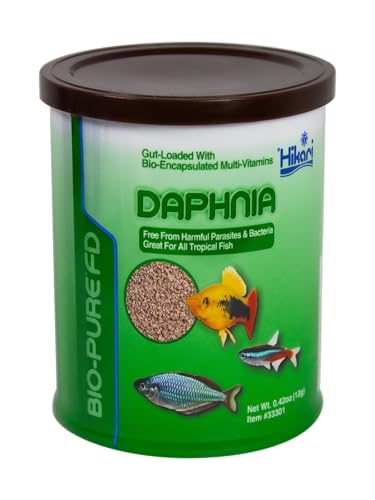
Omega One Super Color Veggie Kelp Pellets
Omega One Super Color Veggie Kelp Pellets are a market-leader style offering that balances affordability with whole-food inclusions such as kelp and freeze-dried marine ingredients to boost color and natural feeding responses in herbivores and omnivores. They present a cost-effective middle ground between entry-level wafers and premium veggie formulas, providing strong palatability and visible color enhancement without the higher price tags of top-tier brands. Compared to New Life Spectrum or Northfin, Omega One emphasizes broad accessibility and inclusion of whole-food attractants as its chief technical and financial advantage for hobbyists seeking both performance and value.
Show More Specialized Species Diets for Herbivore Carnivore and Omnivore Aquarium Fish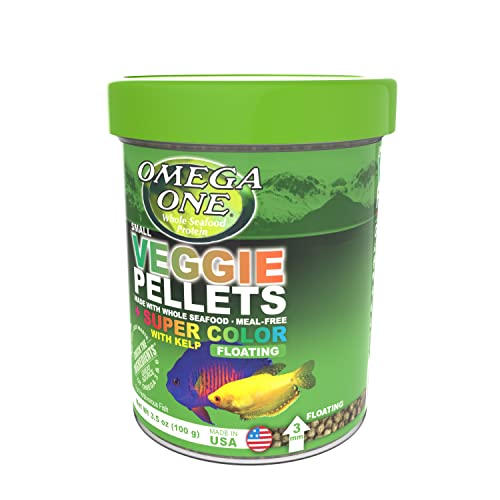
We may earn a commission on purchases. It never affects our rankings.
$13.00CAD
Northfin Veggie Formula is a premium plant-focused formula designed for herbivores and young fish requiring high-fiber, vitamin- and mineral-dense diets; its concentrated nutrient load and durable pellet form reduce waste and support gut health. Compared with algae-forward, budget veggie pellets, NorthFin leans into concentrated fortification and longer pellet integrity, which can raise upfront cost but lower feed volume and improve long-term husbandry outcomes for specialized aquaria.
Show More Nutritional Supplements and Additives for Aquarium Fish
New Life Spectrum Marine Fish Formula
New Life Spectrum Marine Fish Formula ranks as a premium all-around marine staple that combines high-quality fish meals, microalgae and stabilized vitamins to offer a nutritionally complete, reef-safe diet with strong immune and color support. Technically it rivals Hikari in everyday usability but leans toward higher ingredient quality and digestibility, which can reduce waste and slightly lower long-term maintenance costs despite a higher upfront price. Compared to concentrated items like PE Mysis or TDO Chroma Boost, New Life Spectrum is a comprehensive base feed that covers most nutritional needs so specialized additions are only required for specific species or display goals.
Show More Reef Safe Foods for Marine and Reef Aquarium Fish
Estimated$25 – $50
What Science and Industry Research Says About Fish Nutrition
A growing body of aquaculture and aquarium nutrition research supports targeted feeding strategies. Studies and industry trials consistently show that properly balanced diets and selective supplements improve growth, coloration, immune response, and reproductive performance in many species. Research also emphasizes matching feed type to digestive physiology (herbivore, carnivore, omnivore), using probiotics and prebiotics to support gut health, and choosing reef-safe feeding practices to protect water quality in marine and reef tanks.
Protein quality and digestible amino acids matter - peer-reviewed aquaculture research links balanced protein profiles to better growth rates and feed conversion ratios compared with generic, low-quality feeds.
Probiotics and prebiotics can improve gut health, resistance to common pathogens, and nutrient absorption in both ornamental and farmed fish, according to multiple controlled studies.
Dietary carotenoids and xanthophylls are effective at enhancing natural coloration in many species when included at appropriate levels in feed.
Frozen and live foods often deliver higher palatability and certain heat-sensitive nutrients compared with heavily processed dry feeds, making them valuable for picky or breeding fish.
Omega-3 fatty acids (EPA, DHA) and a balanced lipid profile support brain, eye, and overall physiological health in marine and freshwater species.
Reef-safe feeding strategies and specialized coral/reef supplements help minimize excess dissolved nutrients and algal outbreaks while supplying essential trace elements for corals and sessile invertebrates.
Frequently Asked Questions
Which fish food should I pick for tropical community tanks?
Choose Fluval Bug Bites Tropical Formula for tropical community tanks; it uses black soldier fly larvae meal insect protein and is rated 4.6, designed to support gut health and vitality with natural pigments.
What makes Hikari Bio-Pure Frozen Brine Shrimp different?
Hikari Bio-Pure Frozen Brine Shrimp uses a quick-freeze Bio-Pure process to preserve nutrients and reduce bacterial load, and it’s rated 4.6 for high-protein frozen brine shrimp in convenient cube portions.
Is Hikari Bio-Pure Frozen Brine Shrimp worth the price?
At CAD $15.34, Hikari Bio-Pure Frozen Brine Shrimp gives you quick-freeze Bio-Pure processing, high-protein frozen brine shrimp, and cube portions for portion control, with an average rating of 4.6.
Will live daphnia work for small freshwater fish fry?
Aquarist Canada Live Daphnia Culture is made for small to medium freshwater fish and fry, providing a steady supply of grazing prey; it’s rated 4.3, but warranty duration isn’t listed.
Conclusion
Whether you are stocking a freshwater community tank, maintaining a planted aquarium, or managing a reef display in Canada, this roundup of staple and specialized fish diets for 2025 should help you narrow options and ask the right questions about species needs, ingredient sourcing, and water quality. We hope you found what you were looking for. Use the site search to refine results by species, product type, sustainability credentials, or province availability to find the best match for your fish.