

Discover the Top 5 Floating Plants for Freshwater Aquaria in Canada - Expert Picks for 2026
Floating plants are a crucial addition to any freshwater aquarium, providing a blend of aesthetic beauty and functional benefits. With a wide selection available, aquarists in Canada are increasingly favoring floating plants for their ability to enhance water quality, reduce algae growth, and create a secure environment for fish fry. These plants not only offer shade to lower light levels in the tank, promoting a more balanced ecosystem, but they also serve as a natural filter that absorbs excess nutrients from the water, thus helping to control algae proliferation. Moreover, floating plants provide valuable cover for both baby fish and timid species, offering them hiding spots to evade predators while they grow. The growing consumer preference for these plants is attributed to their low maintenance and fast growth rates, ensuring that both novice and experienced aquarium keepers can enjoy robust, healthy tanks. In this guide, we present the top five expert-selected floating plants for freshwater aquaria in Canada for 2026, highlighting their unique features and benefits, such as ease of care and suitability for various tank conditions.
Inception's AI took the time to understand this market in Canada · · How we pickWe may earn a commission on purchases. It never affects our rankings.
Top Picks Summary
Amazon Frogbit (Limnobium laevigatum)
Amazon Frogbit is a best-in-class choice for freshwater aquaria because it combines fast surface coverage with a dense, dangling root mass that shelters fry and filters nutrients, making it a cost-effective starter plant compared with more specialist floaters. It is generally easier to grow than Red Root Floaters and less prone to the aggressive spread of Dwarf Water Lettuce, offering a low-maintenance balance of biological benefit and affordability for hobbyists and planted-tank keepers.

We may earn a commission on purchases. It never affects our rankings.
$12.99CAD
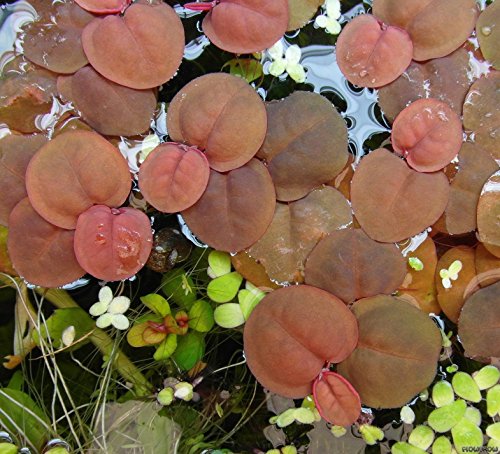
Red Root Floaters (Phyllanthus fluitans)
Red Root Floaters are a market-leading ornamental floater prized for their striking red undersides under higher light, commanding a premium price but delivering strong aesthetic value and nutrient uptake for aquaria focused on visual impact. Technically more demanding than Amazon Frogbit and Salvinia minima, they reward aquarists with controlled lighting and stable water parameters, making them the go-to choice when color and display are prioritized over sheer coverage or lowest cost.
We may earn a commission on purchases. It never affects our rankings.
$5.99CAD
Dwarf Water Lettuce (Pistia stratiotes)
Dwarf Water Lettuce is a top pick for rapid surface coverage and heavy nutrient export — it establishes quickly and can significantly reduce algae pressure, offering a high ecological return-on-investment compared with slower floaters like Salvinia minima. Financially attractive for large tanks or ponds because a few specimens can multiply into thick mats, it is more aggressive than Amazon Frogbit and requires active management to avoid shading lower plants.

Salvinia Minima
Salvinia minima is a market leader for hobbyists seeking a small, hardy floater that tolerates a wide range of conditions and is typically one of the most budget-friendly options for freshwater aquaria. Technically simpler to contain than Dwarf Water Lettuce and more compact than Water Spangles, it offers reliable nutrient export and surface cover without the higher light demands or premium price of Red Root Floaters, making it ideal for beginners and densely stocked tanks.

Estimated$8 – $25
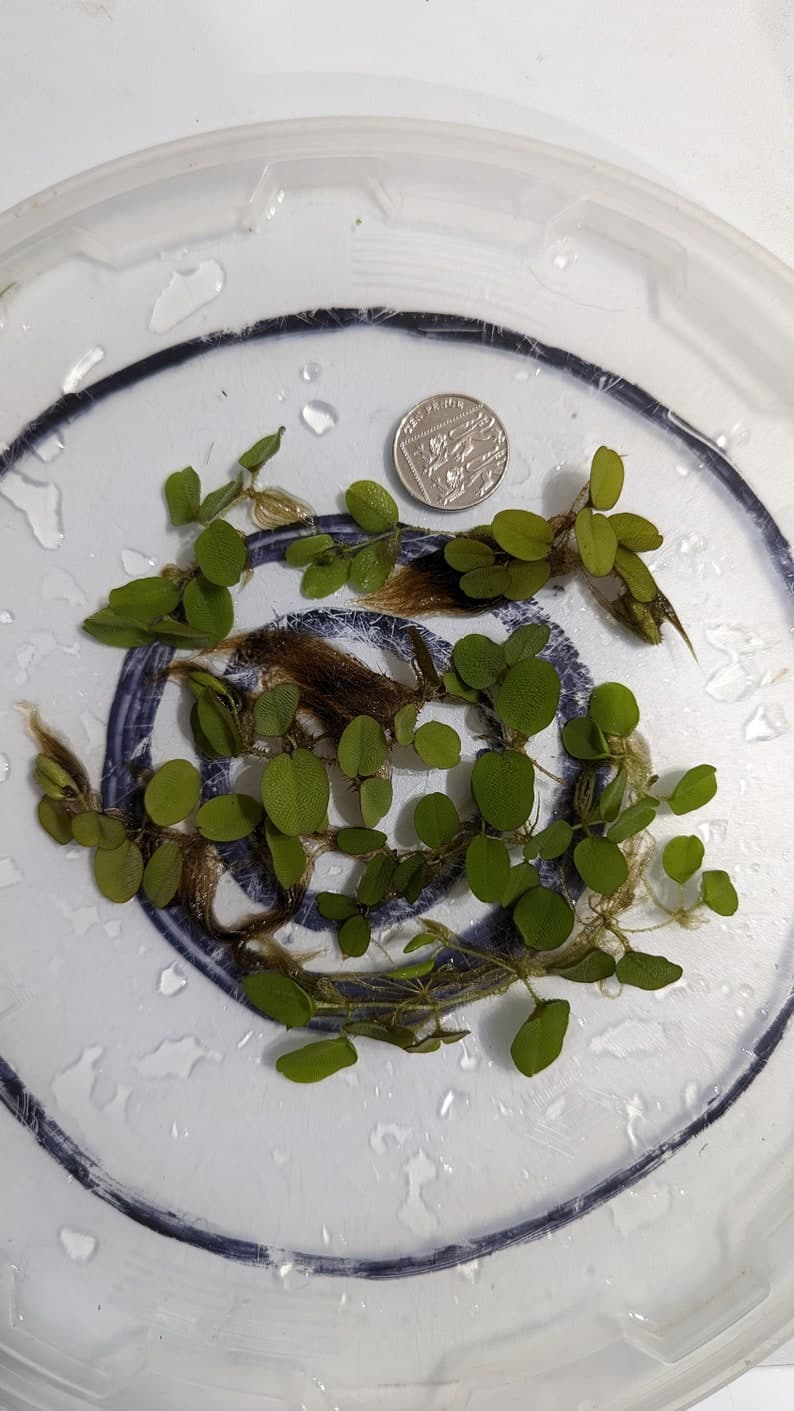
Water Spangles (Salvinia auriculata)
Water Spangles stand out as a high-performance floater thanks to their textured leaves and vigorous growth, which provide excellent nutrient uptake and refuge for small fish — a technical advantage for aquarists managing high bioload tanks. While typically more vigorous and potentially harder to contain than Salvinia minima, their robustness and rapid propagation deliver strong ecological benefits that can offset the higher purchase or shipping costs when used strategically in nutrient control plans.
Estimated$10 – $30
The top floating plants for freshwater aquaria in Canada provide crucial advantages such as natural algae control, shade for fish, and safe environments for fry. Each of these selections is easy to maintain, fast-growing, and visually appealing, making them essential components for a thriving aquarium ecosystem.
What research and practice say about floating plants
Scientific studies and aquaculture practice support floating plants as an effective component of freshwater tank management. Research and controlled trials demonstrate that floating plants can reduce dissolved nutrients that fuel algae, create shaded microhabitats that alter algae growth patterns, and provide refuge for fry and microfauna. At the same time, studies note important trade-offs—such as changes in daytime oxygen production and nighttime oxygen demand, and the potential for some species to spread outside intended environments—so monitoring and responsible sourcing are recommended.
Nutrient uptake: Controlled studies show floating plants absorb nitrates and phosphates from the water column, helping reduce excess nutrients that promote algae blooms.
Algae competition: By shading the surface and consuming nutrients, floating mats limit light and food available to phytoplankton and filamentous algae.
Habitat and breeding: The roots and underside of floating plants offer shelter and feeding zones for fry, invertebrates, and shy species, increasing survival in breeding setups.
Water chemistry dynamics: Floating plants influence diurnal oxygen and pH cycles—photosynthesis raises oxygen and pH by day while respiration at night can lower oxygen—so adequate surface agitation and monitoring are advised.
Bioremediation potential: In aquaculture and experimental wetland studies, floating species have been used for initial nutrient polishing and to reduce suspended particulates in effluent.
Environmental caution: Multiple reports and regulatory reviews highlight that some floating species can become invasive if released into natural waterways; always buy from reputable suppliers and follow local guidelines.
Frequently Asked Questions
Which floating plant should I buy for fry shelter?
Amazon Frogbit (Limnobium laevigatum) is a strong pick at 4.6 rating because it forms rapid surface cover with long dangling roots that offer shelter for fry and helps reduce nitrates with shade.
Does Amazon Frogbit tolerate moderate light and temperatures?
Amazon Frogbit (Limnobium laevigatum) tolerates a wide temperature range and moderate light, and it spreads quickly with small rosettes plus long dangling roots for fry shelter.
Are red root floaters worth paying $19.99 for?
Red Root Floaters (Phyllanthus fluitans) cost $19.99 CADand have a 4.2 average rating, focusing on nutrient uptake and bright-light colour where red undersides develop under higher light.
Do dwarf water lettuce plants need pruning in small tanks?
Dwarf Water Lettuce (Pistia stratiotes) grows into dense surface mats but can outgrow small aquaria, so regular pruning is recommended; it’s rated 4.0 and priced at $25.99 CAD
Conclusion
In summary, the selected floating plants are designed to enhance the health and appearance of your freshwater aquarium. The Amazon Frogbit (Limnobium laevigatum) stands out for its rapid growth and effective shading capabilities, while the Red Root Floaters (Phyllanthus fluitans) draw attention with their striking red-hued roots and ability to absorb excess nutrients. The Dwarf Water Lettuce (Pistia stratiotes) provides excellent cover for fry with lush, floating leaves, whereas Salvinia Minima is known for its resilience and minimal care requirements. Lastly, Water Spangles (Salvinia auriculata) offer a wonderful aesthetic while maintaining tank health. Each of these options presents unique benefits, and the Amazon Frogbit is the top choice for those seeking a reliable all-rounder. We hope you found the information you were looking for. Feel free to refine your search or expand your exploration of floating plants to better suit your aquarium needs.