

Top 5 Encrusting Stony Corals in Canada for 2025: Expert Guide to Colorful, Stable Reef Picks (Which One Suits Your Tank?)
Encrusting stony corals spread over rock and substrate, forming colorful mats that help stabilize aquarium hardscape. They are low-profile options often used to fill gaps and provide durable coverage in both beginner and advanced systems. In the Canadian market these corals are especially appealing because they offer hardy growth forms that tolerate a range of light and flow conditions, ship well when properly packed for colder climates, and provide reliable aesthetic impact without requiring high vertical space. Hobbyists choose encrusting varieties to create unified reef carpets, reduce maintenance by limiting detritus traps, and accelerate aquascape stability. For Canadian buyers, factors such as seasonal shipping windows, local fragging communities, and availability through regional dealers strongly influence preferences—buyers often favor species that are resilient, easy to frag, and available as small frags to reduce acclimation risk.
Inception's AI took the time to understand this market in Canada · · How we pickWe may earn a commission on purchases. It never affects our rankings.
Top Picks Summary
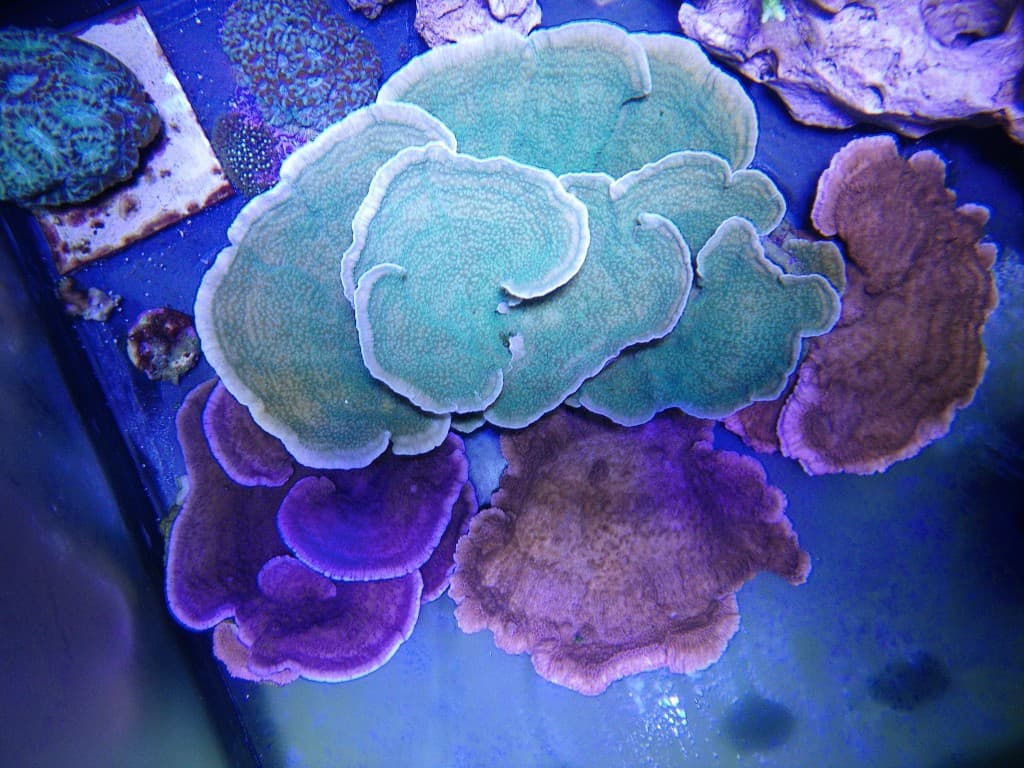
Montipora Capricornis
Recognized here as the best-in-class encrusting stony coral, Montipora capricornis combines rapid lateral growth and predictable plating behavior that make it ideal for reefkeepers seeking quick cover and frequent frags—a clear technical and financial advantage for breeders compared with slower growers. Compared with Montipora undata it is markedly hardier and cheaper to propagate, and it generally requires higher lighting than Leptoseris but provides faster aesthetic returns than the bulkier Mycedium or lower-cost Pavona.
Estimated$40 – $150
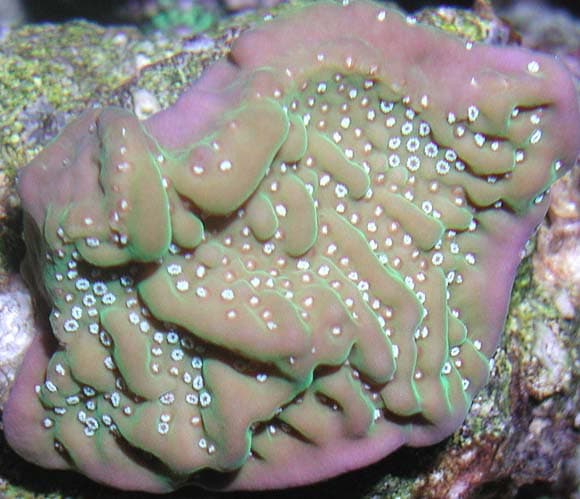
Montipora Undata
Montipora undata holds a market-leader position among collectors for its delicate, wavy encrusting texture and striking coloration that command premium prices despite slower growth rates. Technically it is more sensitive to water chemistry than Montipora capricornis, which raises husbandry costs, but its rarity and patterning often yield greater per-frag value than the more common Pavona or the plate-like Mycedium.
Estimated$80 – $250
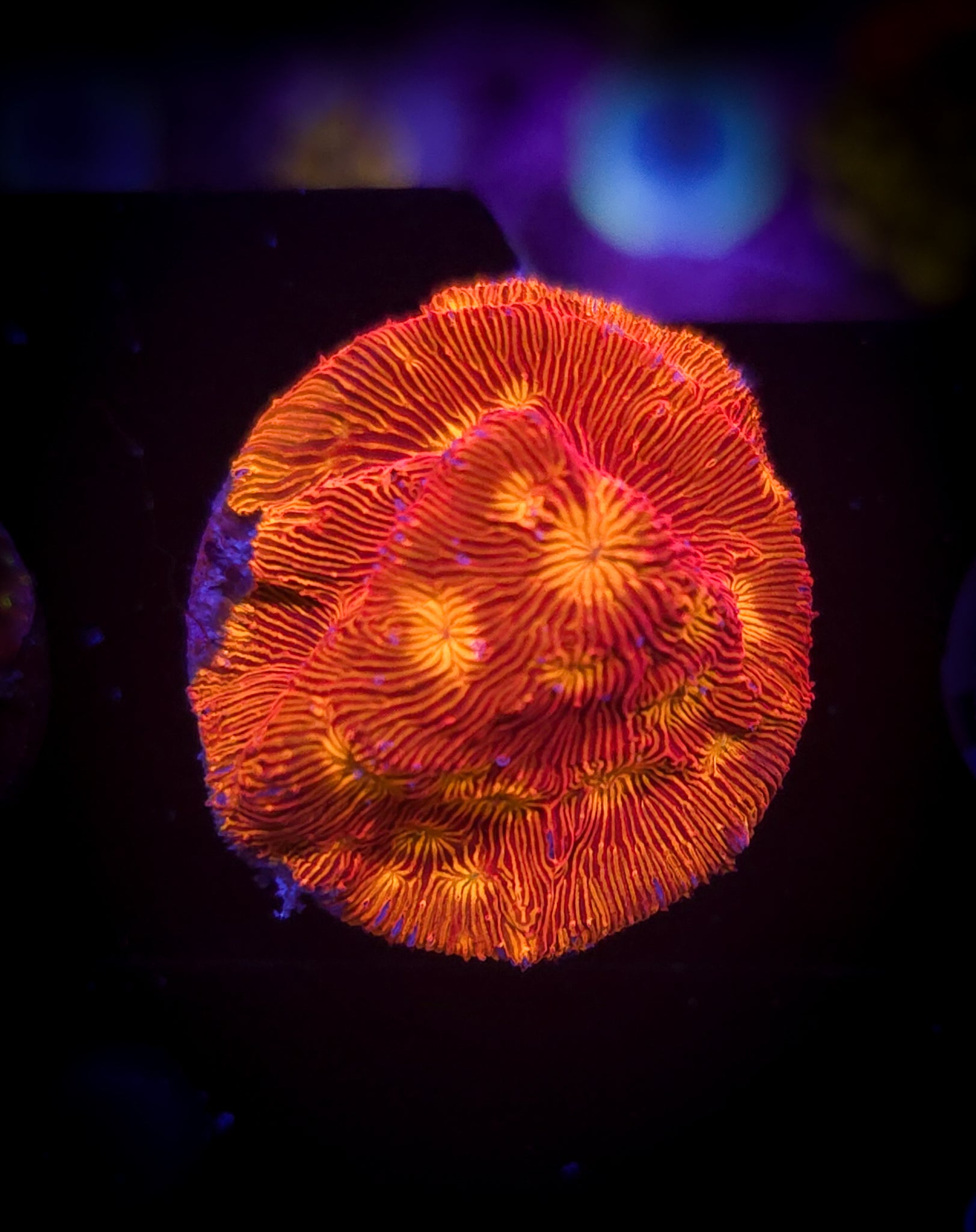
Leptoseris Orange Eye
Leptoseris 'Orange Eye' is the niche leader for low-light encrusting applications, thriving where moderate to low PAR is preferred and allowing hobbyists to save on intense lighting setups—an operational cost benefit compared with light-demanding Montipora species. While it grows more slowly and produces fewer marketable frags than Montipora capricornis, its specialized appeal and dependable performance in shaded or deep-tank displays make it technically advantageous for certain reef designs.
Estimated$150 – $400
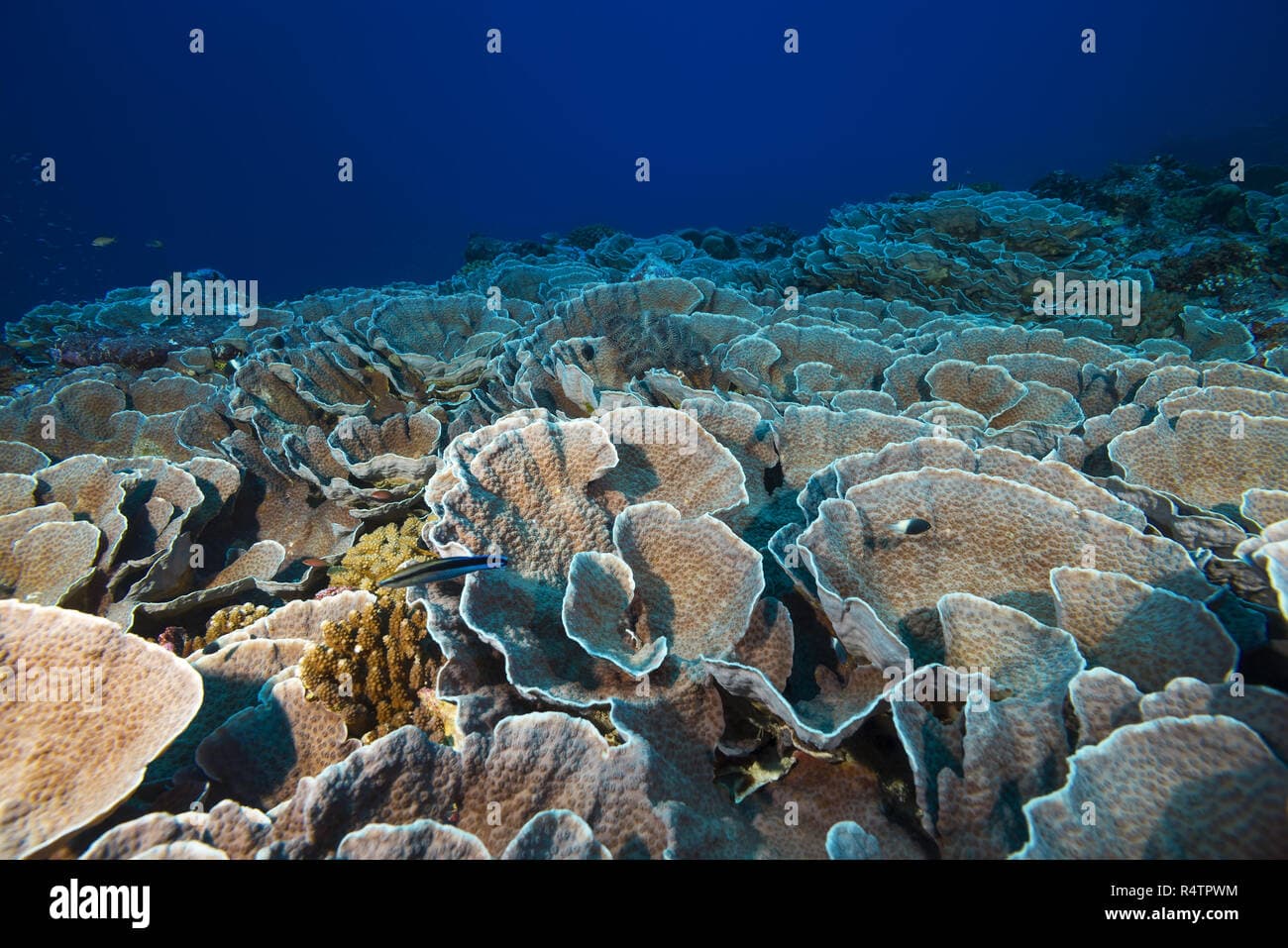
Mycedium Elephantotus
Mycedium elephantotus is the market choice when bold plate-like encrusting forms are desired; its thick tissue and large surface area create striking focal pieces that command high retail prices despite lower frag yields. It is generally more tolerant of flow and marginal water changes than the more delicate Montipora undata and offers a visual impact that can deliver stronger single-frag returns compared with budget options like Pavona, though it requires more aquarium footprint.
Estimated$100 – $300
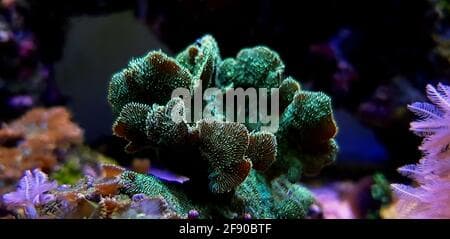
Pavona Cactus Coral
Pavona cactus is positioned as the best-value encrusting stony coral, prized for its ease of care and rapid acclimation which reduce upfront and ongoing costs for hobbyists and retailers alike. Technically forgiving compared with premium Montipora and Mycedium specimens, Pavona provides quick aesthetic results and high availability, making it an economical choice for beginners or for filling display space where the higher-priced species would be overkill.
Estimated$60 – $200
What the Research Says About Encrusting Stony Corals
Scientific studies and aquarium research provide practical insights into why encrusting stony corals are effective for home reefs. Research into coral calcification, growth morphology, and microhabitat interactions explains how encrusting forms spread, stabilize substrate, and coexist with other sessile organisms. Laboratory and field work from marine research institutions and reef science programs highlights the role of flow, light spectrum, and water chemistry in shaping encrusting coral performance. Below are beginner-friendly takeaways grounded in that body of research.
Calcification and lateral growth: Controlled studies show that many encrusting corals allocate energy to lateral skeletal deposition, which promotes fast mat formation and helps bind rubble and substrate.
Flow and nutrient exchange: Experiments demonstrate that moderate, turbulent flow improves feeding and waste removal for encrusting species, supporting healthier, faster expansion than stagnant conditions.
Light tolerance and pigmentation: Research indicates some encrusting taxa perform well under moderate to high light, while others adapt to shaded microhabitats; pigmentation and zooxanthellae density shift with light intensity.
Resilience to sedimentation: Encrusting morphologies typically shed sediment better than branching forms, improving survival in tanks where detritus accumulates in crevices.
Ecosystem benefits in aquaria: Scientific and hobbyist observations note that encrusting corals increase surface-area biodiversity and reduce bare rock that can otherwise encourage nuisance algae, contributing to a more stable reef environment.
Frequently Asked Questions
Which encrusting stony coral should I buy for reef coverage?
Montipora Capricornis is the best pick for quick rockwork coverage because it has rapid encrusting and plating growth and performs best with stable calcium and alkalinity plus moderate to strong water flow; rating 4.5.
What growth or lighting spec does Montipora Undata need?
Montipora Undata prefers moderate-high light and steady water chemistry to maintain growth and coloration, and it needs consistent parameters with moderate flow to prevent tissue recession; rating 4.2.
Does Leptoseris Orange Eye cost less by needing less light?
Leptoseris 'Orange Eye' is positioned as a low-light encruster that can save on intense lighting setups, since it typically prefers low-to-moderate light and gentle flow; rating 3.9; no price provided.
Is Leptoseris Orange Eye better for low PAR tanks?
Yes—Leptoseris 'Orange Eye' is a niche leader for low-light encrusting, typically preferring low-to-moderate light with gentle flow, and it requires very stable water conditions; rating 3.9.
Conclusion
In the context of Canada, encrusting stony corals like Montipora Capricornis, Montipora Undata, Leptoseris Orange Eye, Mycedium Elephantotus, and Pavona Cactus Coral are practical, attractive choices for reef keepers seeking durable coverage and color. Among these options, Montipora Capricornis often stands out as the best all-around choice for many Canadian hobbyists because of its combination of availability, hardiness, and predictable growth habit. We hope you found what you were looking for; you can refine or expand your search at any time using the site search to compare lighting needs, frag sizes, or local availability.