

Top 5 Stable & Pasture Environmental Insecticides and Larvicides in Canada (2025): An Expert Guide to Equine-Safe Residual Control and What Veterinarians and Barn Managers Are Choosing
This category covers residual insecticides, larvicides, and perimeter treatments formulated for use in barns, manure management areas, and pastures to control larvae and adult insects around equine facilities. Canadian users prioritize products that balance long-lasting control with equine safety, low non-target impact, label-approved use in livestock environments, and compatibility with integrated pest management (IPM) practices. Stable and pasture products are appealing because they reduce fly pressure, lower disease risk, reduce animal stress, and limit labor through longer residual activity or controlled-release formulations. Buyers often choose solutions that fit routine barn workflows (spot treatments, perimeter barriers, manure area treatments), have clear label directions for equine settings, and support resistance management through rotation and combined biological and chemical approaches.
Inception's AI took the time to understand this market in Canada · · How we pickWe may earn a commission on purchases. It never affects our rankings.
Top Picks Summary
Absorbine UltraShield EX Insecticide & Repellent
UltraShield EX combines a contact insecticide with a long‑lasting repellent formulation tailored for stables and pastures, making it a versatile frontline product for protecting horses and livestock. It stands out in this list for offering immediate knockdown plus repellent activity in a single application, delivering cost savings on repeated treatments compared with products that require separate adulticide and repellent applications, while complementing longer‑residual options like controlled‑release cyfluthrin or targeted larvicides.

We may earn a commission on purchases. It never affects our rankings.
$35.41CAD
Cykick CS Controlled Release Cyfluthrin
Cykick CS is a microencapsulated cyfluthrin formulation engineered for extended residual control in livestock buildings, fencing and other structural treatment sites on farms and pastures. Its controlled‑release technology gives it a clear technical advantage for reducing application frequency and labour costs versus standard wettable powders or emulsifiable concentrates, and it pairs well with larvicides on this list to provide integrated adult suppression without frequent reapplication.

Estimated$150 – $260
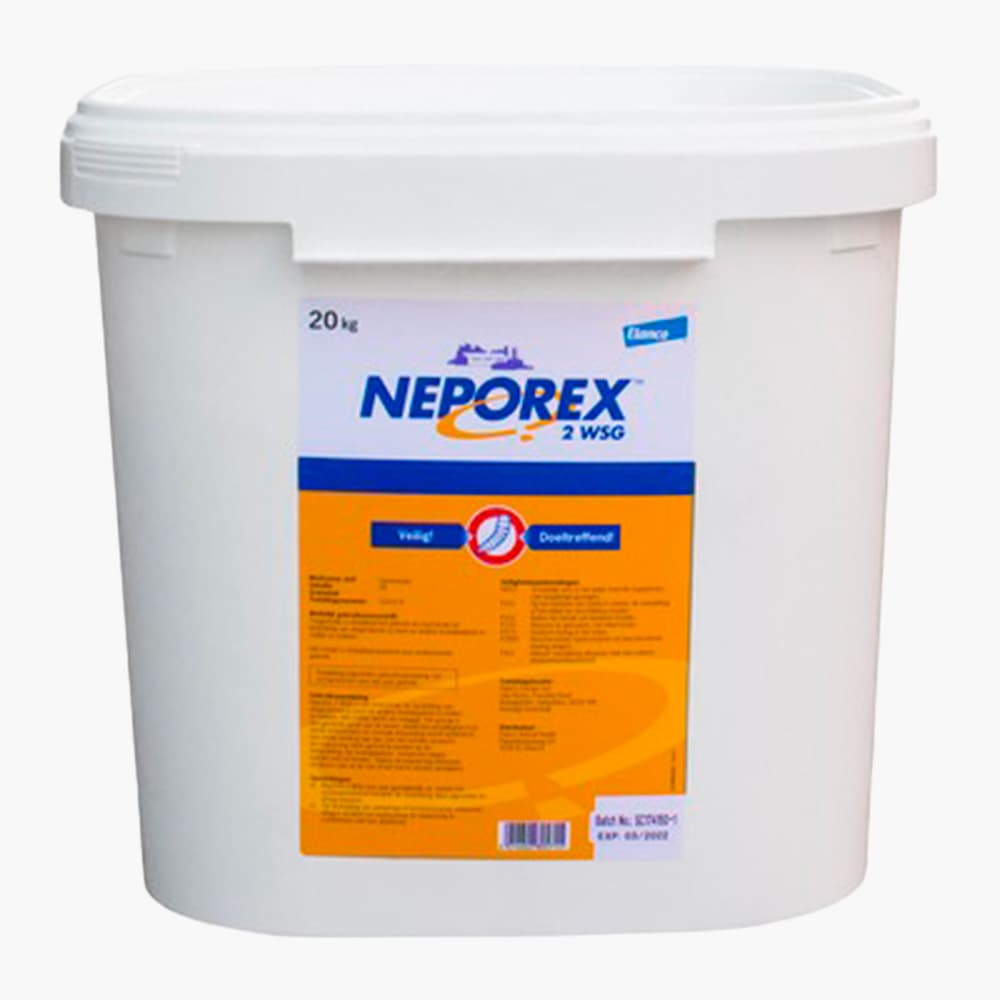
Neporex 2 WSG Larvicide
Neporex 2 WSG is a water‑soluble granule larvicide formulated for treating standing water, manure lagoons and other larval habitats commonly found around stables and pastures, delivering targeted larval control that reduces future adult populations. Its financial advantage is the ability to prevent outbreaks at source—lowering long‑term control costs compared with repeated adulticide sprays—and it functions as an ideal partner to adulticides like UltraShield EX and Cykick CS for comprehensive site management.
Estimated$90 – $180
Tempo 20 WP Insecticide
Tempo 20 WP is a fast‑acting, broad‑spectrum pyrethroid wettable powder prized for rapid knockdown of flies, stable pests and perimeter invaders in animal housing and pasture structures. It offers an economical option for spot and emergency treatments when immediate suppression is needed, though its shorter residual compared with controlled‑release products makes it most effective when integrated with long‑lasting or larvicidal treatments from this list.

We may earn a commission on purchases. It never affects our rankings.
Estimated$140 – $260
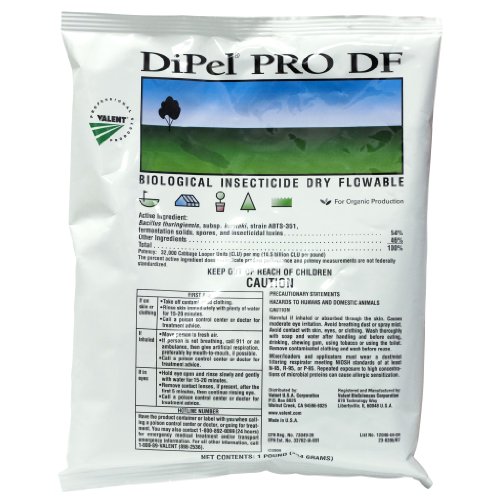
DiPel 2X DF Biological Insecticide
DiPel 2X DF is a Bacillus thuringiensis–based biological insecticide that selectively targets caterpillar larvae and other susceptible lepidopteran pests, offering a low‑toxicity option suitable for pastures and grazing areas where residue minimization and pollinator safety are priorities. Its technical and environmental advantage is compatibility with integrated programs—reducing reliance on synthetic chemistries in sensitive areas—and it can be used alongside chemical adulticides and larvicides to preserve beneficial insects and meet stewardship goals.
Scientific Evidence and Best Practices
Controlled trials, field studies, and IPM reviews support using targeted residual insecticides together with biological larvicides and sanitation to achieve sustained pest suppression in livestock settings. The evidence base emphasizes correct product selection, adherence to label instructions for equine environments, and integrating non-chemical measures (manure management, drainage, physical exclusion) to reduce reliance on repeated broad-spectrum treatments.
Residual pyrethroid formulations have demonstrated strong knockdown and multi-week residual activity against adult stable flies and house flies when applied to recommended substrates; efficacy depends on application surface and weather exposure.
Controlled-release cyfluthrin systems can extend effective control intervals and reduce application frequency compared with conventional sprays, which may lower operator exposure and non-target contamination when used per label.
Bacillus thuringiensis (Bt) based larvicides, such as biological formulations, show specific larval control with minimal impact on non-target organisms and are effective in targeted breeding sites when applied at labeled rates.
Water-soluble granules and wettable powders for larval control (WSG/WP) enable precise dosing into wet manure and standing water habitats where immature stages thrive, improving active ingredient delivery to breeding sites.
Integrated Pest Management (IPM) studies in livestock operations report the greatest long-term reductions in fly populations when sanitation, biological larvicides, and selective residual insecticides are combined, with product rotation recommended to manage resistance.
Regulatory guidance from Canadian authorities highlights the importance of using products according to label directions for livestock use and considering environmental stewardship (runoff prevention, buffer zones) when treating outdoor and manure areas.
Conclusion
In the Canadian context, stable and pasture environmental insecticides and larvicides should be chosen for proven residual performance, equine safety, and compatibility with IPM practices. The five products featured here — UltraShield EX Insecticide & Repellent, Cykick CS Controlled Release Cyfluthrin, Neporex 2 WSG Larvicide, Tempo 20 WP Insecticide, and DiPel 2X DF Biological Insecticide — represent commonly considered options for barn and pasture use. For many equine facilities seeking a balance of protection and practical application, UltraShield EX Insecticide & Repellent is often the best choice because it combines repellent and residual activity tailored to equine settings; however, Cykick CS, Neporex 2 WSG, Tempo 20 WP, and DiPel 2X DF each play important roles within a rotated, IPM-based program. We hope you found what you were looking for — refine or expand your search by product name, application site, or regulatory status to narrow options further.