

Top 6 Parasite Resistance Monitoring and Diagnostic Kits in Canada for 2026
Parasite Resistance Monitoring and Diagnostic Kits cover the tools veterinarians, diagnostic labs, and Canadian producers use to detect anthelmintic resistance and improve parasite control in horses and livestock. This category includes larval development assays, egg hatch tests, PCR and LAMP genotyping kits, fecal egg counting tools, and digital/automated fecal analyzers. In Canada, purchasers prioritize sensitivity, repeatability, fast turnaround, and simple, field-friendly workflows that deliver clear action thresholds. Adoption trends emphasize solutions that combine on-farm usability with validated laboratory performance and automated data capture so clinics and herd managers can optimize treatment timing, reduce unnecessary drug use, and limit spread of resistant parasite populations.
Inception's AI took the time to understand this market in Canada · We may earn a commission on purchases. It never affects our rankings.
Top Picks Summary
FECPAK G2 Digital Microscope System
FECPAK G2 is positioned as a best-in-class field-capable digital microscopy system for parasite egg and oocyst imaging, prized for its portability, cloud-based image sharing and low per-sample operating cost that suit large-scale resistance monitoring programs. Compared with lab-bound assays like DrenchRite it trades some laboratory sensitivity for rapid, decentralized screening and lower capital expenditure, and it outcompetes manual McMaster counts by delivering standardized digital records that reduce operator variability. For programs needing scalable, cost-effective surveillance and remote expert review, FECPAK G2 offers a technical and financial balance between precision and practicality.

DrenchRite Larval Development Assay
DrenchRite remains the market leader for phenotypic anthelmintic resistance detection because it provides drug-specific, quantitative larval development results with high sensitivity and regulatory acceptance in surveillance studies. Although more expensive and laboratory-intensive than point-of-care options like FECPAK G2 or McMaster, its technical precision and interpretability make it the gold standard for confirming resistance and guiding treatment economics at herd or regional scale. Programs that can absorb higher per-sample costs benefit from DrenchRite’s reliable dose-response data when validating resistance trends detected by faster screening tools.

VETSCAN IMAGYST Fecal Diagnostics Platform
As a market-leading, fully integrated digital microscopy and AI analysis platform, VETSCAN IMAGYST delivers rapid, standardized fecal parasite detection and quantification, making it a strong choice for centralized labs monitoring parasite resistance trends. Its automation and image-archiving reduce technician variability and long-term labor costs compared with manual egg-count methods like Mini-FLOTAC, while providing complementary phenotypic data to molecular kits such as Techion's LAMP genotyping system.

Mini-FLOTAC Egg Counting Kit
Mini-FLOTAC is a cost-efficient, highly sensitive flotation-based egg counting kit well suited to routine field monitoring and low-resource settings where detecting changes in egg-per-gram (EPG) is needed to inform resistance surveillance. Though it requires more hands-on time than automated systems (VETSCAN IMAGYST, Parasight), its low capital and consumable costs make it the most economical option for widespread, repeated sampling programs and a practical phenotypic complement to molecular resistance assays.

Parasight System Automated Fecal Analyzer
Parasight is positioned as an automated, mid-throughput fecal analyzer that balances faster sample processing and lower per-sample labor than manual methods with a smaller capital footprint than some high-end platforms, making it attractive for clinics and regional labs conducting resistance monitoring. It provides rapid phenotypic egg detection and reporting that pairs operationally with molecular approaches like the Techion LAMP kit—offering quicker screening than Mini-FLOTAC while remaining more affordable than top-tier digital microscopy solutions.
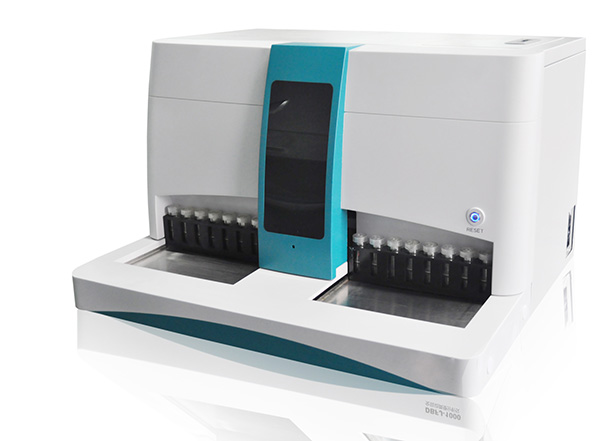
LAMP Anthelmintic Resistance Genotyping Kit by Techion
Techion's LAMP genotyping kit targets known anthelmintic resistance markers with isothermal amplification for fast, field-adaptable molecular surveillance that detects resistance before phenotypic shifts become obvious. While its per-test costs are higher than microscopy- or flotation-based options, its technical advantage—high specificity for resistance alleles and minimal equipment compared with qPCR—makes it indispensable for targeted treatment decisions and for validating trends seen in VETSCAN, Parasight, or Mini-FLOTAC screens.

What the Research Says: Beginner Friendly Summary
Scientific research supports an integrated approach to parasite resistance monitoring that pairs quantitative fecal egg counts with confirmatory laboratory assays and molecular testing. Consistent, repeatable fecal egg count methods allow producers to measure treatment effectiveness through fecal egg count reduction tests. Larval development and egg hatch assays remain valuable for phenotypic detection of resistance, while PCR and LAMP molecular assays can detect specific resistance alleles earlier and with high sensitivity. Recent studies and validation work from veterinary parasitology laboratories show that combining field-friendly platforms with confirmatory lab methods produces the most actionable results for herd-level decision making.
Fecal egg count reduction tests (FECRT) are the practical first-line method to evaluate drug efficacy and guide re-treatment intervals.
Larval development assays, like DrenchRite, provide robust phenotypic evidence of resistance across drug classes and are widely used as confirmatory laboratory tests.
Molecular methods such as PCR and LAMP detect known resistance alleles with high sensitivity and can identify emerging resistance before full loss of drug efficacy.
Mini-FLOTAC and similar standardized egg counting methods improve accuracy and repeatability compared with informal flotation techniques.
Automated imaging platforms and digital microscopes speed throughput, reduce operator variability, and support centralized data reporting for herd- or region-level surveillance.
Integrated monitoring programs that combine field testing, lab confirmation, and molecular genotyping deliver the clearest guidance on changing treatment protocols and reducing selection pressure.
Frequently Asked Questions
Which kit should a Canadian vet choose for resistance monitoring?
Choose VETSCAN IMAGYST Fecal Diagnostics Platform for centralized labs, since it’s a fully integrated digital microscopy and AI analysis platform that provides rapid, standardized fecal parasite detection and quantification; it’s rated 4.7.
What capability does FECPAK G2 digital microscope system provide?
FECPAK G2 Digital Microscope System is a portable tablet-based digital microscope that captures standardized fecal images for egg counts, with cloud connectivity for remote expert review and longitudinal resistance monitoring; rating is 4.3.
How does VETSCAN IMAGYST value compare to DrenchRite assay?
The provided data lists FECPAK G2 and VETSCAN IMAGYST with ratings 4.0 and 4.7, but gives no prices; it says DrenchRite Larval Development Assay is more expensive, while both support resistance monitoring.
Does DrenchRite larval development assay work for multi-drug resistance?
Yes—DrenchRite Larval Development Assay detects anthelmintic resistance by assessing larval development in the presence of drugs and delivers sensitive detection of multi-drug resistance; it’s rated 4.0.
Conclusion
This page highlights six leading options in Canada for parasite resistance monitoring and diagnostics: FECPAK G2 Digital Microscope System, DrenchRite Larval Development Assay, VETSCAN IMAGYST Fecal Diagnostics Platform, Mini-FLOTAC Egg Counting Kit, Parasight System Automated Fecal Analyzer, and the LAMP Anthelmintic Resistance Genotyping Kit by Techion. For most Canadian producers and mixed-practice clinics looking for a balance of field usability, digital reporting, and reliable sensitivity, the FECPAK G2 Digital Microscope System is the best overall choice on this list because it combines easy on-farm deployment with cloud-enabled reporting. If you need laboratory-confirmed phenotypic resistance detection, the DrenchRite Larval Development Assay remains the gold standard. The VETSCAN IMAGYST, Mini-FLOTAC, Parasight, and the Techion LAMP genotyping kit each serve specific roles from rapid automated counts to molecular resistance screening. We hope you found what you were looking for; use the search to refine by platform type, laboratory validation, or price to expand or narrow your options.