

Monoflap Saddles for Synthetic English — Canada 2025 Expert Guide: Top 5 Trusted Picks to Improve Contact, Comfort & Jumping Feel
Synthetic monoflap saddles offer closer contact and reduced bulk between rider and horse, making them especially popular with jumping and cross-country riders who want enhanced feel and a more streamlined knee alignment. In Canada, riders choose synthetic monoflap saddles for several practical reasons: they are lighter and easier to maintain in wet or variable climates, typically more affordable than high-end leather alternatives, and they deliver reliable consistency in panel shape and fit. The monoflap design minimizes layers under the rider’s leg, improving communication and reducing interference during jumps and technical schooling. Buyers in different Canadian regions prioritize weather resistance and low-maintenance materials, while performance-oriented riders focus on balance, knee roll placement, and how well the saddle matches their horse’s shape. Many synthetic options now include adjustable gullet systems, CAIR or air-panel technology, and modern flocking or foam panels to help riders achieve a better fit without the intensive upkeep associated with leather.
Inception's AI took the time to understand this market in Canada · · How we pickWe may earn a commission on purchases. It never affects our rankings.
Top Picks Summary
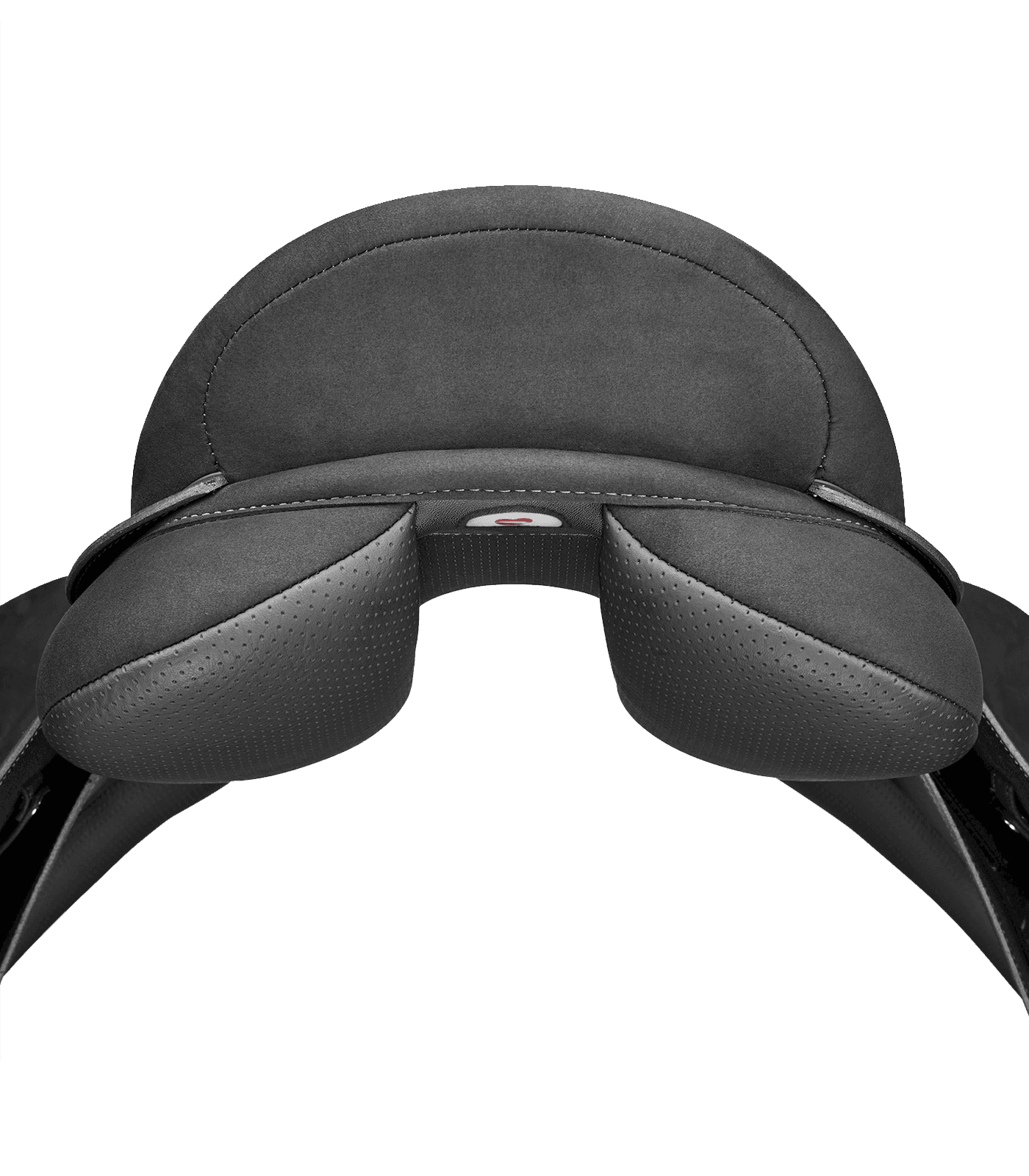
Wintec 2000 High Wither Jump Saddle
The Wintec 2000 High Wither Jump Saddle is a durable, easy-care synthetic monoflap designed specifically for high-wither horses, offering close contact at a budget-friendly price point. It stands out in the Monoflap Saddles for Synthetic English category by combining a forgiving high-wither tree with economical construction, making it cheaper than premium options like the Bates Caprilli while providing better wither clearance than compact models such as the Thorowgood T4. For riders who want reliable performance and low maintenance without the extra cost of advanced panel systems, the 2000 High Wither is a practical choice.
We may earn a commission on purchases. It never affects our rankings.
Estimated$500 – $800
Thorowgood T8 Jump Saddle
The Thorowgood T8 Jump Saddle is a market-leading synthetic monoflap favored for its broad fit range and thoughtful balance for jumping positions, positioning it slightly above entry-level models in both price and capability. In the Monoflap Saddles for Synthetic English lineup it competes by offering more refined fit options and a forward-cut flap compared with the compact, budget T4 and provides a more traditional flocked feel than air-panel models like the Wintec Pro. Riders seeking a strong balance of fit versatility and mid-range value often find the T8 delivers technical advantages for varied horse shapes without the premium cost of the Bates Caprilli.

Bates Caprilli Close Contact Saddle
The Bates Caprilli Close Contact Saddle is the premium offering in this Monoflap Saddles for Synthetic English group, delivering advanced fit features and a true close-contact fit prized by performance riders. It justifies its higher price through refined rider position, durable construction and precise balance that outperform more budget-minded synthetics like the Wintec 2000 and Thorowgood T4, making it a preferred choice where technical refinement and long-term comfort matter most. For buyers prepared to invest more, the Caprilli typically yields superior fit adaptability and longevity versus mid-range alternatives.

We may earn a commission on purchases. It never affects our rankings.
$2,966.00CAD
Wintec Pro Endurance Saddle
The Wintec Pro Jump Saddle with CAIR uses an air-filled panel system to provide pressure-relieving contact and consistent panel shape, making it a technically advanced option within the Monoflap Saddles for Synthetic English segment. Compared with traditional flocked saddles like the Thorowgood T8 and T4, the CAIR panels reduce the need for frequent reflocking and give a more even weight distribution, while remaining more affordable than top-tier leather performance models such as the Bates Caprilli. It is particularly attractive for owners prioritizing easy maintenance and reliable panel performance over time.

Estimated$900 – $1,400
Thorowgood T4 Compact Jump Saddle
The Thorowgood T4 Compact Jump Saddle is the budget-friendly, lightweight monoflap designed for riders and horses needing a forward, compact fit at a low price point. In the Monoflap Saddles for Synthetic English range it trades some of the advanced fit adjustability of the T8 and the technical air-panel benefits of the Wintec Pro for simplicity and affordability, making it especially suitable for smaller riders or short-backed horses. For those seeking the lowest upfront cost while retaining the synthetic monoflap feel, the T4 is a practical entry option.

What research and evidence say about monoflap and synthetic saddles
Equine biomechanics and saddle-fit research, including saddle pressure mapping and veterinary studies, support the practical benefits riders report from monoflap and modern synthetic designs. These investigations show that closer contact and properly fitted panel systems can improve signal transmission from rider to horse, reduce localized saddle pressure, and help maintain more consistent balance for the rider. Air- or multi-cell systems and well-engineered synthetic panels can reduce peak pressures compared with poorly fitted traditional panels, while adjustable gullets and modern flocking/foam systems improve fit across a wider range of horse shapes. Taken together, this body of evidence helps explain why many riders — especially jumpers and eventers — prefer monoflap synthetics for everyday schooling and competition.
Pressure mapping studies: Saddle pressure mapping used by equine clinicians shows that correct fit reduces peak pressures under the saddle; monoflap designs can lower bulk and improve pressure distribution when matched to the horse.
Improved rider-horse communication: Closer contact from monoflap panels helps riders feel subtle movements, improving aids and timing during jumping approaches and technical work.
Air and CAIR systems: Controlled-air or multi-cell cushioning can reduce shock and blunt peak pressure, offering a measurable comfort benefit for some horses compared with poorly fitted traditional panels.
Synthetic durability and consistency: Modern synthetic materials maintain shape better in wet climates and require less routine conditioning than leather, which appeals to Canadian riders dealing with winter and spring weather.
Adjustability matters: Adjustable gullets and capable flocking/foam systems are repeatedly identified in research and clinical practice as critical to achieving safe, low-pressure contact across different horse conformations.
Frequently Asked Questions
Which synthetic monoflap saddle suits jumping on high-wither horses?
Choose the Wintec 2000 High Wither Jump Saddle: it’s made for high-wither horses with a high-wither cut and contoured panels, has an average rating of 4.2, and includes an adjustable gullet for closer jumping contact.
What feature helps the Thorowgood T8 fit different horses quickly?
The Thorowgood T8 Jump Saddle includes an easy-change gullet system for rapid, on-the-fly fit adjustments across horses; it also has a low-profile monoflap jump seat for close-contact feel, with an average rating of 4.4.
Is the Bates Caprilli Close Contact Saddle worth its higher price?
The provided details don’t list a price or warranty for the Bates Caprilli Close Contact Saddle, but it does state an average rating of 4.3 and advanced fit options like adjustable tree/gullet plus panel choices (CAIR or flocking).
Does the Wintec 2000 High Wither Jump Saddle come with a gullet adjustment?
Yes—Wintec 2000 High Wither Jump Saddle has an adjustable gullet, uses lightweight durable synthetic monoflap construction for close-contact jumping, includes a high-wither hug benefit, and has an average rating of 4.2.
Conclusion
In the Canadian context, synthetic monoflap saddles provide a practical, performance-focused option for riders who want closer contact, simplified maintenance, and a predictable fit across seasons. The five models featured here — Wintec 2000 High Wither Jump Saddle, Thorowgood T8 Jump Saddle, Bates Caprilli Close Contact Saddle, Wintec Pro Jump Saddle with CAIR, and Thorowgood T4 Compact Jump Saddle — each address different priorities: the Wintec 2000 High Wither suits high-wither horses, the Thorowgood T8 offers adjustable fit and value, the Bates Caprilli delivers a close-contact feel, the Wintec Pro Jump with CAIR brings advanced shock management and modern panels, and the Thorowgood T4 is a compact option for shorter riders or tighter leg positions. If you want a balanced blend of comfort, adjustability and synthetic durability for Canadian conditions, the Wintec Pro Jump Saddle with CAIR is a strong all-round choice among these five. I hope you found what you were looking for — you can refine or expand your search using the site search to compare girths, girth systems, seat sizes, or to find local fitters and test-ride options.