Top 6 Coconut Coir Substrates in Canada for Reptiles and Amphibians: 2026 Picks
Published on Thursday, February 26, 2026
For reptile and amphibian enthusiasts in Canada, selecting the right substrate is a crucial step in creating a healthy and sustainable enclosure. Coconut coir substrates, made from processed coconut husk fibers, are widely valued for their moisture-retention ability, neutral pH, and biodegradable profile. In the Canadian market, buyers increasingly prefer coir over peat and other mined substrates because it supports stable humidity for tropical species, reduces environmental impact, and is easy to source from both local pet retailers and national online stores. Consumers also look for low-salt, pre-washed or sterilized options to reduce risk of irritation, and for blends that hold structure for burrowing species while remaining workable for naturalistic setups. As trends toward sustainability and biosecurity grow, coconut coir remains a top choice for beginners and experienced keepers who want a balance of performance, affordability, and eco-conscious sourcing.
Top Picks Summary
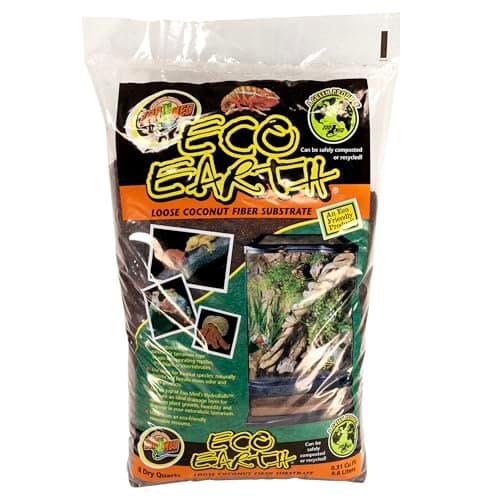
Zoo Med Eco Earth Loose Coconut Fiber Substrate
Zoo Med Eco Earth is a loose, finely shredded coconut coir substrate prized for its affordability and wide availability, making it a go-to choice for general reptile and plant use. Compared with compressed bricks or premium blends in this list, its loose form saves time when you need immediate use and offers excellent water retention, though it can be dustier and bulkier to ship than compressed alternatives.
What the Research and Practical Studies Say
Scientific and horticultural research supports many of the performance claims for coconut coir. Studies that evaluate growing media and substrate physical properties consistently show that coir has strong water retention and good porosity compared with peat. Environmental assessments note that responsibly sourced coir can have a lower ecological footprint than peat extraction. Applied husbandry and veterinary guidance emphasizes proper processing and moisture management to limit mold and ammonia build-up. Below are beginner-friendly takeaways derived from that body of work and practical husbandry reports.
Water retention and porosity: Controlled studies on growing media show coir holds moisture well while still allowing airflow, helping maintain stable enclosure humidity without becoming waterlogged when managed correctly.
pH and chemical stability: Processed coir typically has a near-neutral pH suitable for many tropical reptiles and amphibians; testing before use is recommended for sensitive species.
Microbial safety and processing: Research and husbandry guidance stress that properly washed and heat-treated coir has low pathogen risk. Untreated or reused coir can harbor molds or bacteria, so sterilization or regular replacement is advised.
Environmental impact: Lifecycle comparisons with peat indicate that coir, when sourced and transported responsibly, reduces pressure on peatlands and supports a more sustainable hobby.
Limitations and management: Studies and practical reports warn about salt residues in some coir batches and the potential for mold if substrate is kept oversaturated. Rinsing, buffering, and controlled humidity cycles help mitigate these risks.
Species-specific suitability: While coir is versatile, it is not one-size-fits-all. Burrowing snakes and many tropical amphibians benefit most; for species requiring very dry or sandy conditions, alternative substrates may be better.
Frequently Asked Questions
What is the best top 6 coconut coir substrates for reptiles and amphibians in Canada in 2026?
As of April 2026, Zoo Med Eco Earth Loose Coconut Fiber Substrate is the top choice for top 6 coconut coir substrates for reptiles and amphibians in Canada. Zoo Med Eco Earth is a loose, finely shredded coconut coir substrate prized for its affordability and wide availability, making it a go-to choice for general reptile and plant use. Compared with compressed bricks or premium blends in this list, its loose form saves time when you need immediate use and offers excellent water retention, though it can be dustier and bulkier to ship than compressed alternatives.
What are the key features of Zoo Med Eco Earth Loose Coconut Fiber Substrate?
Zoo Med Eco Earth Loose Coconut Fiber Substrate features: Loose, fine coconut fiber ideal for burrowing reptiles and plants, Holds moisture while remaining well-aerated and low-odor, Sold compressed and expands with water for easy setup.
What are the benefits of Zoo Med Eco Earth Loose Coconut Fiber Substrate?
The main benefits include: Moisture sponge, Burrow-ready, Low-dust.
How does Zoo Med Eco Earth Loose Coconut Fiber Substrate compare to Exo Terra Plantation Soil?
Based on April 2026 data, Zoo Med Eco Earth Loose Coconut Fiber Substrate is rated 4.4/5 while Exo Terra Plantation Soil is rated 4.3/5. Both are excellent choices, but Zoo Med Eco Earth Loose Coconut Fiber Substrate stands out for Loose, fine coconut fiber ideal for burrowing reptiles and plants.
Conclusion
In Canada the 2026 market offers several dependable coconut coir options for building healthy enclosures. The top picks on this page include Zoo Med Eco Earth Loose Coconut Fiber Substrate, Exo Terra Plantation Soil, ReptiChip Premium Coconut Substrate, Zilla Jungle Mix, Galapagos Tropicoco Coconut Soil, and Josh's Frogs Coco Cradle. Each has strengths—from natural texture to moisture control—but for most keepers seeking a reliable, widely available, and easy-to-use choice, Zoo Med Eco Earth Loose Coconut Fiber Substrate stands out as the best overall pick. I hope you found the right option for your pet; you can refine or expand your search using the site search to filter by bag size, processing (washed or compressed), or species suitability.