

Top 7 Insect Transport Vials and Tubes in Canada for 2026
Clear, durable vials and tubes with ventilated caps and shock-resistant materials are essential for safe, compliant insect transport. This category covers sterile disposable and reusable lab-grade formats designed for field work, classroom collections, and research labs across Canada. Canadian buyers increasingly prioritize high visibility for quick specimen identification, reliable ventilation to prevent condensation and asphyxiation, chemical and impact resistance for long transports, and material choices that balance biosecurity with sustainability. Demand in Canada is driven by rising biosecurity awareness, expanding citizen science and university research programs, and procurement standards across provincial and federal lab networks. Practical features such as stackable sizes, autoclave compatibility, secure closures, and clear labeling surfaces are common purchase drivers, while transport and storage compliance influences decisions between sterile single-use and reusable options. The result is a market focused on transparent, ventilated, and chemically robust containers that support both short transfers and extended field campaigns.
Inception's AI took the time to understand this market in Canada · · How we pickWe may earn a commission on purchases. It never affects our rankings.
Top Picks Summary
- Genesee Scientific Narrow Drosophila Vials, 25 x 95 mm, Polypropylene
- DWK Kimble Drosophila Vials, 25 x 95 mm, Borosilicate Glass
- BioQuip Snap-Cap Vials, 2 Dram, Clear Polystyrene
- Sarstedt 30 mL Universal Container with Ventilated Snap Cap
- Corning Falcon 50 mL Conical Centrifuge Tubes, Sterile Polypropylene
- Thermo Scientific Nalgene Oak Ridge High-Strength PPCO Centrifuge Tubes, 50 mL
- Ward's Science Insect Killing and Storage Jars, Wide-Mouth Glass
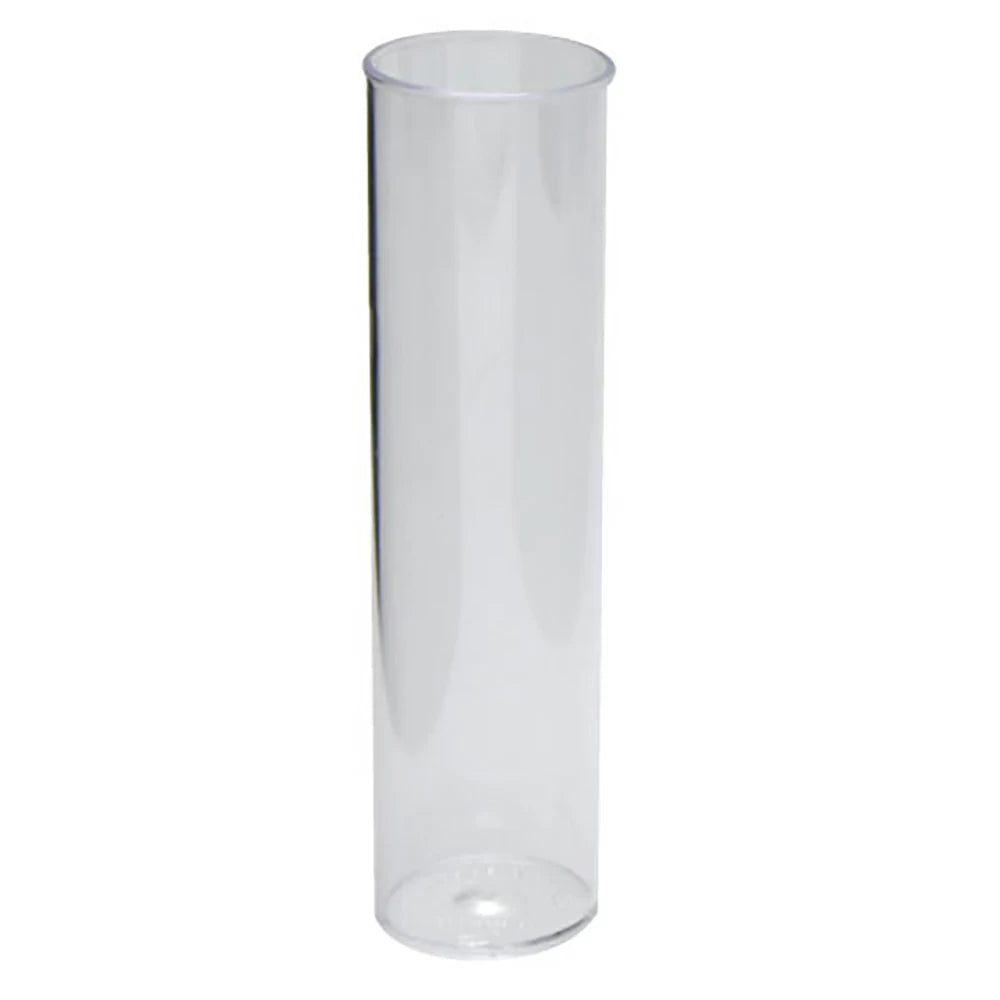
Genesee Scientific Narrow Drosophila Vials, 25 x 95 mm, Polypropylene
Genesee Scientific's narrow 25 x 95 mm polypropylene Drosophila vials are a best-in-class choice for routine insect transport because they balance low per-unit cost with lightweight, disposable convenience ideal for short-term shipments and field collection. Compared with glass alternatives they reduce breakage and shipping weight, and compared with generic centrifuge tubes they are sized and shaped specifically for drosophilids and other small insects, offering a cost-effective option when large numbers of vials are required.
Estimated$30 – $60
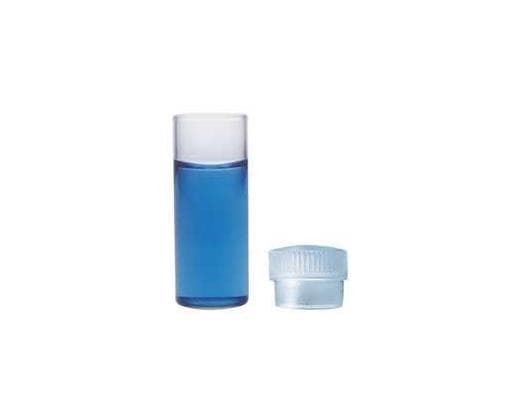
DWK Kimble Drosophila Vials, 25 x 95 mm, Borosilicate Glass
DWK Kimble's 25 x 95 mm borosilicate glass Drosophila vials lead the market for researchers who need chemical resistance, optical clarity and long-term reusability for repeated transport and culture work. Although they carry a higher upfront cost and greater shipping fragility than polypropylene options like Genesee or disposable conicals, their durability and sterilizability often deliver lower lifecycle cost for labs that prefer reusable glassware and need the inert properties glass provides.
Estimated$80 – $150
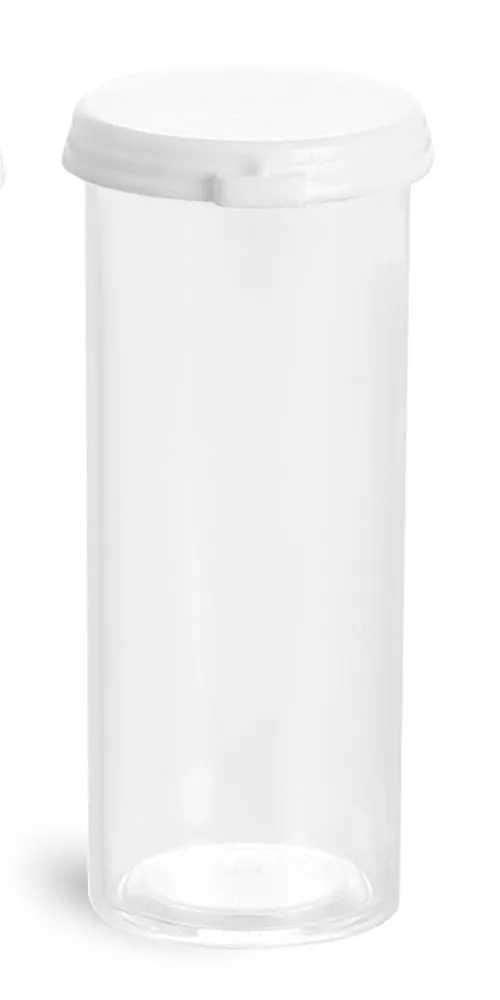
BioQuip Snap-Cap Vials, 2 Dram, Clear Polystyrene
BioQuip's 2-dram clear polystyrene snap-cap vials are a budget-friendly, lightweight option optimized for short-term insect transport and observation; their clarity makes field identification easy while low cost supports bulk purchasing for large surveys. Compared with the other products here they trade off long-term durability and ventilation (no dedicated ventilated cap) for affordability and visibility, making them ideal when many disposable vials are needed rather than reusable, sterile, or archival containers.
Estimated$10 – $25
Sarstedt 30 mL Universal Container with Ventilated Snap Cap
Sarstedt's 30 mL universal container with a ventilated snap cap is designed for live insect transport, providing controlled airflow that reduces stress and mortality compared with sealed snap-cap or screw-cap tubes. Technically suited to short-to-medium live sample holds, it commands a premium over basic polystyrene vials but offers a clear advantage over non-vented plastic options for behavioral or transport use where specimen respiration matters.

Estimated$18 – $35
Corning Falcon 50 mL Conical Centrifuge Tubes, Sterile Polypropylene
Corning Falcon 50 mL sterile polypropylene conical tubes combine robust, autoclavable construction and a secure screw-cap design that excels when sterility, chemical resistance, and leak-proof transport are priorities. Compared to snap-cap vials and ventilated containers, they are larger and more expensive but provide technical advantages for hazardous-preserved specimens, sterile sampling workflows, or situations requiring centrifugation or long-distance transport without contamination.
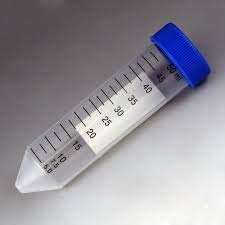
Thermo Scientific Nalgene Oak Ridge High-Strength PPCO Centrifuge Tubes, 50 mL
Thermo Scientific Nalgene Oak Ridge high-strength 50 mL PPCO centrifuge tubes are the market leader for demanding insect transport that requires robust mechanical strength, high-speed centrifugation capability and chemical resistance during longer shipments. Though more expensive than basic polypropylene tubes, their superior impact resistance and secure sealing make them the preferred technical choice for transporting delicate or valuable specimens where minimizing specimen loss and leakage risk outweighs the higher unit cost.
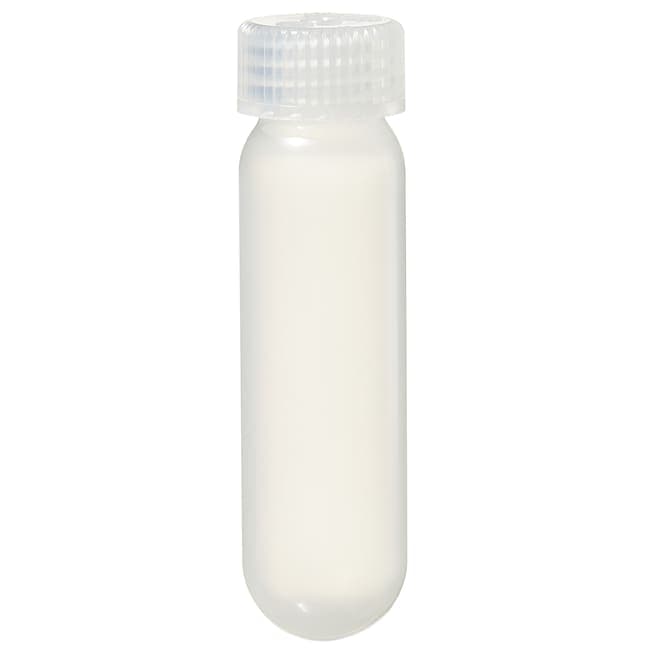
Estimated$70 – $150
Ward's Science Insect Killing and Storage Jars, Wide-Mouth Glass
Ward's wide-mouth glass killing and storage jars are tailored for archival specimen preparation and long-term storage, offering a stable, non-reactive medium ideal for chemical killing agents and mounting work; their wide mouths simplify handling, pinning, and archival labeling. While heavier and pricier than disposable plastic vials and unsuitable for live transport, they outperform plastic options in preservation quality and long-term specimen integrity, making them the go-to for museum and teaching collections.

We may earn a commission on purchases. It never affects our rankings.
Estimated$12 – $40
What research and guidelines say about transport vials and tubes
Scientific literature, museum and field collection best practices, and Canadian biosecurity guidelines converge on a few clear principles: controlled ventilation reduces condensation and associated microbial growth, mechanically robust materials protect specimens and handlers during extended transit, and single-use sterile options lower cross-contamination risk when required. These principles inform product design and procurement choices for entomologists, teachers, and citizen scientists.
Ventilation and gas exchange: Studies and field guides show that ventilated closures reduce humidity buildup and thermal stress, which lowers mortality and mold growth during transport of live or recently preserved insects.
Material selection: Comparative lab evaluations highlight polypropylene and PPCO for impact resistance and autoclave compatibility, polystyrene for optical clarity in short-term use, and borosilicate glass for long-term chemical resistance and archival storage.
Biosecurity and contamination control: Research into cross-contamination in specimen handling supports the use of sterile disposable tubes for diagnostic sampling and reusable, easily sterilized containers for routine collections.
Visibility and identification: Experiments and field reports emphasize that clear containers reduce handling time and disturbance, improving specimen welfare and preserving diagnostic features for later analysis.
Compliance guidance: Canadian institutional and provincial procurement guidelines recommend that transport containers meet applicable sterility, labeling, and mechanical specifications for the sample type and transport distance.
Frequently Asked Questions
Which vial should I buy for field Drosophila transport?
Choose Genesee Scientific Narrow Drosophila Vials, 25 x 95 mm, Polypropylene (rating 4.2): lightweight, shatter-resistant disposable convenience for short-term shipments and field collection.
Do DWK Kimble vials offer optical clarity for observation?
Yes—DWK Kimble Drosophila Vials, 25 x 95 mm, Borosilicate Glass (rating 4.6) use borosilicate glass for excellent optical clarity and chemical/heat resistance for repeated cleaning.
How do BioQuip 2-dram vials compare on value?
BioQuip Snap-Cap Vials, 2 Dram, Clear Polystyrene (rating 4.6) are positioned as a budget-friendly, lightweight option for short-term transport, with clear viewing for easy field identification.
Are these snap-cap vials better for quick sealing?
BioQuip Snap-Cap Vials, 2 Dram, Clear Polystyrene (rating 4.6) have a snap-cap closure for quick, single-handed sealing during field collection, suiting short-term transport of small insects.
Conclusion
This selection highlights clear, ventilated, and robust formats for insect transport across Canadian settings. For targeted fruit fly work, Genesee Scientific Narrow Drosophila Vials, 25 x 95 mm, Polypropylene offer a reliable, stackable field option. For archival or chemical-resistant requirements, DWK Kimble Drosophila Vials, 25 x 95 mm, Borosilicate Glass provide long-term stability. For short-term, high-clarity handling, BioQuip Snap-Cap Vials, 2 Dram, Clear Polystyrene are convenient and disposable. For balanced ventilation and field versatility, Sarstedt 30 mL Universal Container with Ventilated Snap Cap stands out as the best overall choice among these top products. For centrifuge-capable transport and sterile sampling, Corning Falcon 50 mL Conical Centrifuge Tubes, Sterile Polypropylene and Thermo Scientific Nalgene Oak Ridge High-Strength PPCO Centrifuge Tubes, 50 mL offer rugged, lab-grade performance. For classic museum-style storage and killing jars, Ward's Science Insect Killing and Storage Jars, Wide-Mouth Glass are dependable. We hope you found what you were looking for; refine or expand your search using the site search to focus on ventilation, material, size, sterility, or autoclave compatibility to match your exact use case.