

Top 5 Aquatic Micro Prey Options for Amphibian Feeding in Canada — 2025 Expert Guide to Daphnia, Brine Shrimp & Cyclops (What Breeders Know That New Owners Often Miss)
Small aquatic organisms including daphnia, brine shrimp, and cyclops are essential micro prey used to feed tadpoles and small aquatic amphibians. Available live, frozen, or freeze-dried, these planktonic foods provide size-appropriate nutrition and natural feeding stimulation for captive larvae and juvenile amphibians. In Canadian markets, consumer choice is driven by a mix of priorities: nutritional completeness and life-stage suitability, convenience and storage (frozen vs freeze-dried vs live), biosecurity and contamination risk, seasonal availability and shipping constraints across provinces, and ethical sourcing. Hobbyists, breeders, rescue programs, and educational facilities prefer products that balance proven nutrition, reliable delivery in colder regions, and ease of use—making micro prey a practical, high-impact component of responsible amphibian husbandry in Canada.
Inception's AI took the time to understand this market in Canada · · How we pickWe may earn a commission on purchases. It never affects our rankings.
Top Picks Summary
Hikari Bio-Pure Frozen Brine Shrimp
Hikari Bio-Pure Frozen Brine Shrimp earns a best-in-class spot for amphibian micro prey because its frozen-processing and quality control emphasize low pathogen risk and consistent nauplii size, giving predictable nutrition and feeding responses compared with raw live sources. Compared with freeze-dried and live options on this list, Hikari’s frozen format balances freshness and ease of use while often offering better cost-per-feed than specialty frozen copepods or continuously produced live nauplii.

Estimated$6 – $12
Omega One Freeze-Dried Brine Shrimp
Omega One Freeze-Dried Brine Shrimp is a market-leading convenience option valued for shelf stability and minimal prep, making it attractive for hobbyists who need quick, low-waste feeding solutions for amphibians. While it sacrifices some of the hydration and live-movement stimulus provided by frozen or live products, its long shelf life and simple dosing typically make it more economical for casual keepers than regularly purchasing live cultures or deep-frozen specialty prey.

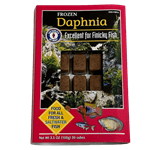
San Francisco Bay Brand Frozen Daphnia
San Francisco Bay Brand Frozen Daphnia stands out for amphibian feeding because daphnia are a freshwater microprey that closely match many amphibian larvae diets, offering good gut-content and fiber that brine shrimp lack. Frozen daphnia combine species-appropriate nutrition with the cleanliness of commercial processing, and compared with freeze-dried brine shrimp and live nauplii, they offer a middle ground of natural feeding cues and easier storage without the logistics of hatching live cultures.
Estimated$7 – $16
Aqua Excellence Live Baby Brine Shrimp
Aqua Excellence Live Baby Brine Shrimp is the top choice when feeding response and maximum nutritional freshness matter, since newly hatched live nauplii provide strong movement cues and intact lipid profiles that frozen or dried forms cannot fully replicate. The trade-off is higher handling and short shelf life—live nauplii typically cost more operationally than frozen or freeze-dried products but can substantially improve feeding uptake in picky or high-performance amphibians.

Estimated$12 – $25
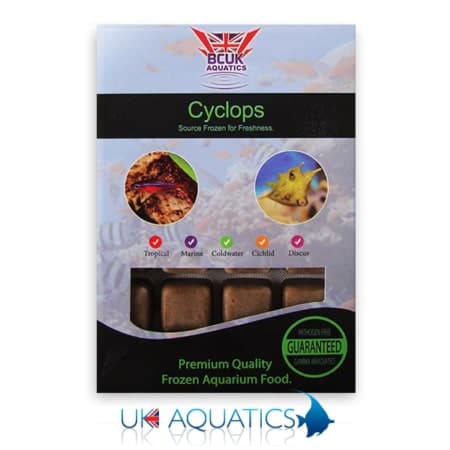
Canadian Aquatics Frozen Cyclops
Canadian Aquatics Frozen Cyclops offers a specialty microprey option prized for copepod nutrition and size diversity, supplying fatty acids and natural prey types that better mimic some wild amphibian diets than plain brine shrimp. Although usually pricier than common brine shrimp products and requiring freezer storage like other frozen items on this list, frozen cyclops provide a technical advantage for keepers seeking richer, behaviorally appropriate prey for medium-sized larvae and juveniles.
Estimated$8 – $18
What research says about micro-prey and amphibian diets
Scientific studies and husbandry reports consistently show that appropriately sized aquatic micro prey support growth, survival, and natural feeding behaviors in tadpoles and small aquatic amphibians. While species-specific needs vary, the research highlights consistent benefits of live or well-preserved frozen prey, the importance of nutritional enrichment where needed, and tradeoffs between convenience and nutrient retention across live, frozen, and freeze-dried forms.
Size matters: Studies demonstrate that prey size matching larval mouth gape improves feeding efficiency, growth rate, and survival compared with inappropriately large or uniform diets.
Live prey benefits: Live daphnia and baby brine shrimp stimulate natural hunting and prey-capture behaviors, which can improve appetite and digestive development.
Nutrient content and enrichment: Brine shrimp and copepods are effective protein sources; enrichment protocols (HUFA and carotenoid enrichment) increase essential fatty acids and improve coloration and immune function in many amphibian species.
Frozen versus freeze-dried: Frozen products generally retain moisture and more heat-sensitive nutrients than freeze-dried forms, while freeze-dried options offer convenience and long shelf life but may require rehydration to restore palatability and texture.
Biosecurity and contamination: Peer-reviewed reports and husbandry guidelines emphasize sourcing from reputable suppliers and proper thawing/handling to minimize pathogen transfer and water quality issues.
Conservation and captive rearing: Conservation breeding programs often rely on a mix of cultured daphnia, enriched brine shrimp, and copepods to match wild diets and optimize rearing success for sensitive species.
Conclusion
In the Canadian context, micro prey remain a top choice for owners and professionals who need small, nutritious food for tadpoles and small aquatic amphibians. This page highlights five reliable options available to Canadian buyers in 2025: Hikari Bio-Pure Frozen Brine Shrimp, Omega One Freeze-Dried Brine Shrimp, San Francisco Bay Brand Frozen Daphnia, Aqua Excellence Live Baby Brine Shrimp, and Canadian Aquatics Frozen Cyclops. For most hobbyists seeking a balance of nutrition, convenience, and consistent availability across Canada, Hikari Bio-Pure Frozen Brine Shrimp stands out as the best choice among these main products because of its processed quality and wide use in amphibian husbandry. We hope you found what you were looking for — if not, refine or expand your search above to filter by life stage, format (live, frozen, freeze-dried), or shipping region.