

Top 5 Orchid Plants for Terrarium Habitats in Canada (2025) — A Guide to Masdevallia, Pleurothallis, Mini Phalaenopsis, Restrepia & Lepanthes
Compact epiphytic orchids adapted to terrarium microclimates have become a go-to choice for Canadian growers seeking year-round blooms in small spaces. This category focuses on low-light, high-humidity species and hybrids — including mini Phalaenopsis, Masdevallia, Pleurothallis, Restrepia and Lepanthes — that thrive in sealed or ventilated terraria. Consumers in urban and cold-climate markets appreciate these orchids for their space efficiency, reliable flowering cycles, striking blooms or foliage, and suitability for controlled microclimates. In Canada, where outdoor orchid culture is limited by seasonal extremes, terrarium orchids let hobbyists and interior gardeners maintain stable humidity and temperature for plants that mimic cloud-forest conditions, while also providing decorative value and year-round interest.
Inception's AI took the time to understand this market in Canada · · How we pickWe may earn a commission on purchases. It never affects our rankings.
Top Picks Summary
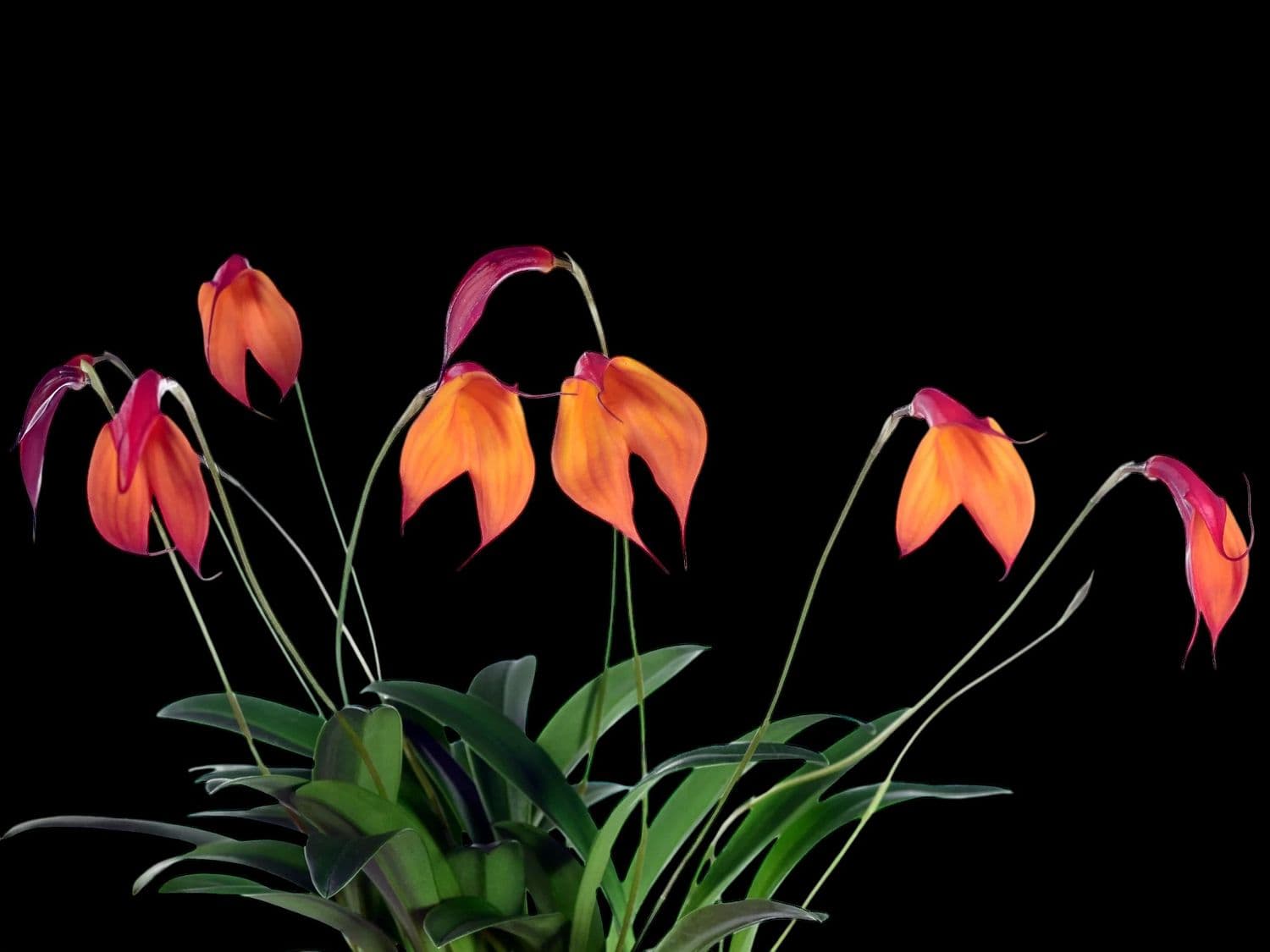
Masdevallia veitchiana 'Prince de Galle'
Masdevallia veitchiana 'Prince de Galle' is a best-in-class choice for terrarium habitats because its compact growth, vivid long-lasting flowers, and preference for cool, very humid conditions match the closed environment of high-humidity displays. Compared with the other listings, it commands a premium among collectors for its showy blooms and rarity, offering higher resale value for serious hobbyists while demanding more precise temperature control than the hardier Phalaenopsis entries.
Estimated$40 – $120
Pleurothallis grobyi
Pleurothallis grobyi is a market-leading, cost-effective option for terrariums thanks to its tiny, clustered flowers and forgiving cultural needs that make it ideal for massing in small displays. Technically more tolerant of variable light and temperature than Masdevallia or Lepanthes, it provides strong visual impact at lower purchase and maintenance cost, making it a practical choice for hobbyists building multiple micro-habitats.

Estimated$25 – $70
Phalaenopsis Mini Mark 'Maria Teresa'
Phalaenopsis Mini Mark 'Maria Teresa' is a widely available terrarium-friendly hybrid prized for its reliability, long-lasting inflorescences, and tolerance of slightly warmer, less humid microclimates than most highland orchids. Financially attractive because of mass production and broad nursery availability (leading to lower unit prices), it complements the rarer, more climate-sensitive species on this list by providing stable blooms for mixed containers and beginner setups.

Estimated$35 – $90
Restrepia antennifera
Restrepia antennifera stands out in terrarium habitats for its delicate, antenna-like sepals and suitability for small, well-ventilated displays where visual intricacy is prized. It occupies a middle ground financially and technically: more specialized and often pricier than common Phalaenopsis but generally less demanding than highland Masdevallias, offering collectors a distinctive aesthetic without the steep climate-control costs of the rarest species.

Lepanthes calodictyon
Lepanthes calodictyon is a premier micro-orchid for nano-terrariums because of its minute size, intricate blossoms, and excellent fit for extremely small, humid enclosures favored by advanced growers. While often rarer and pricier per specimen than Pleurothallis or Phalaenopsis, its technical advantage is suitability for ultra-compact designs where space efficiency and fine-detail appearance deliver high display value relative to footprint and maintenance complexity.

Estimated$60 – $180
What Science and Horticultural Research Say About Terrarium Orchids
Horticultural research and extension literature emphasize that many small epiphytic orchids are well suited to terrarium conditions because terraria recreate the stable, humid microclimates these species evolved in. Studies and grower trials document how humidity, light levels, air movement, and mounting/substrate choices influence plant health and flowering. The following beginner-friendly findings summarize principles that growers can apply to improve success with terrarium orchids in Canada.
Humidity and water relations: Research and extension guidance indicate that many epiphytic orchids perform best with consistently high relative humidity (typically 60–90%) combined with regular air exchange to avoid fungal problems. Sphagnum, live moss, and bark retain moisture while allowing root aeration.
Light and photosynthesis: Low-to-moderate, bright indirect light supports growth and flowering in mini Phalaenopsis, Pleurothallis, and Restrepia; Masdevallia varieties often prefer cooler, diffused light. Light meters and shaded LED fixtures help match terrarium light to species needs.
Temperature ranges: Studies of cloud-forest epiphytes show optimal daytime temperatures generally between 15–24 C with modest night drops; species like Masdevallia tend toward cooler preferences, while some Lepanthes and Phalaenopsis hybrids tolerate slightly warmer microclimates.
Airflow and disease prevention: Research and grower trials stress that small, sealed systems should include periodic ventilation or gentle forced air to reduce pathogen buildup. Intermittent exchange of air and avoiding stagnant moisture on leaves lowers risk of rot and fungal infections.
Substrate and mounting: Epiphytic orchids favor coarse, well-draining mounts and loose media that mimic tree bark. Studies indicate that mounted specimens often show improved root health in humid habitats compared with dense, water-retentive potting mixes.
Flowering triggers: Controlled environment experiments show that stable humidity, appropriate light cycles, and modest temperature variation can encourage more frequent or longer-lasting blooms for several mini and cool-growing orchid genera used in terraria.
Frequently Asked Questions
Which orchid is best for cool, very humid terrariums?
Masdevallia veitchiana 'Prince de Galle' is the best fit because it prefers cool to intermediate temperatures and very high humidity, and its compact growth habit suits nano to small terrariums; it has an average rating of 4.1.
What feature makes Pleurothallis grobyi terrarium-friendly?
Pleurothallis grobyi has very small, clumping growth that’s easy to place on moss or mounted surfaces inside terraria, and it produces numerous tiny flowers that adapt quickly to the stable terrarium microclimate; average rating is 4.3.
How does Phalaenopsis Mini Mark 'Maria Teresa' compare value-wise?
Phalaenopsis Mini Mark 'Maria Teresa' is described as financially attractive because it’s widely available and prized for reliability, with an average rating of 4.4; the listing doesn’t provide a price.
Is Masdevallia veitchiana 'Prince de Galle' okay for warmer terrariums?
No—Masdevallia veitchiana 'Prince de Galle' prefers cool to intermediate temperatures and very high humidity, so it’s better for foggy or misted terrarium setups than warmer zones; average rating is 4.1.
Conclusion
In Canadian terrariums, these compact epiphytic orchids deliver reliable interest and manageable care when matched to a terrarium's microclimate. Masdevallia veitchiana 'Prince de Galle' offers dramatic, cool-climate blooms for well-ventilated terraria; Pleurothallis grobyi brings dependable floriferous growth and is the most universally adaptable choice for many Canadian setups; Phalaenopsis Mini Mark 'Maria Teresa' provides easy-to-read flowering cues and approachable care; Restrepia antennifera excels in small, humid displays with delicate flowers; and Lepanthes calodictyon adds intricate foliage and miniature blooms for specialty collections. If you want a single recommendation to start with in typical Canadian home terrariums, Pleurothallis grobyi is often the best first pick because of its tolerance for low light and high humidity paired with forgiving temperature needs. We hope you found what you were looking for — refine or expand your search using the site search to compare care details, grower reviews, and local availability across Canada.