

Top 5 Heating, Lighting & UV Options in Canada for 2025: Guide to Energy-Smart, Species-Specific Heaters, LEDs, and UVB Fixtures
This category covers the top heating, lighting, and UV solutions for captive environments in Canada in 2025, including heat sources, ceramic heaters, heat mats, LED and fluorescent lighting, and UVB fixtures with fixtures and bulbs optimized for species-specific thermal gradients and modern energy-efficient designs. Canadian buyers choose these systems for precise temperature control, reliable UV output for reptile health, energy savings in colder climates, and the ability to create safe microclimates for plants, reptiles, amphibians, and other temperature-sensitive species. Key consumer preferences driving purchases are safety certifications, durable materials that withstand humid or enclosed habitats, programmable or thermostatted control for accurate gradients, and verified UVB output for species that require vitamin D synthesis. Availability of energy rebates, local service support, and brand reputation also influence decisions across provinces.
Inception's AI took the time to understand this market in Canada · · How we pickWe may earn a commission on purchases. It never affects our rankings.
Top Picks Summary
Aiicioo Reptile Heat Lamp Ceramic Heat Emitter 60W
Aiicioo's 60W Ceramic Heat Emitter is ideal for small to medium reptile and amphibian enclosures, delivering gentle nocturnal infrared heat without visible light. Its lower wattage offers energy savings and a softer thermal gradient compared with higher-output emitters like the Tikaton 100W, making it a best-in-class budget option for species that need modest background warmth. For keepers prioritizing economical run costs and precise low-heat control, the Aiicioo balances affordability with reliable ceramic heating performance.
Show More Ceramic Heat Emitters for Reptiles and Amphibians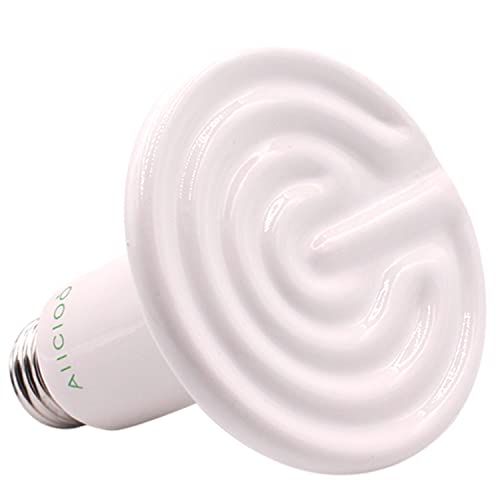
The iPower heat pad is the budget-minded contender that delivers acceptable performance at a lower upfront cost, making it attractive for temporary enclosures, hobbyists on tight budgets, or large setups needing multiple pads. It doesn’t offer the same longevity or refined temperature control as higher-end brands, but its financial advantage is clear: you can outfit several tanks for the price of a single premium mat, then upgrade selectively where tighter control is required.
Show More Heat Mats and Under Tank Heaters for Reptiles and Amphibians
Estimated$20 – $40
Vivarium Electronics Radiant Heat Panel
Vivarium Electronics' radiant panel is the technical leader on this list, offering tight temperature regulation, advanced controller compatibility, and premium build quality designed for sensitive species and professional setups. The higher purchase price is offset by superior thermostat integration and long-term energy savings through precise output control, making it the best option when accuracy and stability are paramount. Compared to ProProducts and Reptile Basics, Vivarium trades a higher upfront cost for greater control and better suitability for delicate reptile and amphibian husbandry.
Show More Basking Lights and Heat Lamps for Reptiles and Amphibians
Century 7 Day Heavy Duty Digital Programmable Timer Outlet
A versatile 7-day digital timer favored for reptile and amphibian lighting because it combines flexible multi-event scheduling with a heavy-duty rating suitable for UVB and heat lamps. It stands out against simpler or mechanical options on this list by offering advanced weekly programming and battery-backed memory, making it a good technical and cost-effective choice for keepers who need customized day/night cycles. Compared with specialist products like the Zoo Med unit, BN-LINK gives more granular control at a similar or lower price point for hobbyists who want fine scheduling.
Show More Radiant Heat Panels for Reptiles and Amphibians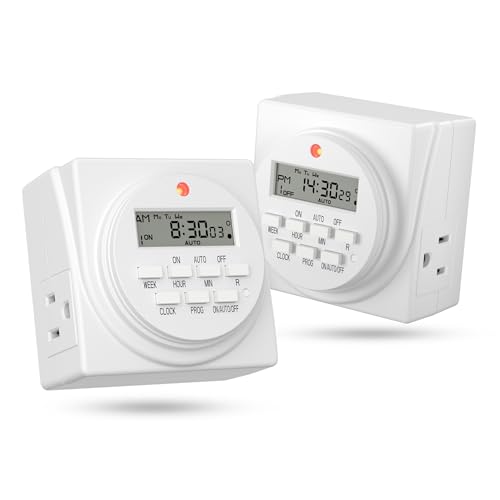
Exo Terra Reptile UVB 150 Compact Fluorescent 13W
The Exo Terra Reptile UVB 150 is the brand's high-output compact option, engineered to provide greater UVB flux from the same 13W form factor for reptiles and amphibians that require stronger exposure. Its technical advantage is delivering higher localized UVB without moving to a larger fixture, making it a compact solution that rivals the wattage-driven intensity of Zoo Med's 26W units while remaining more space-efficient and often cheaper to install in smaller setups.
Show More General Lighting Fixtures and Bulbs for Reptiles and Amphibians
Estimated$22 – $34
What Research and Guidelines Say About Heating, Lighting, and UV
A growing body of research and regulatory guidance supports species-specific heating and UV strategies and the adoption of energy-efficient lighting. Scientific studies and professional guidelines emphasize the importance of thermal gradients for animal thermoregulation, verified UVB for calcium metabolism and bone health in reptiles, and the advantages of modern LED systems for stable light spectra, lower energy consumption, and reduced heat where appropriate. Canadian energy programs and electrical safety standards further inform product selection and installation best practices.
Thermal gradients: Peer-reviewed research shows that allowing animals to behaviorally thermoregulate across a calibrated gradient improves digestion, immune response, and natural behavior. Practical takeaway: combine overhead radiant sources and under-tank heating where appropriate and use thermostats to set safe maximums.
UVB and vitamin D synthesis: Studies demonstrate that naturalistic UVB exposure supports vitamin D3 production and calcium absorption in many reptiles and some amphibians. Practical takeaway: choose UVB fixtures with measured output profiles matched to the species and replace bulbs per manufacturer timelines.
LED versus fluorescent lighting: Comparative analyses indicate LEDs deliver similar or superior photosynthetic and visual spectra with lower power consumption and longer lifespans than fluorescent options. Practical takeaway: for plant growth or full-spectrum needs, high-CRI and appropriately spectrummed LEDs often provide better efficiency and lower heat load.
Ceramic heaters and radiant heat: Research and field reports highlight ceramic heat emitters for providing infrared radiant heat without visible light, which helps preserve nocturnal behaviors while maintaining basking temperatures. Practical takeaway: pair ceramic emitters with reliable sockets and thermal protection.
Heat mats and localized warming: Controlled studies and husbandry guides show heat mats are effective for localized belly heat needed by some species, but require thermostatic control and monitoring to avoid hotspots. Practical takeaway: always use an external thermostat and separate temperature probe.
Energy and safety guidance: Canadian standards, provincial codes, and recommendations from veterinary and husbandry organizations stress CSA or equivalent electrical approvals and adherence to mounting and ventilation requirements. Practical takeaway: select certified products and follow installation recommendations to reduce fire risk and ensure consistent performance.
Frequently Asked Questions
Which heater should I buy for larger reptile enclosures?
The Simple Deluxe Ceramic Heat Emitter 150W (4.1 rating, $15.65 CAD) is a good pick for larger or more heavily stocked enclosures because it’s a 150W ceramic emitter built for deeper radiant heat without visible light.
Does the Exo Terra Heat Wave Desert mat spread heat evenly?
Yes—the Exo Terra Heat Wave Desert Medium at $62.95 CAD uses a silicone-jacketed pad to provide steady, even heat distribution across the mat surface, and it’s designed for a warm basking zone.
Is the Zoo Med 75W night infrared lamp good value?
At $23.69 CAD, the Zoo Med Nocturnal Infrared Heat Lamp 75W (4.2 rating) delivers nighttime heating with a 75W infrared bulb that produces long-wave infrared without visible light.
Is the Zoo Med 75W lamp suitable for nocturnal species?
Yes—the Zoo Med Nocturnal Infrared Heat Lamp 75W (4.2 rating, $23.69 CAD) is made for nighttime heat without visible light, helping keep nocturnal species comfortable without disrupting a day–night cycle.
Conclusion
In Canada for 2025, choosing the right mix of heat sources, lighting, and UV depends on your species, enclosure size, local climate, and priorities around energy efficiency and safety. We hope this guide helped you find the direction you needed. Use the search or filters to refine by species, fixture type, energy rating, or provincial availability to expand or narrow your options.