

Top 5 Vet-Recommended Medicated & Antibacterial Skin Treatments in Canada (2025): Trusted Options for Infections, Hot Spots, and Fungal Dermatitis
Topical medicated treatments and antibacterial washes are frontline tools for managing infections, hot spots, fungal conditions, and dermatitis in small animals. This category covers antiseptic rinses, antifungal shampoos, enzymatic spot sprays, and vet-recommended targeted sprays that are formulated to reduce microbial load, soothe inflamed skin, and support barrier repair. In Canada, buyers prioritize products that combine clinical evidence with ease of application, clear dosing guidance, and availability without complex prescriptions. Pet owners look for trusted active ingredients such as chlorhexidine, miconazole, and enzymatic formulations that are proven to control bacteria and yeast while minimizing systemic side effects. Practical factors that drive selection include veterinarian endorsement, product safety for species and age, fragrance and residue, cost and pack sizes, and clear labelling for treatment duration. These preferences shape a market where clinically backed, easy-to-use topical options outperform generic washes that lack targeted antimicrobial or antifungal properties.
Inception's AI took the time to understand this market in Canada · We may earn a commission on purchases. It never affects our rankings.
Top Picks Summary
Douxo S3 PYO Antiseptic Antifungal Shampoo
Douxo S3 PYO is positioned as a prescription-strength, barrier-supporting antiseptic and antifungal shampoo that combines broad antimicrobial actives with skin-restoring ingredients to reduce recurrence. It stands out against simpler antiseptic washes by pairing clinical-level pathogen control with phytosphingosine-based skin barrier support, making it a go-to premium choice for veterinarians despite a higher price point. Compared with other products on this list, Douxo emphasizes both antimicrobial efficacy and long-term skin health, which can reduce repeat treatments and associated costs over time.
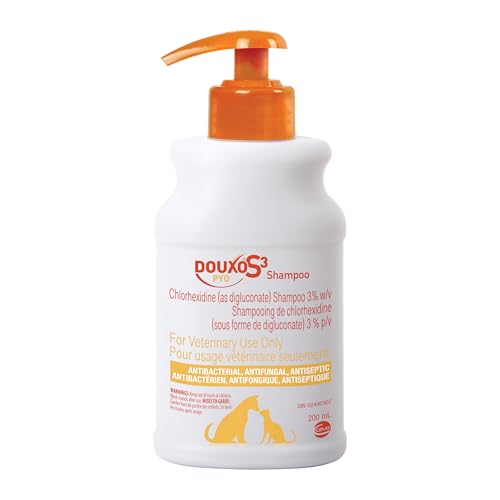
Where to buy Douxo S3 PYO Antiseptic Antifungal Shampoo in Canada: the trusted retailers we track in this market, with the best price we have observed at each. Prices are checked regularly and can change, and the retailer confirms the final price at checkout.
Product prices and availability are accurate as of the date and time indicated and are subject to change. Any price and availability information displayed on Amazon at the time of purchase will apply to the purchase of this product.
We may earn a commission on purchases. It never affects our rankings.
$46.99CAD
Malaseb Medicated Shampoo
Malaseb is a long-established medicated shampoo combining chlorhexidine and an imidazole antifungal, favored for reliably tackling both bacterial and yeast infections at a cost-effective price point. Its straightforward, potent antiseptic/antifungal formulation makes it a practical clinic staple for heavy-duty cleansing when compared with barrier-focused or OTC spray options. For practices seeking an economical, proven option for short-course washes, Malaseb often delivers clinical results with predictable dosing and inventory simplicity.

Where to buy Malaseb Medicated Shampoo in Canada: the trusted retailers we track in this market, with the best price we have observed at each. Prices are checked regularly and can change, and the retailer confirms the final price at checkout.
We may earn a commission on purchases. It never affects our rankings.
$38.00CAD
Veterinary Formula Clinical Care Antiseptic & Antifungal Spray
Veterinary Formula Clinical Care offers a consumer-oriented antiseptic and antifungal spray that prioritizes ease of use, spot treatment and affordability for pet owners. While it generally has lower active concentrations than prescription shampoos, its spray format and retail availability make it a convenient first-line or adjunct option for minor localized lesions and home care. Compared with prescription shampoos like Douxo or Malaseb, this product trades some potency for accessibility and lower upfront cost, which can improve adherence and reduce clinic visits for mild cases.

Zymox Topical Spray with Hydrocortisone
Zymox Topical Spray leverages a proprietary enzyme-based antimicrobial system combined with hydrocortisone to deliver both antimicrobial activity and fast anti-inflammatory relief without relying solely on traditional antibiotics. This dual-action, non-antibiotic approach makes Zymox attractive for cases where inflammation control is a priority and when minimizing antibiotic exposure is desirable, positioning it as a clinically differentiated—if premium-priced—option. Compared to standard chlorhexidine/miconazole treatments, Zymox’s enzymatic technology and steroid adjunct often provide quicker symptomatic relief, which can reduce ancillary medication costs and improve patient comfort.
Curaseb Chlorhexidine 4% Shampoo
Curaseb Chlorhexidine 4% Shampoo is a high-concentration antiseptic wash aimed at aggressive microbial control, offering a straightforward, vet-preferred option for heavy colonization and acute infections. Its relatively high chlorhexidine level provides strong biocidal activity and is often a cost-efficient choice when intense decontamination is required, though it may necessitate careful use to avoid over-drying the skin compared with gentler barrier-focused products. In comparison to enzyme-based or lower-concentration products, Curaseb provides a powerful, no-frills antiseptic solution that can shorten treatment courses and reduce overall antimicrobial product use in severe cases.
What Research Says About Antibacterial and Antifungal Topicals
Clinical and laboratory studies support the effectiveness of topical antiseptics and antifungal agents for many common skin problems in dogs and other small animals. Research shows that antiseptic washes reduce surface bacterial counts quickly, while antifungal agents target Malassezia and dermatophytes. Combination formulations often provide broader coverage and faster visible improvement. Topical treatments are commonly used as first-line or adjunctive therapy to systemic drugs, lowering the need for prolonged oral antibiotics in many cases. For pet owners, this means safer, targeted care with fewer systemic side effects when products are used according to veterinary guidance.
Chlorhexidine-based shampoos and rinses have repeatedly demonstrated significant reductions in bacterial populations on canine skin and are widely cited in veterinary dermatology literature for managing pyoderma.
Azole antifungals such as miconazole and ketoconazole show reliable activity against Malassezia species and certain dermatophytes when applied as directed.
Combination products that pair chlorhexidine with an antifungal agent often produce faster clinical improvement than single-ingredient washes in mixed bacterial and yeast infections.
Enzymatic topical therapies, like those containing natural enzymes, have clinical reports and trials showing reduction of inflammation and microbial burden in some cases, and may be useful when steroids or systemic drugs are contraindicated.
Topical hydrocortisone formulations can rapidly reduce itching and inflammation but are generally recommended for short-term use and under guidance to avoid masking underlying infection.
Topical antiseptics reduce selective pressure for systemic antibiotic resistance when they can adequately control superficial infections, but prudent use and veterinary oversight remain important.
Species-specific safety is critical: many topical ingredients are safe for dogs but require dosing checks or alternatives for cats, puppies, or animals with compromised skin barriers.
Frequently Asked Questions
Which shampoo should I pick for Malassezia itch recurrence?
Douxo S3 PYO Antiseptic Antifungal Shampoo is a good choice for dogs and cats with recurring Malassezia and Staphylococcus issues, since it contains octenidine and Ophytrium plus skin-barrier supporting ingredients; it has an average rating of 4.6.
What actives does Malaseb Medicated Shampoo contain?
Malaseb Medicated Shampoo contains chlorhexidine and miconazole to target both bacterial and fungal infections linked to seborrhea; it’s a therapeutic shampoo meant to remove scales, reduce greasiness, and control odor, with an average rating of 4.4.
How does Douxo S3 PYO price compare to Malaseb?
Douxo S3 PYO Antiseptic Antifungal Shampoo costs $44.99 CADwhile Malaseb Medicated Shampoo is listed without a price here; Douxo’s listing includes a prescription-strength, barrier-supporting antiseptic and antifungal approach.
Is Veterinary Formula Clinical Care spray good for hotspots?
Veterinary Formula Clinical Care Antiseptic & Antifungal Spray is designed for ready-to-use spot treatment of localized skin lesions and hotspots using a spray format for hard-to-reach areas, with an average rating of 4; warranty duration isn’t provided.
Conclusion
In the Canadian context, these medicated and antibacterial skin treatments provide practical, vet-endorsed choices for managing common dermatologic issues in small animals. The products reviewed here include Douxo S3 PYO Antiseptic Antifungal Shampoo, Malaseb Medicated Shampoo, Veterinary Formula Clinical Care Antiseptic & Antifungal Spray, Zymox Topical Spray with Hydrocortisone, and Curaseb Chlorhexidine 4% Shampoo. For combined antiseptic and antifungal performance and broad clinical utility, Douxo S3 PYO Antiseptic Antifungal Shampoo stands out as the best overall choice for many routine cases, while Malaseb and Curaseb are strong antiseptic and antifungal options, Veterinary Formula Clinical Care provides convenient spot-treatment spray formats, and Zymox is a helpful enzymatic alternative when steroid-sparing relief is needed. We hope you found what you were looking for; you can refine or expand your search by condition, pet type, active ingredient, or treatment format using the site search.