Top 5 Best Residential Solar Panels in Canada 2026 - Powerful Picks for Clean Home Energy
Published on Thursday, January 1, 2026
Quick answer: for most Canadian homes in 2026, Canadian Solar is the best-balanced pick, Silfab Solar is the one to buy if you want Ontario-built panels and the longest warranty here (25-year product, 30-year performance), and Jinko Solar or VSUN cut the upfront cost per watt. Residential solar panels generate clean, cost-saving electricity for homes by converting sunlight into usable power. In Canada, homeowners choose solar for lower electricity bills, energy independence, reduced carbon footprint, and to take advantage of provincial incentives and net metering programs. Popular panel types include monocrystalline, polycrystalline, thin-film, and bifacial modules; consumers typically prioritize efficiency, temperature coefficient (performance in cold and hot climates), warranty length, aesthetic appearance, and proven long-term durability. In the Canadian market, additional preferences include strong low-light and snow-shedding performance, reliable cold-climate operation, local service and warranties, and panels that pair well with battery storage and heat-pump systems. Installation basics — roof vs ground mount, tilt and orientation, permitting and interconnection, and inverter choice (string, microinverter, or hybrid) — also shape buying decisions and real-world savings.
Top Picks Summary
Canadian Solar
Canadian Solar is a best-in-class choice for residential solar because it balances strong bankability, conservative degradation rates and competitive pricing across large-volume PERC and bifacial lines. For homeowners it delivers reliable energy yield and broad warranty backing, offering a middle ground between premium North-American options like Silfab and lowest-cost volume players such as Jinko and VSUN.

Silfab Solar
Silfab Solar is a market leader for North American-made residential panels, prized for high per-panel efficiency, tight quality control and local manufacturing that reduces logistics, tariffs and lead times. While its modules typically cost more than Asia-sourced brands, Silfab's higher efficiency and lower field-failure rates can reduce BOS and O&M costs over the system life compared with lower-priced alternatives like Jinko or VSUN.

$340 – $460
QCells
QCells stands out for residential use by pairing proven cell technologies (Q.ANTUM) with strong temperature coefficients and robust product/performance warranties, which translate into higher annual yields in hot or low-light conditions. It positions itself between premium domestic manufacturers and commodity suppliers, offering better bankability and long-term performance guarantees than many value brands while remaining more affordable than some locally produced premium panels.
$300 – $420
Jinko Solar
Jinko Solar is the global volume leader and a top pick for budget-conscious residential installations because it delivers high-efficiency modules at a very competitive $/W, lowering upfront capital required for rooftop systems. Compared with QCells and Silfab it often undercuts price while matching many technical specs, though homeowners may trade a bit of perceived bankability and local support for that lower cost.
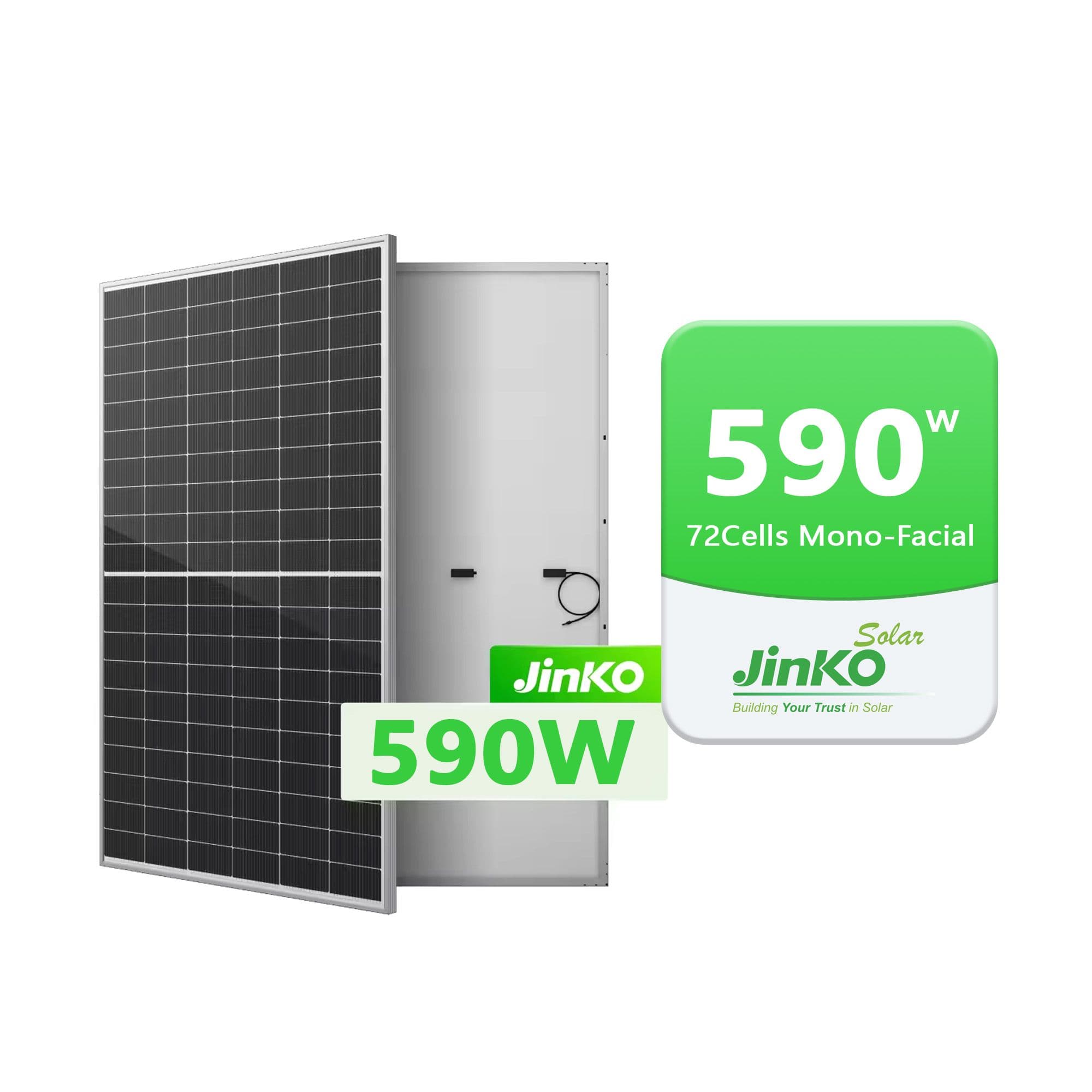
$190 – $310
VSUN
VSUN is a value-oriented residential panel brand that competes on price by leveraging efficient manufacturing to offer solid-performing modules for cost-sensitive homeowners and installers. It provides an attractive low-entry cost alternative to premium names like Silfab and QCells, but typically comes with less-established global bankability and fewer localized service options than the market leaders.

$160 – $260
Learn: Research and Evidence Behind Residential Solar Benefits
A growing body of research shows residential solar reliably reduces household emissions and energy costs, with modern panels offering improved efficiency and longer useful life. Studies and government analyses highlight faster cost recovery in regions with supportive incentives or high electricity rates, and newer module technologies show lower degradation and better performance in variable light and cold climates. For beginners, the main takeaways are: solar works in most Canadian regions, panel quality and installation matter for long-term performance, and pairing solar with energy efficiency or storage maximizes benefits.
Cost trends: Installed solar system costs have fallen substantially in the past decade, improving payback periods for many Canadian households.
Efficiency and durability: High-efficiency monocrystalline panels commonly offer lower degradation rates (often around 0.3-0.7% per year for premium models), backed by lab testing and manufacturer warranties.
Cold-climate performance: Research and field data show many panels maintain strong output in cold, clear conditions and some bifacial designs can gain energy from reflected snow.
Environmental impact: Solar electricity displaces grid electricity and reduces greenhouse gas emissions; lifecycle assessments indicate significant carbon savings over a panel's lifetime compared with fossil-fuel power.
Incentives and policy effects: Net metering and provincial rebates now carry the economics. The federal Canada Greener Homes Grant closed to new applications in 2024 and the Canada Greener Homes Loan stopped taking applications on October 1, 2025; the Greener Homes Affordability Program that replaced them is a direct-install program aimed at lower-income households rather than a general rebate. Build 2026 payback math on your province's program and your local electricity rate.
Frequently Asked Questions
Which residential solar panel brand should I choose for my home in Canada?
Canadian Solar ranks first here for balanced value: conservative degradation, a 25-year linear performance warranty, and mid-range pricing. Pick Silfab Solar instead if you want panels built in Mississauga, Ontario and the longest coverage on this list (25-year product plus 30-year linear performance warranty). Jinko Solar and VSUN are the choices when the lowest cost per watt matters most.
What warranty and cell technology does Canadian Solar use for long-term output?
A 25-year linear performance warranty. Its residential lines use Mono PERC or N-type TOPCon cells (HiKu6 / TOPHiKu6 series) with positive power tolerance, so modules ship at or above their rated wattage rather than below it.
How does Silfab Solar's price compare to Canadian Solar?
Silfab sits above Canadian Solar. On this page Silfab modules fall in roughly the $299.00 CAD-$299.00 CAD band per panel against $299.00 CAD-$299.00 CAD for Canadian Solar. The premium buys Ontario manufacturing, higher per-panel efficiency, and a 30-year performance warranty instead of 25. For an installed system, your installer, roof, and inverter choice move the total far more than the module brand does.
Is QCells better for low light or hot weather?
Both, relatively. Q.ANTUM cells (now the N-type Q.TRON line) carry a low temperature coefficient, so they lose less output on a hot summer roof than typical PERC modules, and the anti-PID, low-light design holds yield on overcast days and in low winter sun. Coverage is a 25-year product warranty plus a 25-year linear performance warranty.
Conclusion
In Canada, residential solar remains a practical, climate-smart investment for many homeowners. The top options listed here — Canadian Solar, Silfab Solar, QCells, Jinko Solar, and VSUN — cover a range of priorities from value and global scale to local manufacturing and cold-climate optimization. Canadian Solar takes the top spot for balanced value, while Silfab Solar is the one to pick if Ontario manufacturing and the longest warranty on this list matter more than upfront cost; QCells, Jinko Solar and VSUN each make sense on efficiency, price, or availability. I hope you found what you were looking for; use the site search to refine by efficiency, warranty, company origin, or price to expand or narrow your options.