

Top 5 Smart Ventilation Controllers for Canadian Agriculture - 2026
Automated ventilation controllers designed for agricultural environments monitor temperature, humidity, air quality, and other climate variables, then adjust airflow to optimize crop growth, animal welfare, and storage conditions. In Canada, growers and livestock producers favor smart controllers that deliver reliable performance in cold climates, integrate with existing farm management systems, provide remote monitoring, and reduce energy and labor costs. Buyers also prioritize sensor accuracy, ease of installation, local technical support, and scalable systems that work for greenhouses, barns, and grain storage alike. These solutions simplify climate management, help meet regulatory and welfare standards, and improve on-farm productivity and consistency.
Inception's AI took the time to understand this market in Canada · · How we pickWe may earn a commission on purchases. It never affects our rankings.
Top Picks Summary
MAXIMUS Smart Controller
The MAXIMUS Smart Controller is positioned as the best-in-class controller for agricultural ventilation because it combines adaptive control algorithms, multi-sensor inputs and an intuitive UI to deliver tight environmental regulation with minimal operator effort. Its strong cloud integration and automated optimization routines give farms faster ROI versus legacy controllers and simpler data loggers, while being more cost-effective to deploy than some full-farm automation suites like VentLogic for small-to-medium operations.

Estimated$1,200 – $2,500
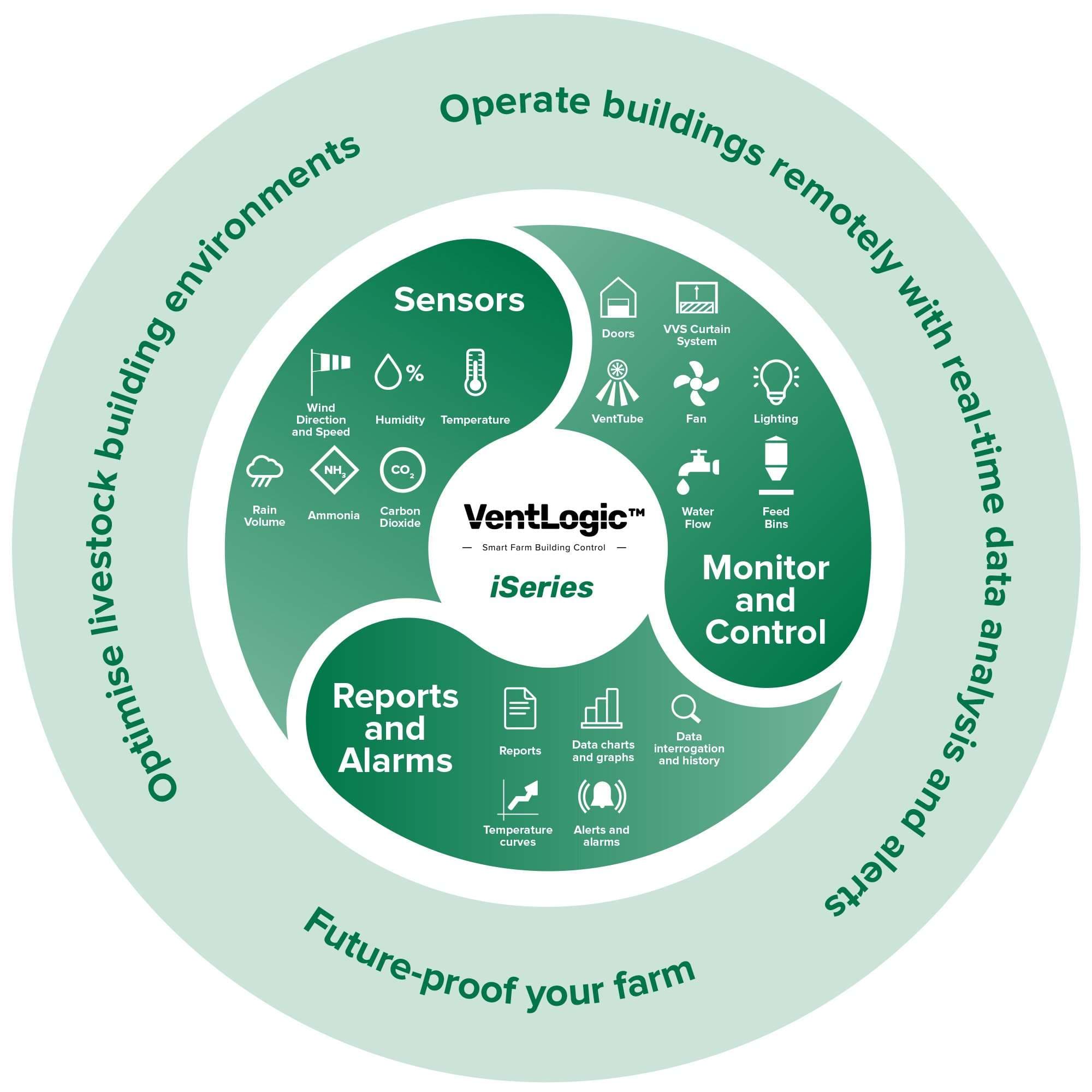
VentLogic iSeries Farm System Controller
The VentLogic iSeries Farm System Controller is a market-leading, farm-scale automation platform built for complex poultry and livestock houses, offering modular I/O, advanced scheduling and native integration with climate sensors and actuators. While its upfront cost can be higher than single-building controllers, its scalability and built-in farm-management features often produce lower labor and management costs on large operations compared with simpler controllers like MAXIMUS, and it pairs well with high-efficiency hardware such as Munters fans.
Estimated$800 – $1,800
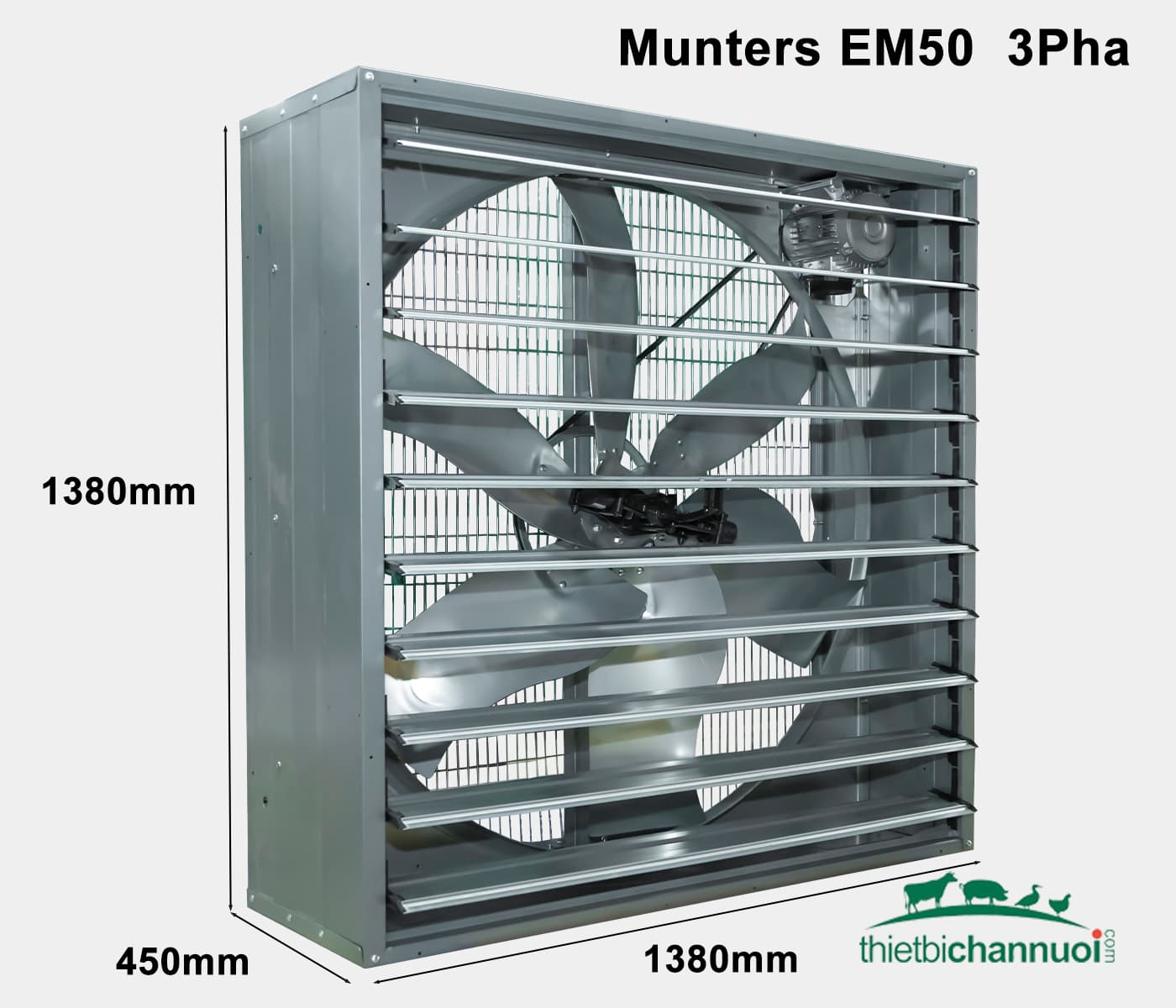
Munters EC-Motor Variable Speed Exhaust Fan
Munters' EC-Motor Variable Speed Exhaust Fans lead on technical efficiency and longevity, using electronically commutated motors to deliver precise airflow control and large energy savings over conventional AC fans. These fans reduce lifetime operating costs and smooth control when paired with smart controllers (MAXIMUS or VentLogic), and while they are a hardware investment compared with low-cost loggers like HOBO, their improved energy profile and motor lifetime make them financially attractive for medium-to-large farms.
Estimated$900 – $2,000
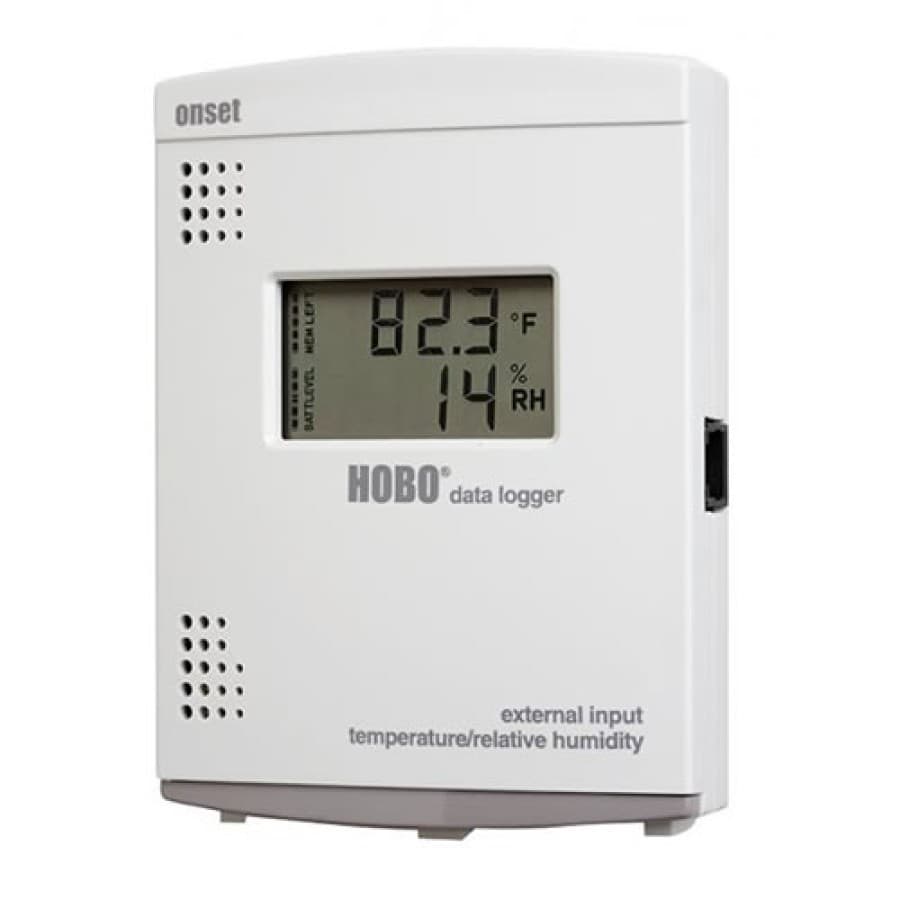
HOBO Temperature and Humidity Data Logger
The HOBO Temperature and Humidity Data Logger is a low-cost, easy-to-deploy monitoring tool ideal for validating ventilation strategies, regulatory compliance and diagnosing microclimate issues before investing in full automation. It does not provide real-time control like MAXIMUS or VentLogic, but its affordability and reliable data capture make it the go-to choice for growers who need empirical evidence to tune controllers or justify upgrades to energy-efficient hardware such as Munters fans.
Estimated$160 – $300
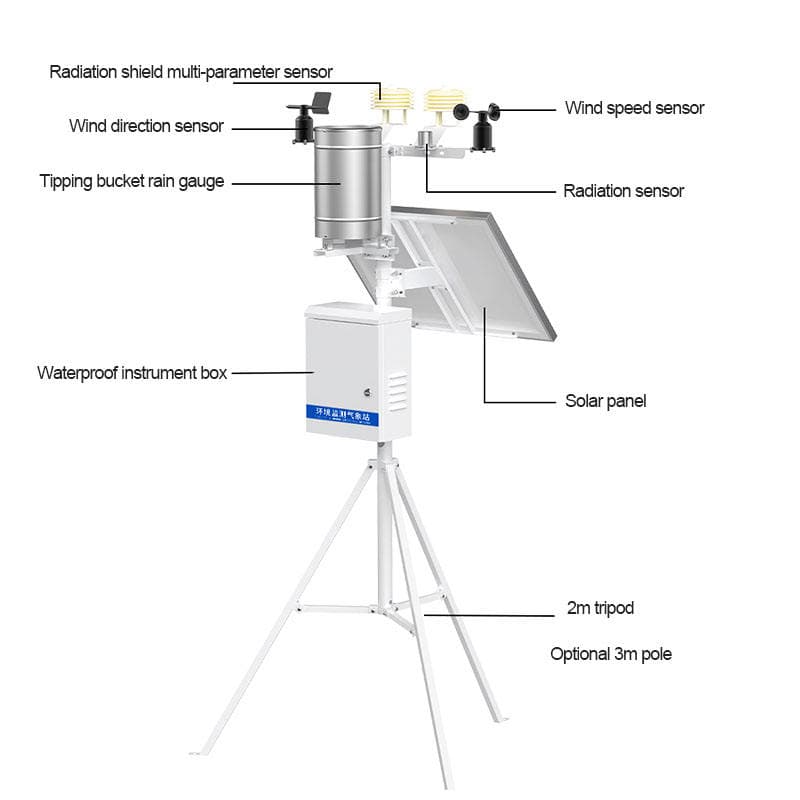
DOL 539 Weather Station for Agricultural Ventilation
The DOL 539 Weather Station is tailored for agricultural ventilation use, delivering comprehensive outdoor and on-farm weather metrics to enable predictive ventilation control and humidity management across facilities. More feature-rich and often pricier than basic loggers, it provides the real-time environmental context that smart controllers lack on their own, helping systems like MAXIMUS or VentLogic optimize setpoints and reduce energy waste while improving animal comfort.
Estimated$700 – $1,800
What research says about smart ventilation benefits
Numerous studies and extension reports from Canadian and international agricultural research centers show that sensor-driven, automated ventilation systems produce measurable benefits for energy use, animal health, crop yield, and stored-product quality. Research from institutions such as Agriculture and Agri-Food Canada, University of Guelph, and University of Saskatchewan highlights how precise environmental control reduces stress, disease, and spoilage while enabling more efficient fan and heater operation. The science behind these systems is straightforward: better sensing plus proportional control reduces unnecessary ventilation and maintains target conditions more consistently than manual or timer-based approaches.
Animal welfare and productivity: Trials and extension reports show improved respiratory health, lower mortality, and better weight gain in poultry and swine when ventilation is closely regulated around temperature and humidity targets.
Energy efficiency: Field studies and manufacturer-backed tests demonstrate that variable speed fans and smart controllers can cut ventilation energy use compared with fixed-speed, on/off systems. Savings depend on building insulation and operating strategy, but published results frequently report significant reductions in electricity and heating demand.
Crop and greenhouse outcomes: Controlled air exchange and humidity management reduce disease pressure and improve crop uniformity and yields. Research emphasizes the value of integrated control of ventilation, shading, and heating for year-round production in colder climates.
Stored grain and produce preservation: Continuous monitoring of temperature and humidity backed by automated ventilation reduces moisture migration and spoilage, lowering the risk of mycotoxin development and economic loss during storage.
Data-driven decision making: Remote monitoring and historical logs help producers spot trends, optimize schedules, and plan maintenance, leading to fewer emergency interventions and improved long-term performance.
Practical validation: Extension services and university trials in Canada and comparable climates provide actionable best practices for sensor placement, control strategies, and seasonal setpoint management that maximize benefit.
Frequently Asked Questions
Which controller should poultry farms pick MAXIMUS Smart Controller?
For poultry and livestock houses, the MAXIMUS Smart Controller is the best pick because it uses advanced PID-based ventilation control plus multi-sensor inputs and an intuitive UI for tight environmental regulation with minimal operator effort (rating 4.4).
What exact control feature does the MAXIMUS Smart Controller use?
The MAXIMUS Smart Controller uses advanced PID-based ventilation control optimized for poultry and livestock houses, with support for multiple sensors and automated climate schedules plus remote monitoring (rating 4.4).
How does VentLogic iSeries value compare at its price?
The provided data doesn’t include any price for the VentLogic iSeries Farm System Controller, so I can’t compare value by cost; it’s rated 4.2 and features modular I/O with touchscreen local UI and Wi‑Fi/4G remote access.
Does Munters EC-Motor fan work with smart controllers long-term?
Munters EC-Motor Variable Speed Exhaust Fan is rated 4.5 and is built for continuous farm use with thermal protection, low noise, and precise variable-speed exhaust control; it supports common control signals (0-10V, PWM, Modbus) for integration with smart controllers.
Conclusion
In the Canadian context for 2026, smart agricultural ventilation controllers are a practical way to raise productivity, protect livestock and crops, and reduce energy use. The top options profiled here are MAXIMUS Smart Controller, VentLogic iSeries Farm System Controller, Munters EC-Motor Variable Speed Exhaust Fan, HOBO Temperature and Humidity Data Logger, and DOL 539 Weather Station for Agricultural Ventilation. For most mixed livestock and greenhouse operations seeking a full-featured platform with strong integration and support, the MAXIMUS Smart Controller stands out as the best choice among these five. I hope you found what you were looking for; use the search to refine by application, budget, or expand to related systems such as sensors and fan packages.