

Top 5 Four-Season Backpacking Tents in Canada for 2026 — Field-Proven Shelters to Stay Safe in Heavy Snow and High Winds
Short answer: for most Canadian winter backpacking, a double-wall four-season tent is the safe default — the MSR Remote 3 (3.69 kg minimum weight, three Easton Syclone poles) or the Hilleberg Nammatj 3 GT (Kerlon 1800 outer, extended vestibule) if you are out for more than a night or two. Single-wall alpine shelters like the MSR Advance Pro 2 cut the carried weight to about 1.30 kg, but you pay for it in condensation and living space. Four-season backpacking tents are robust shelters engineered to withstand heavy snow, high winds, and harsh winter conditions for alpine and cold-weather expeditions. Unlike lightweight three-season models, these tents prioritize structural strength, reinforced materials, and secure anchoring over minimal weight. In Canada — from the coastal storms of Newfoundland to the Arctic approaches and the high alpine of the Rockies — backcountry travelers choose four-season tents for predictable performance when conditions become extreme. Canadian buyers commonly prioritize geodesic or semi-geodesic pole geometries, high-denier fabrics with durable coatings, multiple stake and guyline attachment points, deep snow skirts, and user-serviceable parts. Other important preferences include reliable ventilation to manage condensation, vestibule space for winter gear, proven field performance, easy repairs, and manufacturer support or warranty. For many users the trade-off is clear: accept extra weight for a shelter that can handle sustained wind, heavy snow loading, and multi-day cold snaps with confidence.
Inception's AI took the time to understand this market in Canada · · How we pickWe may earn a commission on purchases. It never affects our rankings.
Top Picks Summary
The Black Diamond Mission 2 targets alpine climbers who need a nimble, easy-to-pitch geodesic four-season shelter that balances low setup time with respectable weather performance for technical missions. It undercuts some premium rivals on price and excels at quick, compact packability—making it a practical choice over bulkier expedition tents like the Trango 2 or the costlier Hilleberg Jannu—though it may offer less interior volume than roomier designs such as the MSR Remote.
Show More Geodesic Four-Season Mountaineering Tents
Estimated$700 – $1,000
The Nammatj 3 GT is a market-leading choice for four-season expeditions that need a lightweight yet highly weatherproof tunnel tent tailored to three-person teams; its technical refinement makes it easier to carry and faster to pitch than bulkier expedition tents. It outperforms economy models such as the Black Diamond Fitzroy on storm performance and fabric longevity, and while it is pricier than some Helsport and Fjällräven offerings, the reduced weight and proven reliability make it a competitive financial choice for teams valuing packability and safety on serious missions.
Show More Tunnel Four-Season Expedition Tents
The MSR Advance Pro 2 is a premium single-wall, four-season alpine tent engineered for two-person alpine missions, offering a robust pole geometry and durable materials that prioritize storm resistance and interior livability. Compared with the minimalist bivy option in this list, it provides significantly more protected floor space, vestibule storage and multi-day comfort—features that justify its higher purchase price for teams or partners by delivering better protection and a lower cost-per-person in alpine expeditions.
Show More Single-Wall Four-Season Alpine Tents
Estimated$1,100 – $1,400
The NEMO Kunai 3P claims best-in-class status for double-wall four-season basecamp tents by delivering an outstanding balance of interior livability, simple pole geometry, and a friendlier price point—making it an excellent choice for groups that prioritize space and quick setup at a basecamp. Compared with the Hilleberg Nammatj 3 GT, the Kunai typically offers more usable floor area per person and easier pitching, trading off some of Hilleberg’s premium fabric longevity and extreme-wind pedigree for better initial value and everyday comfort.
Show More Double-Wall Four-Season Basecamp Tents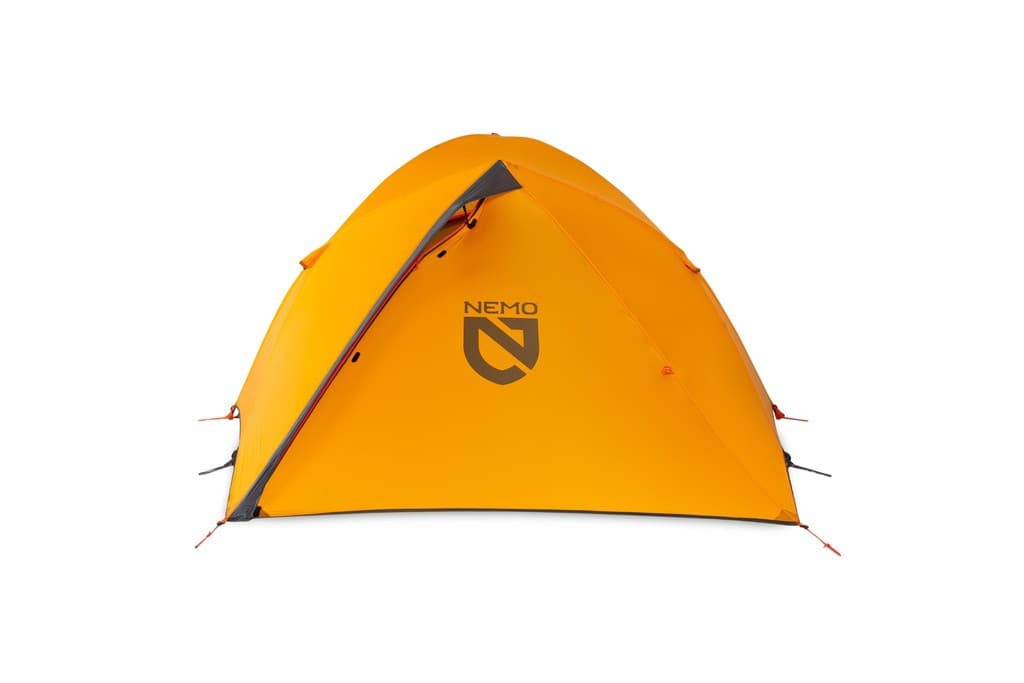
Estimated$700 – $950
The Latok Summit combines a competitive weight-to-strength ratio with thoughtful ventilation and snow-shedding geometry, making it a top choice for climbers who want a high-performance summit tent that remains packable for ski approaches. It sits near the top of the price range similar to Hilleberg but emphasizes lighter materials and modern design trade-offs, offering a performance-focused alternative to heavier traditional expedition tents while still outperforming budget choices on technical terrain.
Show More Ski Touring Four-Season Backcountry Tents
We may earn a commission on purchases. It never affects our rankings.
$664.99CAD
What research and testing tell us about four-season tent performance
A combination of engineering tests, independent gear lab evaluations, and field studies explains why specific design choices improve winter shelter safety and comfort. Findings emphasize structural geometry, material strength, anchoring systems, and ventilation as critical factors. The following beginner-friendly points summarize key research-backed principles that guide product selection and safe use.
Geodesic and multi-cross pole geometries distribute snow loads and wind forces more evenly than single-arch designs; wind-tunnel and static-load tests show reduced deformation and better survival in sustained gusts.
Pole strength is correlated with diameter, wall thickness, and alloy quality. Laboratory bend and fatigue tests demonstrate that higher-modulus aluminum and stronger hub systems reduce the chance of catastrophic pole failure in cold conditions.
Fabric performance depends on denier, weave, and coating. Tests measuring hydrostatic head, tear strength, and UV resistance indicate that silicone-impregnated or double-coated flysheets and reinforced floor fabrics provide better long-term water and abrasion resistance.
Ventilation and double-wall construction reduce condensation. Field studies modeling moisture transport show that strategic vents, breathable inner layers, and separated outer flies lower interior humidity and ice buildup on inner walls.
Anchoring and snow-specific techniques matter: stakes alone are often insufficient in deep snow. Laboratory and field comparisons highlight the effectiveness of snow anchors, deadman anchors, and wide-surface anchors to resist pullout under load.
Thermal comfort is improved more by reducing drafts and controlling moisture than by relying on tent fabric insulation alone. Research into microclimates inside shelters shows that vestibules, draft collars, and layered sleeping systems provide meaningful warmth benefits.
Frequently Asked Questions
Which tent on this list is best for extended Canadian winter trips?
The Hilleberg Nammatj 3 GT. It uses Hilleberg's Kerlon 1800 outer fabric and 10 mm poles, and the extended GT vestibule swallows packs, boots and a stove for long stays. Hilleberg lists the standard Nammatj 3 at 2.6 kg minimum and 3.3 kg packed; the GT's longer vestibule and extra pole add to that. If you want comparable room for less money, the MSR Remote 3 is the double-wall basecamp alternative at a 3.69 kg minimum weight.
Is the Black Diamond Mission 2 a true geodesic tent?
No. The Mission 2 uses a hybrid dome/tunnel pole layout (a hoop-and-hub exterior frame), not a fully geodesic multi-cross design. It is still a genuine two-person four-season tent — its 30-denier seam-sealed polyester fly and twin vestibules handle wind and snow well — but it is not geodesic.
Which is the lightest four-season shelter here?
The MSR Advance Pro 2, at a 1.30 kg (2 lb 14 oz) minimum weight. It is a two-person single-wall tent built on two Easton Syclone composite poles joined by a single hub, with 20-denier ripstop nylon walls and a 30-denier floor. The Rab Latok Summit is the other single-wall option at roughly 1.45 kg; everything else on this list is double-wall and about three times heavier.
Does the Hilleberg Nammatj 3 GT work for three-person group camping?
Yes. The Nammatj 3 GT is a three-person tunnel tent with an extended GT vestibule for additional storage, multiple guyline attachment points and reinforced corners for reliable wind and snow performance in alpine conditions.
Conclusion
In the Canadian context, four-season backpacking tents are essential kit for serious winter alpine travel and extended cold-weather trips. This 2025 guide highlights five field-proven options built to handle heavy snow, high winds, and the unpredictable weather common across Canada’s ranges and coastlines. We hope you found the information you needed — if not, refine or expand your search using the site search or filters to match your priorities (weight, budget, repairability, or expedition grade).