

Tarp Camping Tents in Canada — Top 5 Options for 2025: Guide to Ultralight, Weather-Ready Tarp Shelters
Tarp camping tents are highly versatile, lightweight shelters that use tarps and minimalist rigging for configurable protection from rain and wind. Preferred by ultralight and bushcraft enthusiasts for adaptability, low weight, and low pack volume, these shelters let users customize pitch, vestibule and ventilation to match terrain and weather. In Canada, where conditions range from maritime rain on the West Coast to alpine storms in the Rockies and bug-heavy summer bush in the boreal, tarp systems offer a practical balance of shelter performance and packability. Buyers tend to prioritize fabric type (silnylon, silpoly, and Dyneema composite), hydrostatic head/waterproof ratings, seam quality, weight-to-strength ratio, and rigging options; they also value multi-season versatility, quick setup, and repairability in remote settings. Tarp camping tents suit long-distance hikers, canoe trippers and minimalist backpackers who trade off some enclosure for major reductions in carried weight and bulk. Proper selection and rigging deliver strong weather protection, low wind profile and easy integration with trekking poles, trees or custom frames.
Inception's AI took the time to understand this market in Canada · · How we pickWe may earn a commission on purchases. It never affects our rankings.
Top Picks Summary
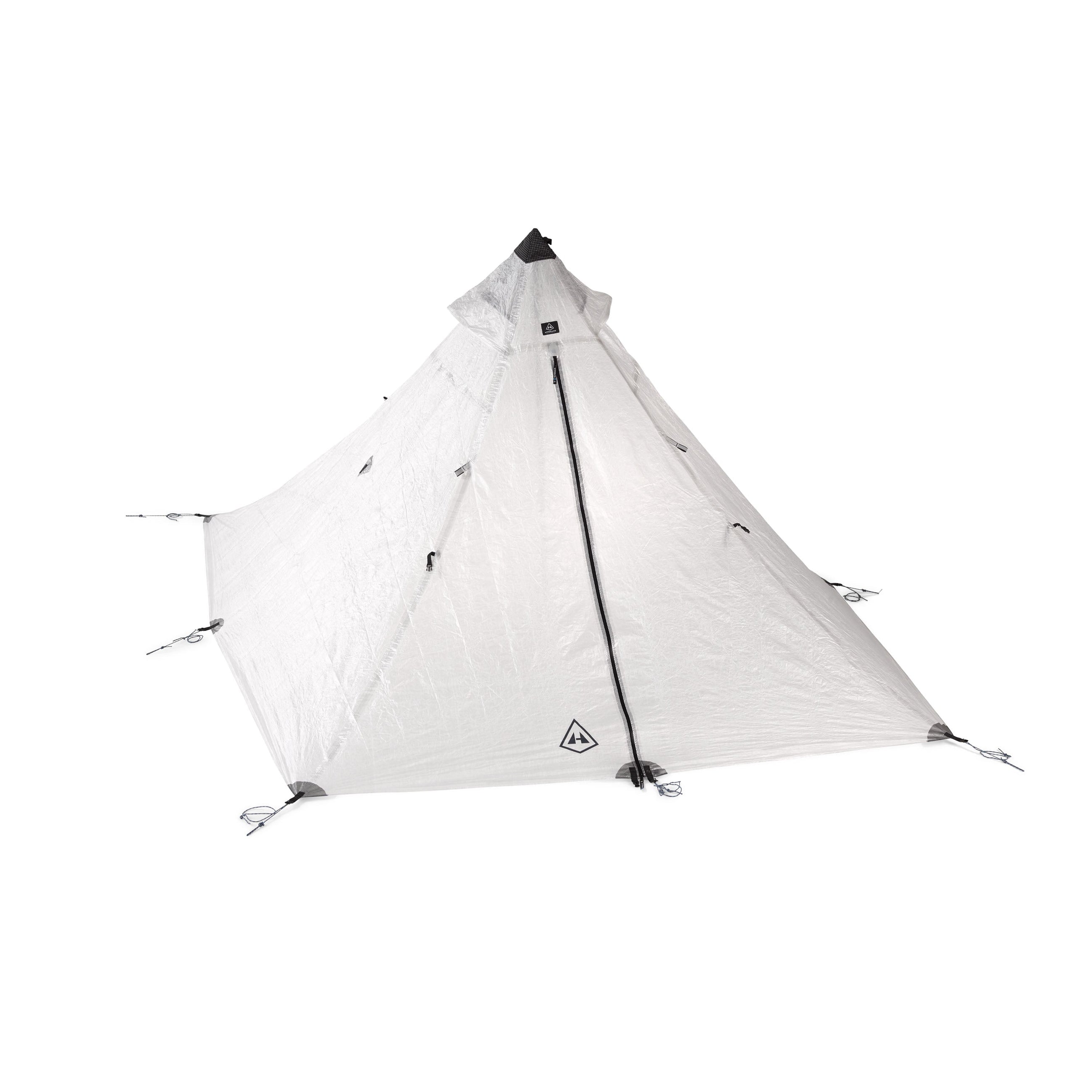
Hyperlite Mountain Gear UltaMid 2
The UltaMid 2 is Hyperlite's premium DCF mid-style tarp shelter that earns its best-in-class reputation by combining a high strength-to-weight fabric with a roomy, stable geometry ideal for two-person tarp camping. It stands out against lighter hexamid designs like the Zpacks model by offering more interior volume and weather protection, while commanding a higher price that reflects its advanced materials and refined construction compared with more budget-friendly options such as AquaQuest or the single-wall silpoly alternatives.
We may earn a commission on purchases. It never affects our rankings.
$1,058.99CAD
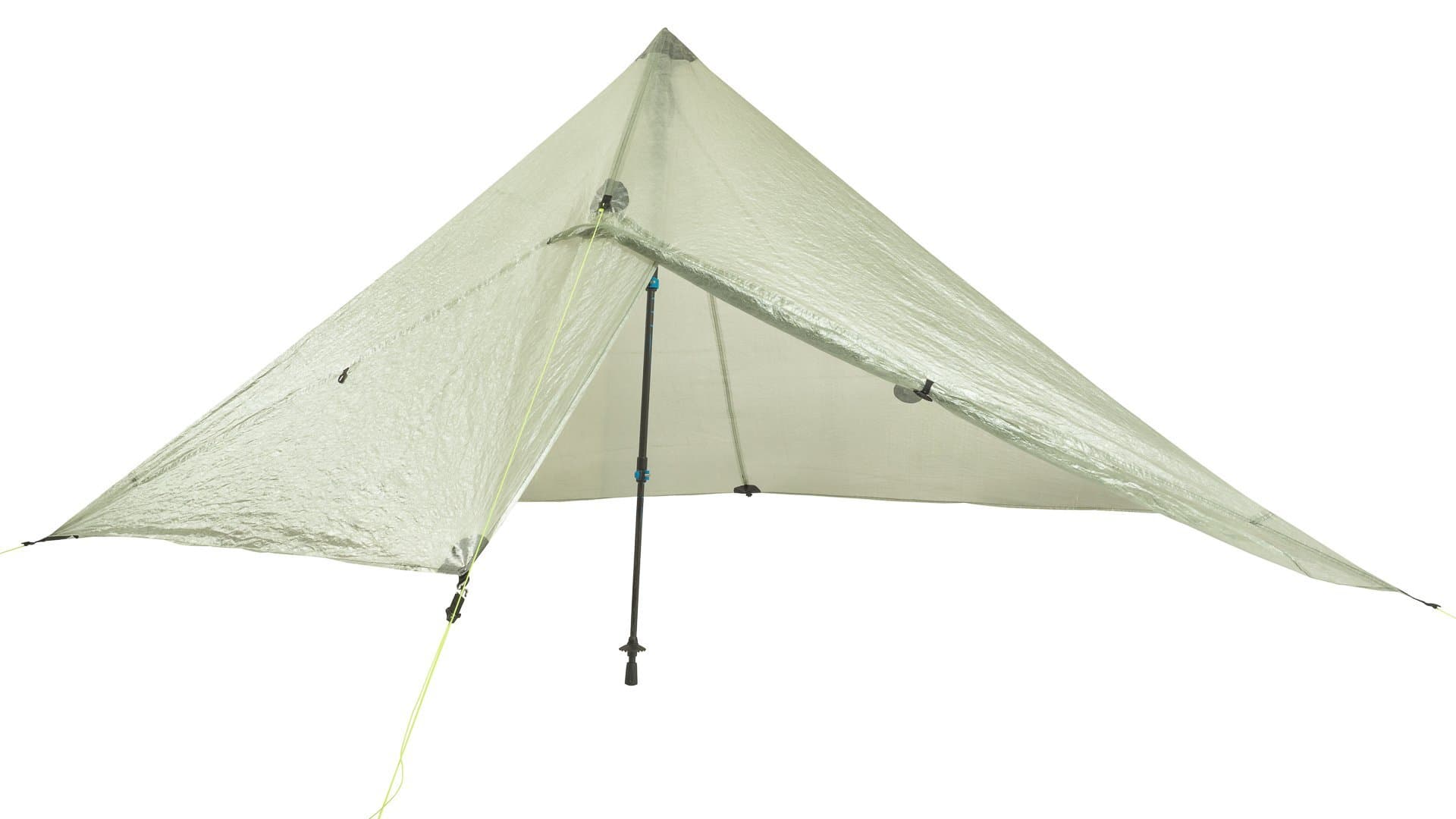
Zpacks Hexamid Pocket Tarp with Doors
The Zpacks Hexamid Pocket Tarp with Doors is a true ultralight choice that prioritizes minimal weight and packability through a simple hexamid shape and Dyneema Composite Fabric construction, making it especially attractive to fast-and-light solo hikers. Technically it sacrifices some interior volume and storm redundancy compared with the UltaMid 2 or the MLD TrailStar, but its lower cost and tiny packed size give it a clear financial and weight advantage for hikers focused on grams and speed.
Mountain Laurel Designs TrailStar
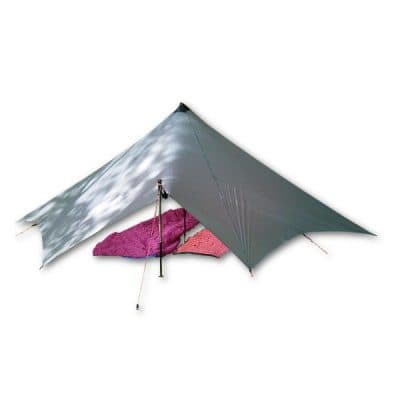
The TrailStar from Mountain Laurel Designs is prized for its versatile, roomy silpoly design that functions as a tarp or a freestanding shelter with excellent storm-handling characteristics, making it a go-to for thru-hikers and ultralight backpackers who want more living space than a hexamid. It typically comes at a lower price point than Dyneema shelters like the UltaMid and Zpacks options, offering a cost-effective balance of durability, interior area and ease of pitching compared with budget tarps such as AquaQuest or more expedition-focused pieces from Seek Outside.
Estimated$200 – $300
AquaQuest Safari Tarp
The AquaQuest Safari Tarp is a budget-minded, rugged coated-nylon tarp designed for dependable wet-weather performance and basecamp versatility, with taped seams and durable material that make it especially suitable for car camping or heavier-duty use. While heavier and bulkier than Dyneema and silpoly options on this list, its affordability and waterproof reliability offer strong financial value for casual tarp campers who prioritize durability over ultralight weight.

Seek Outside DST Tarp
The Seek Outside DST Tarp is an expedition-grade, made-to-order tarp that emphasizes durability, custom features and field-proven strength for serious backcountry users and harsh environments. It competes with the UltaMid on robustness but leans more toward bespoke options and heavier-duty fabrics, making it more expensive than mid-range choices like the TrailStar while offering superior customization and longevity compared with budget tarps such as the AquaQuest.

Estimated$600 – $900
What Research and Practical Evidence Say About Ultralight Tarp Shelters
A body of applied research in load carriage, human performance and outdoor medicine, plus lab and field testing of shelter fabrics, supports the core benefits of ultralight tarp shelters: reduced carried weight lowers energy cost and perceived exertion, modern fabrics provide strong waterproof performance per weight, and appropriate shelter shape and anchoring significantly reduce wind and water infiltration. While most academic studies focus on pack weight and physiological outcomes rather than specific tarp models, industry-standard test methods and outdoor science translate directly into practical buying criteria for tarps and minimalist shelters.
Reduced pack weight lowers metabolic cost: peer-reviewed studies in load carriage show that each kilogram of carried weight increases energy expenditure and perceived effort; lighter shelters contribute directly to easier long days and lower fatigue.
Fabric performance is measurable: look for hydrostatic head ratings and industry test results; fabrics such as silnylon, silpoly and Dyneema composite offer distinct trade-offs in weight, stretch, UV resistance and puncture strength.
Shape and rigging matter more than brand: aerodynamic pitches, low profiles and properly tensioned ridgelines reduce flutter and leakage; field tests repeatedly show that correct pitching yields better protection than heavier but poorly rigged shelters.
Condensation and ventilation: shelter microclimate studies show that ventilation, pitch angle and vestibule design reduce condensation risk while maintaining warmth; simple venting and spacing from ground contact improve comfort.
Durability versus weight trade-offs: materials like Dyneema composite fabrics have high strength-to-weight and low stretch but can be more vulnerable to abrasion and UV over long-term exposure; care and reinforcement strategies extend service life.
Safety considerations: wilderness medicine guidance emphasizes shelter choice that balances warmth, protection and the ability to quickly erect a shelter in adverse conditions; practice setups before trips to avoid exposure in storms.
Practical takeaway: choose a tarp system that matches your typical Canadian conditions (rainfall, wind exposure, bugs), check fabric specs (hydrostatic head, seams), and practice rigging to get real-world performance that aligns with lab expectations.
Frequently Asked Questions
Which tarp shelter is best for two-person camping, UltaMid 2?
Hyperlite Mountain Gear UltaMid 2 is the best fit for two-person tarp camping, because it has a roomy two-person layout with steep walls and a simple single-pole/trekking-pole pitch with multiple tie-outs; it has an average rating of 4.7.
Does Zpacks Hexamid Pocket Tarp with Doors use Dyneema?
Yes—Zpacks Hexamid Pocket Tarp with Doors uses Cuben/Dyneema Composite Fabric, includes a pocket and door panels for sheltered entry and better wind protection, and is designed to use trekking poles with multiple guy points; average rating is 4.5.
How does the Mountain Laurel Designs TrailStar price compare?
I can’t compare price for Mountain Laurel Designs TrailStar because no price data was provided, but it’s rated 4.7 and uses a classic single-pole pyramid tarp design with multiple stake-out points for numerous pitch configurations.
Is the TrailStar meant for freestanding use or tarp only?
Mountain Laurel Designs TrailStar can function as a tarp or a freestanding shelter; it’s a very lightweight, compact option with a classic single-pole pyramid tarp and multiple stake-out points, and it has an average rating of 4.7.
Conclusion
Across Canadian conditions, tarp camping tents deliver a lightweight, adaptable shelter strategy for ultralight hikers, canoe trippers and bushcrafters. The five models featured here — Hyperlite Mountain Gear UltaMid 2, Zpacks Hexamid Pocket Tarp with Doors, Mountain Laurel Designs TrailStar, AquaQuest Safari Tarp, and Seek Outside DST Tarp — each target different priorities like minimal weight, full coverage, multi-pitch versatility, rugged weatherproofing, and bushcraft-friendly layout. For most ultralight backcountry users seeking the best balance of weight, weather protection and proven design, the Hyperlite Mountain Gear UltaMid 2 is the top choice on this list, while the Zpacks Hexamid Pocket Tarp with Doors and Mountain Laurel Designs TrailStar offer attractive alternatives for shelterers who prioritize enclosure or flexible pitching. I hope you found what you were looking for; you can refine or expand your search using the site search to filter by weight, fabric, pitch style or season.