

Top 7 Insulated Jackets for Camping and Hiking in Canada 2025 | Expert-Vetted Picks to Match Alpine Cold, Coastal Wet Weather, and Ultralight Treks
Warm jackets using down or synthetic insulation provide lightweight, compressible warmth for cold-weather hiking and overnight stays. This category covers the full spectrum from ultralight belay jackets built to stash in a pack, to robust expedition-weight pieces meant for multi-day alpine trips. Canadian buyers value a particular mix of attributes: reliable warmth-to-weight for long approaches, good compressibility for limited pack space, durability for rocky trails, and weather resistance for coastal rain or wind. Sustainability and ethical sourcing have moved higher on shopping lists, with many consumers preferring Responsible Down Standard certified down, recycled synthetics, and PFC-free durable water repellent (DWR) finishes. Practical features like helmet-compatible hoods, long-cut hems, pit zips for ventilation, and well-placed pockets also influence preference because they directly affect comfort during variable Canadian conditions.
Inception's AI took the time to understand this market in Canada · · How we pickWe may earn a commission on purchases. It never affects our rankings.
Top Picks Summary
The Ghost Whisperer/2 is the market leader when pure weight-to-packability and affordability matter, offering one of the lightest mainstream down hoodies and outstanding value versus pricier premium models. It accepts some tradeoffs in abrasion resistance and ultimate down loft compared with Arc'teryx and Feathered Friends, making it ideal for thru-hikers and ultralight-focused users on a budget.
Show More Ultralight Down Jackets
Estimated$300 – $450
The North Face Summit Series Himalayan Down Parka is a top choice for down parkas when technical mountain features, rigorous testing and broad dealer support matter, offering high-end materials and design at a more accessible price point than many luxury labels. Against competitors in this list it strikes a balance between the expedition-grade engineering of Mountain Hardwear and Rab and the premium craftsmanship of Feathered Friends, making it a practical leader for serious alpinists who also value brand-wide service and distribution.
Show More Down Parkas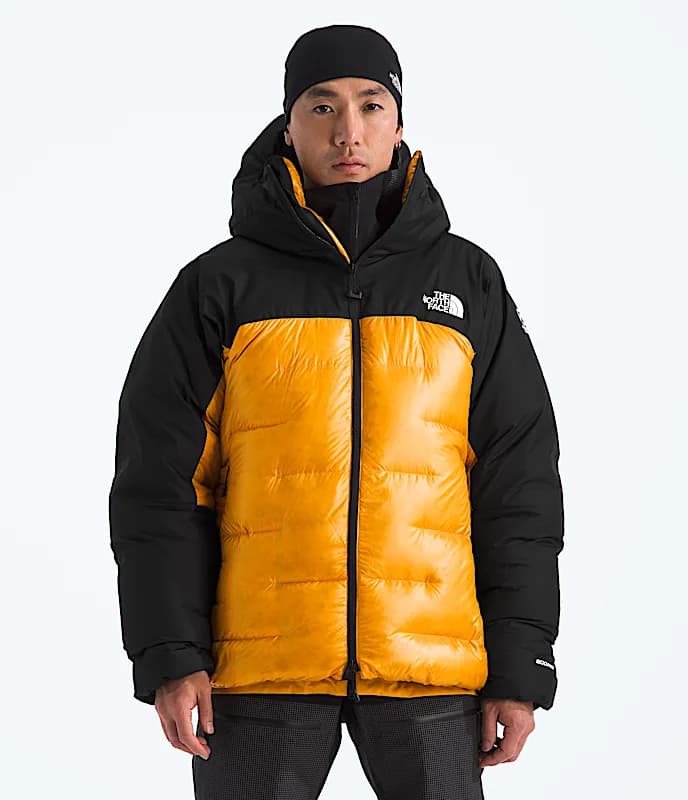
We may earn a commission on purchases. It never affects our rankings.
$899.99CAD
Rab's Xenair Light Jacket stakes its claim as the best-value ultralight synthetic midlayer, blending breathable, low-bulk insulation with a pared-back feature set that keeps the price and weight down. Technically it favors ventilation and active use over maximum loft, so it competes well against the Micro Puff for breathability and often undercuts Arc'teryx and Patagonia on cost, making it a smart choice for users who want solid performance without premium pricing. Released and available, it fits well for fast approaches and all-day activity where moisture management and lightness matter more than absolute warmth.
Show More Synthetic Insulation Jackets
Estimated$180 – $260
The Outdoor Research Belay Parka stands out by using durable synthetic insulation and weather-resistant fabrics that retain insulating ability when wet, delivering practical advantages in mixed or wet alpine conditions where down competitors can underperform. It is often more affordable and easier to care for than down-dominant expedition parkas, offering faster drying and lower logistical risk on long trips with limited drying options. For expeditions that expect moisture, frequent stops, or require reliable, low-maintenance warmth, the Belay Parka represents a pragmatic, cost-effective choice.
Show More Expedition Parkas
Estimated$500 – $800
Black Diamond's Belay Parka is a climbing-focused, feature-rich parka designed specifically for belay use, with a helmet-compatible hood, extended hem and practical pocket placement that address on-belay needs. It provides an excellent balance of function and price—more affordable than many premium options like Arc'teryx and Patagonia—though it may not quite reach their warmth-to-weight or material premium-levels.
Show More Belay Jackets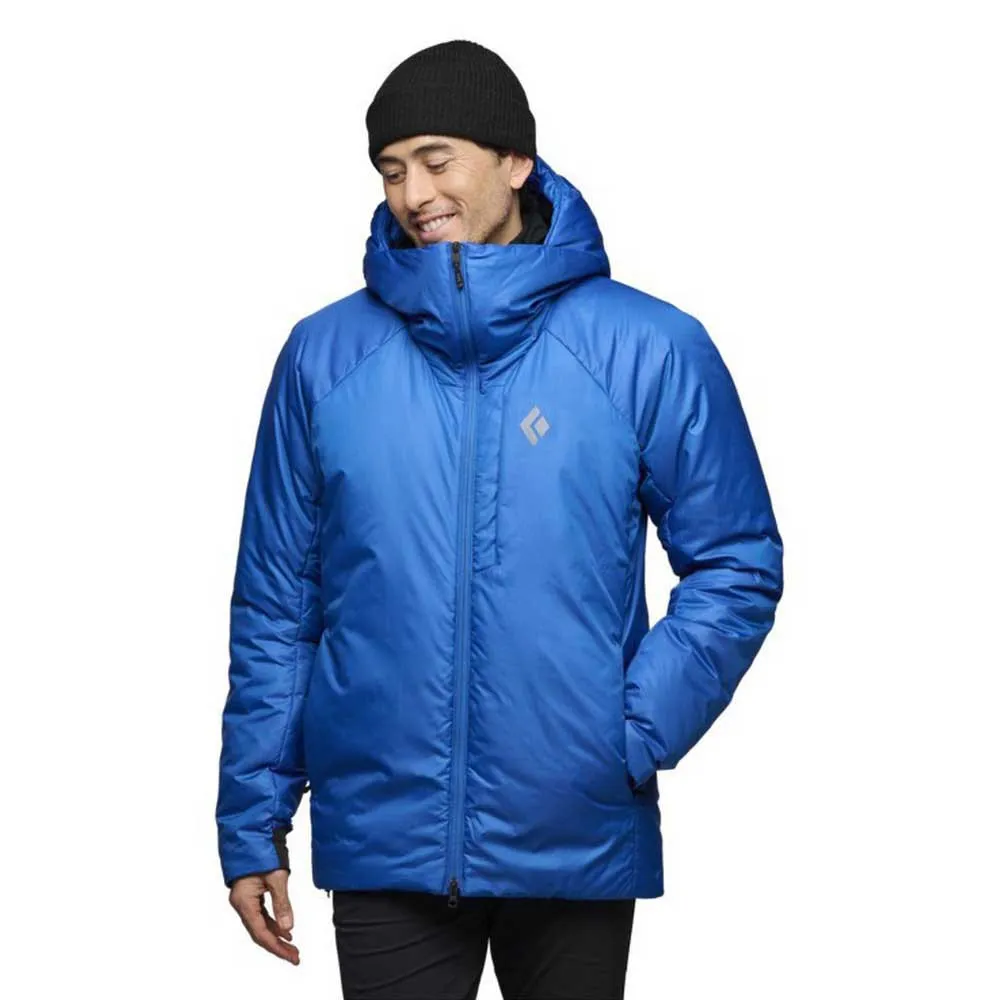
Estimated$350 – $550
The Nano Puff Jacket is a market-leading synthetic packable jacket valued for its balance of everyday versatility, dependable wet-weather insulation, and accessible pricing compared with premium down options. While not as compressible or warm per ounce as the Cerium LT or Ghost Whisperer, its recycled synthetic fill performs consistently when damp and offers strong value and sustainability credentials for buyers wanting low-maintenance, year-round packability.
Show More Packable Insulation Jackets
Estimated$249 – $329
How Insulation Works and What Research Shows
Insulated jackets keep you warm by trapping layers of still air inside lofted materials. Down delivers exceptional loft for its weight, while synthetic fibers are engineered to mimic loft and to retain more warmth when wet. Scientific research and field testing from outdoor labs and university studies focus on heat retention, moisture management, and compressibility. Findings help buyers choose the right insulation for their activity, weather exposure, and maintenance preferences.
Loft and Fill Power: Down warmth scales with loft and fill power. Higher fill power indicates greater trapped air per gram, improving warmth-to-weight but usually at higher cost.
Fill Weight Tradeoffs: Total insulation weight (fill weight) combined with fill power determines actual warmth. Two jackets with the same fill power can have different warmth if one contains more fill weight.
Wet Weather Performance: Synthetic insulations (polyester blends, proprietary hollow fibers) retain more insulating ability when wet and dry faster than untreated down. Treated down (hydrophobic down) narrows that gap but still requires careful drying to fully recover loft.
Thermoregulation and Layering: Research shows that a layering strategy (base, insulating mid, shell) offers greater overall thermal control and moisture management than relying on one heavy piece. Insulated jackets excel as mid layers or emergency layers in shelters and belays.
Compressibility and Loft Recovery: Studies of insulation durability show that repeated compression can reduce loft over many seasons. Higher-quality down with good construction recovers loft better; some synthetic insulations are engineered for faster loft recovery after packing.
DWR and Environmental Tradeoffs: Durable water repellent finishes protect loft by preventing face fabric saturation. PFC-free DWRs are increasingly effective and reduce long-term environmental persistence; performance varies by formulation and testing.
Safety and Hypothermia Prevention: Field research confirms that accessible, lightweight insulated layers improve sheltering options and reduce cold exposure risk during unexpected stops, making them high-value items for Canadian backcountry safety kits.
Frequently Asked Questions
Should I pick the Rab Zero G for alpine trips?
Choose the Rab Zero G Jacket if you want ultralight, fast-and-light alpine movement with a trim hooded profile, minimal seams, and a highly packable design; it’s rated 4.5 and priced at $349.95 CAD.
What insulation feature does Outdoor Research SuperStrand LT use?
The Outdoor Research SuperStrand LT Hoodie uses lightweight synthetic insulation designed to dry quickly, shed moisture fast, and layer well under shells; it’s rated 4.3 and costs $206.99 CAD.
Is the North Face Summit Series Himalayan Down Parka worth $800.33?
At $800.33 CAD, the North Face Summit Series Himalayan Down Parka includes high-loft down fill for warmth-to-weight at altitude plus a waterproof, breathable technical shell and a helmet-compatible hood; it’s rated 4.5.
Which jacket is best for quick-drying wet hikes?
For quick-drying wet conditions, the Outdoor Research SuperStrand LT Hoodie is engineered for rapid moisture shedding and quick drying with lightweight synthetic insulation; it’s rated 4.3 and listed at $206.99 CAD.
Conclusion
Whether you are planning west coast rain runs, alpine scrambles in the Rockies, or cold overnight backcountry trips, the right insulated jacket makes a major difference in comfort and safety. We hope this guide helped you narrow the options for Canada in 2025. Use filters to refine by insulation type, warmth-to-weight, waterproofing, weight, or sustainability certification, or expand your search to compare temperature ratings and fit. If you need more help, try the search or contact us for personalized recommendations.