

Top 7 Hydration and Water Treatment Solutions in Canada for 2025: Top Picks for Lightweight Filters, High-Flow Systems, UV Purifiers, and Insulated Bottles — Which One Fits Your Trip?
This category covers bottles, reservoirs, and water purification systems designed to ensure safe drinking water outdoors across Canada. We focus on compact and durable insulated containers, lightweight filtration technologies, high-flow systems for groups or fast refills, and a range of purification methods including mechanical filters, UV purifiers, and chemical treatments. Canadian consumers are choosing gear that balances weight, flow rate, durability, and contaminant protection because of diverse use cases: solo ultralight backpacking in the Rockies, family canoe trips in Ontario, urban emergency preparedness, and travel to remote communities. Rising interest in fast, high-capacity filters, easy-to-use UV devices, and multi-stage systems that combine sediment, carbon, and microbiological protection is driven by concerns about seasonal water advisories, extreme-weather disruptions, and a desire for reliable, low-maintenance gear that performs in cold conditions.
Inception's AI took the time to understand this market in Canada · · How we pickWe may earn a commission on purchases. It never affects our rankings.
Top Picks Summary
Nalgene's Ultralite HDPE Wide Mouth 32oz earns a market-leader spot for combining rugged, long-lasting HDPE construction with a very low per-liter cost, making it a dependable choice for hikers who prioritize durability and easy filling. Compared with soft flasks like CNOC and HydraPak it is less packable when empty but outperforms disposable PET options such as Smartwater on reusability and outlasts them financially over repeated trips.
Show More Lightweight Water Bottles for Hiking
The Klean Kanteen TKPro 1.0L is the technical pick for campers who want a lightweight, high-performance insulated bottle with a user-focused, leak-resistant cap and proprietary Climate Lock vacuum insulation. It often competes closely with Hydro Flask on price and performance while offering a lighter, more eco-oriented package than bulkier leaders like YETI and Stanley, making it ideal for hikers who balance weight, sustainability and thermal performance.
Show More Insulated Water Bottles for Camping
We may earn a commission on purchases. It never affects our rankings.
$49.99CAD
The HydraPak Shape-Shift 3L stands out for its pack-conforming, collapsible shape that minimizes slosh and adapts to different pack shapes — a technical advantage for backpackers who switch packs or want to optimize weight distribution. Compared with bulkier reservoirs it offers a modern balance of lightweight construction and fit-focused design, usually at a mid-range price that undercuts some brand-specific reservoirs while delivering targeted performance benefits.
Show More Hydration Reservoirs for Backpacking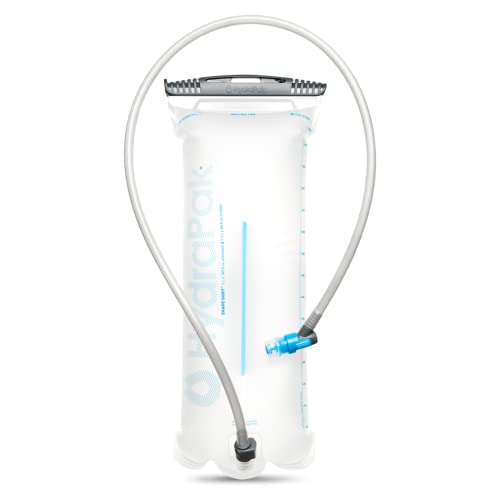
See price at Amazon
Sawyer Squeeze is a highly versatile, ultralight hollow-fiber filter system known for exceptional service life, easy backflushing, and low cost per liter — making it a favorite for long-distance hikers seeking value and modularity. Compared with the Katadyn BeFree it tends to be more durable and easier to maintain, and versus premium pump purifiers it provides a budget-friendly, lightweight alternative with broad accessory compatibility.
Show More Portable Water Filters for Camping and Hiking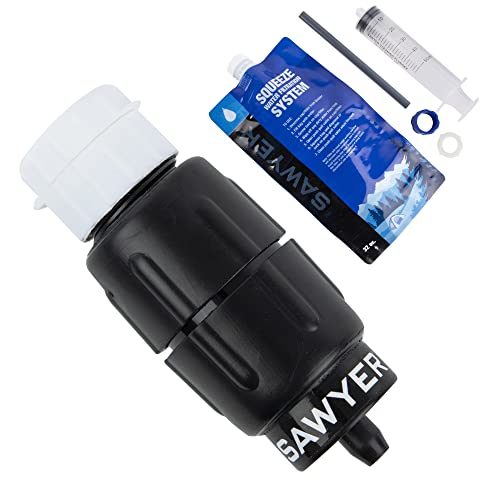
The CrazyCap Pro converts existing bottles into UV-C purifiers via a screw-on cap, offering a modular, often lower-cost alternative to purpose-built bottles and an easy upgrade path for backpackers who already own lightweight containers. Compared with the LARQ PureVis, CrazyCap Pro typically delivers comparable UV functionality at a smaller price and with more flexibility, though it requires a compatible bottle and may lack some integrated bottle features. It's a strong choice for hikers who want the convenience of UV treatment while keeping their preferred ultralight bottles.
Show More Ultraviolet Water Purifiers for Backpacking
Estimated$160 – $240
Aquatabs are widely used by aid organizations and campers alike for their low cost, long shelf life, and consistent performance using stable free-chlorine chemistry (NaDCC), making them a budget-friendly baseline option for chemical treatment while camping. They compare favorably on price per litre to liquid drops, but are generally slower or less effective than chlorine dioxide products against certain protozoa, so campers choose Aquatabs when affordability and availability are the primary concerns.
Show More Chemical Water Treatment for Camping
Katadyn Vario Maintenance Kit
The Katadyn Vario Maintenance Kit focuses on the adjustable‑flow ceramic/activated‑carbon hybrid filter, supplying precision replacement ceramics, O‑rings, and cleaning tools that extend element life and preserve taste and performance. Technically it excels for users who want tunable flow and long ceramic lifespan — a financially sensible choice over time because the durable ceramic parts reduce the need for frequent full‑cartridge replacements compared with disposable‑element systems in this list.
Show More Water Treatment Accessories and Replacement Filters for Camping
What the Research Says About Hydration and Water Treatment
Scientific and public health guidance supports matching treatment technology to the contaminants you expect and the clarity of source water. Mechanical microfilters reliably remove protozoa and bacteria when pore sizes are 0.1 to 0.2 microns or smaller, while UV and chemical methods are effective against viruses when used correctly. Performance varies with water turbidity, temperature, and operator technique, so many studies and agency guidelines recommend prefiltration for cloudy water and combination approaches for comprehensive protection. Health Canada, the Public Health Agency of Canada, and international bodies like the World Health Organization provide evidence-based recommendations that inform product standards and user best practices.
Microfiltration and ultrafiltration: Peer-reviewed studies show hollow-fiber and ceramic filters with pore sizes around 0.1 to 0.2 microns typically achieve greater than 99.9% removal of protozoa and bacteria, but they do not reliably remove viruses without additional treatment.
UV disinfection: UV-C devices, when used in clear water and for the recommended exposure time, inactivate bacteria, protozoa, and viruses by damaging microbial DNA. Effectiveness drops with turbidity and colored water, which is why prefiltration is often advised.
Chemical treatments: Chlorine and chlorine dioxide tablets are effective against bacteria and viruses and can inactivate some protozoan cysts with longer contact times. Their performance depends on temperature, pH, and contact time; users should follow manufacturer instructions and advisories.
Activated carbon: Carbon stages improve taste and remove some organic compounds, chlorine byproducts, and volatile organics but do not provide microbiological protection on their own.
Combination systems: Multi-stage approaches that pair sediment prefilters, carbon, mechanical filtration, and UV or chemical steps balance taste, flow rate, and microbiological safety; clinical and field studies support combined methods for variable source water.
Standards and guidance: Look for testing to objective standards (for example, NSF/ANSI where applicable) and align choices with Health Canada and Public Health Agency recommendations for emergency and backcountry water treatment.
Frequently Asked Questions
Which bottle is best for hikers needing minimal bulk Hydrapak Stow 1L?
Choose the Hydrapak Stow 1L if you want a fully collapsible design that rolls up to save space as you drink; it has a 4.4 average rating and costs C$23.03, with durable TPU and a leak-resistant cap.
Does Hydro Flask 40 oz Wide Mouth have vacuum insulation?
Yes—the Hydro Flask 40 oz Wide Mouth uses TempShield double-wall vacuum insulation for long-lasting hot/cold performance; it has a 4.7 average rating and costs C$47.69.
How does Hydro Flask 40 oz cost versus Hydrapak Stow 1L?
Hydro Flask 40 oz Wide Mouth is C$47.69, while Hydrapak Stow 1L is C$23.03; the Hydro Flask gives TempShield double-wall vacuum insulation, and the Hydrapak focuses on a fully collapsible, pack-flat TPU design.
What makes CamelBak Crux 3L reservoir good for fast refills?
The CamelBak Crux 3L reservoir has a high-flow Crux bite valve to increase water delivery per sip, plus a wide opening for fast filling; it has a 4.7 average rating and costs are not listed, so warranty details aren’t provided.
Conclusion
In the Canadian context, selecting the right hydration and water treatment gear means matching capacity, weight, and treatment method to your activities and likely water sources. We hope this guide helped you narrow the top options for 2026; if you did not find exactly what you need, use the site search to refine by capacity, flow rate, treatment type, or intended use to get more tailored results.